
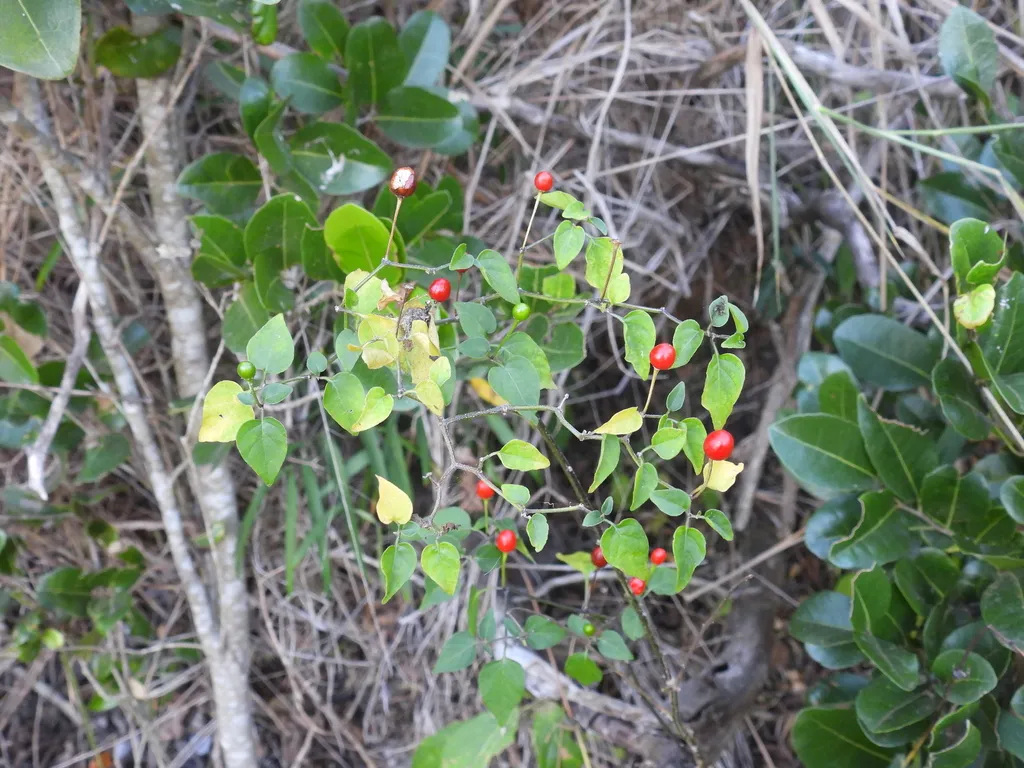



bell pepper

bell pepper · Fertilizing

bell pepper · Capsicum annuum
Also known as: bird pepper; bonnet pepper; cayenne pepper; cherry pepper; chilli; common capsicum; cone pepper; garden ginger; goat pepper; guinea pepper; long pepper; ornamental pepper; paprika; pimento; red cluster pepper; red pepper; spur pepper; sweet pepper

Pepper thrives in environments with plenty of sunlight and consistent moisture in well-draining soil. Special care points include regular watering to keep the soil moist but not waterlogged, and ensuring ample sunlight exposure for healthy growth. Fertilizing every couple of weeks during the growing season can support robust development and fruit production.

Watering: Keep soil evenly moistSunlight: Full sunIrritant if eaten, skin/eye irritant. Wear gloves and other protective equipment when handling]

How to Fertilize bell pepper?

To bolster pepper's growth and fruit yield, apply high phosphorus fertilizers at transplanting, shifting to balanced nutrition formulations during the vegetative phase. Fertilize bi-weekly with half-strength solutions, gradually increasing with plant maturity but never exceed manufacturer's recommendations to prevent root burn. Seasonal changes call for reduced winter applications; focus instead on pre-flowering. Mulching aids nutrient retention. Wear gloves and avoid leaf contact for safe application. Precise care rewards with robust pepper vitality.