



Planting and Growing bell pepper

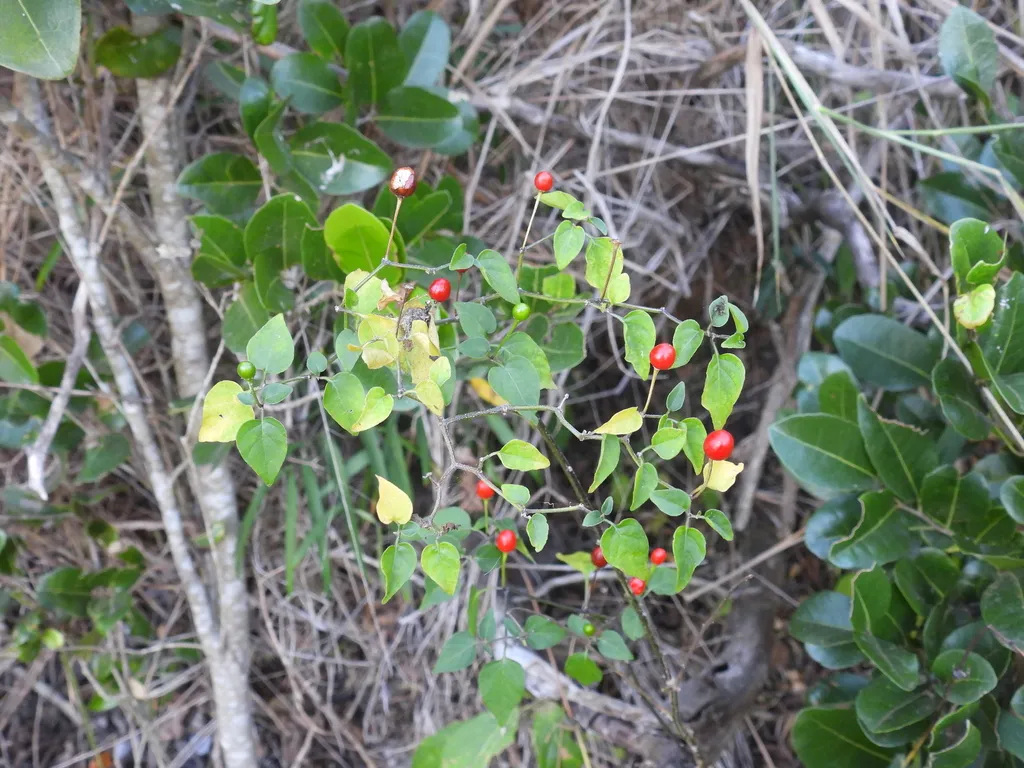
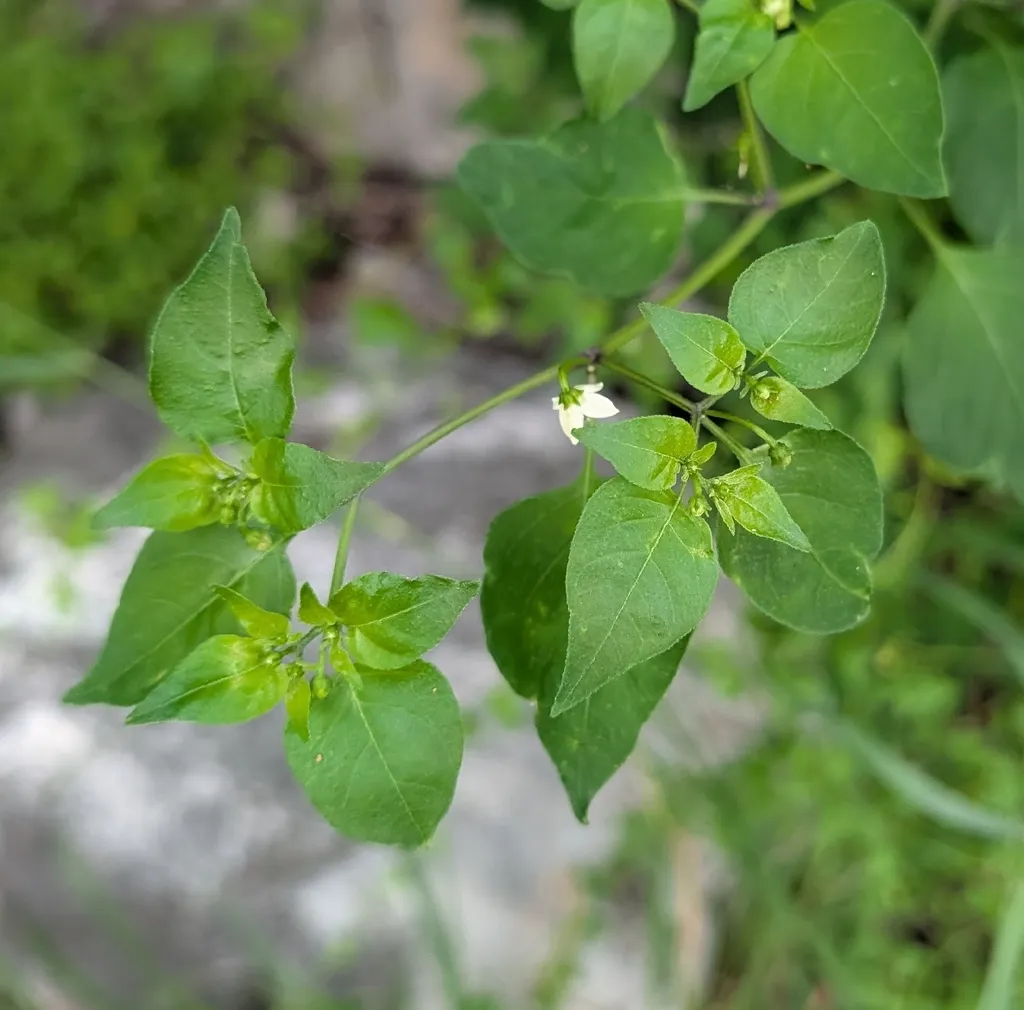
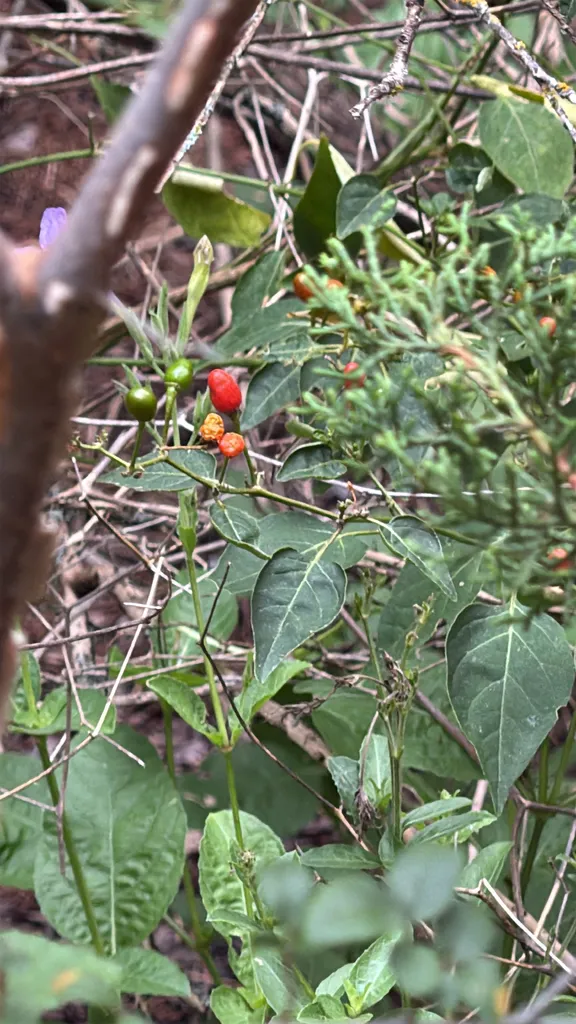
| Care difficulty | 2 / 5 |
|---|---|
| Watering schedule | Keep soil evenly moist |
| Sunlight requirements | Full sun |
| Ideal temperature | 18 – 28 °C |
| Soil type | Loam · Sand |
| Soil pH | Neutral · Acid |
| Soil moisture | Moist but well drained |
| Fertilizing | Every 2 weeks |
| Toxicity | Irritant if eaten, skin/eye irritant. Wear gloves and other protective equipment when handling] |
How to Water bell pepper?
Originating from warm and humid regions, pepper thrives in environments that mimic its native tropical climate. It has a moderate drought tolerance but favors consistent moisture. Watering should be adjusted to twice a week to maintain ideal soil hydration. Given its preference for humidity, pepper is better suited for indoor cultivation where moisture levels can be more easily regulated. To ensure optimal growth, particularly during the growing season, maintaining ambient humidity is as crucial as soil moisture for this species.
Learn more →What Are the Sunlight Requirements for bell pepper?
Pepper thrives in full sun conditions, demanding at least 6 to 8 hours of direct sunlight daily to optimally support its growth and fruit production. Although pepper demonstrates tolerance for partial sun, receiving less than the ideal sun exposure can lead to elongated stems, fewer fruits, and diminished vibrancy. It is crucial for growers to plant pepper in outdoor spaces where sunlight is abundant and unfiltered for most of the day. When grown under less than optimal light, pepper may exhibit adaptive traits such as leaf orientation changes to maximize light absorption. For successful cultivation, ensuring adequate light is paramount.
Learn more →What Is the Ideal Temperature Range for bell pepper?

Pepper enjoys a high-temperature habitat and is widely planted in temperate and tropical zones. The plant generally grows in environments with temperatures above 5 ℃. The optimum temperature for its growth is 15 to 25 ℃. When the temperature is lower than 15 ℃, its growth and development stop, and when the temperature is above 35 ℃, germination and pollination are affected, leading to fruit deformation or yield decrease. Generally speaking, bell peppers are more sensitive to temperature than chili peppers, so they are more easily affected by hot weather. Pepper has some drought tolerance, but there is a great difference among the varieties. In general, varieties with small fruits are more drought-tolerant than those with large fruits. The plant requires sufficient water in its soil, but should not be watered too much. Too much water will cause root rot. Its preferred air humidity for growth is 60-80%. If the air is excessively dry, it should be humidified by spraying water.
Learn more →What Soil Is Best for bell pepper?
Pepper requires a well-drained and permeable culture medium with sufficient nutrients and a soil pH of 6.2-7.2, or neutral to weakly acidic. The growth of its seeds and roots requires an air-permeable environment, so the soil should be turned over often to avoid hardening. If it is planted in a garden, plant it in a high place for good water drainage. The culture medium should be disinfected and sterilized before transplanting. Sunlight and chemical sterilization of the soil is generally employed. This means evenly paving the medium, covering it with a black film, and then exposing it to the sun for 15 days. After that, pesticides like Carbendazim are added at the instructed dosage, then mixed evenly to achieve the effect of sterilization.
- Soil type
- Loam · Sand
- Soil pH
- Neutral · Acid
What Are the Moisture Requirements for bell pepper?
Moist but well drained
Learn more →How to Fertilize bell pepper?

To bolster pepper's growth and fruit yield, apply high phosphorus fertilizers at transplanting, shifting to balanced nutrition formulations during the vegetative phase. Fertilize bi-weekly with half-strength solutions, gradually increasing with plant maturity but never exceed manufacturer's recommendations to prevent root burn. Seasonal changes call for reduced winter applications; focus instead on pre-flowering. Mulching aids nutrient retention. Wear gloves and avoid leaf contact for safe application. Precise care rewards with robust pepper vitality.
Learn more →How to Prune bell pepper?

Pepper, known for its vibrant fruit, benefits from pruning to enhance fruit production and airflow. Key techniques include removing the lowest leaves to prevent disease, pinching off early flower buds, and cutting back leggy growth. Pruning is best done in mid-spring, aligning with the active growth phase. This timing promotes strong, healthy branching. Regular pruning improves yield by directing energy towards fruiting rather than excessive foliage. Always use clean, sharp tools to avoid plant stress and infection.
Learn more →How to Propagate bell pepper?

A member of the Solanaceae family, pepper is cultivated for its fruit, which is eaten as a vegetable. Propagation mostly involves sowing seeds in well-draining soil. The key is to maintain a consistent moisture level for successful germination. Once seedlings emerge and develop true leaves, they must be transplanted carefully to avoid root disturbance. Gentle handling and providing ample warmth and light are crucial for robust growth. Fertilizing with a balanced nutrient mix supports healthy development during this stage.
Learn more →How to Transplant bell pepper?
Transplant pepper during the warmth of mid-spring, an ideal time for growth. Choose a sunny location with well-drained soil for best results. Remember to space the plants adequately and water immediately after transplanting.
Learn more →How to Care for bell pepper in Winter?

Information to be completed
Learn more →How to Plant bell pepper?
Indoors-potted: Ensure your pepper has room to grow; being root-bound can limit fruit production. Outdoors-potted: When potted outside, rotate your pepper regularly for even growth and robust health. Outdoors-in the ground: In-ground pepper thrive with companion planting – try marigolds or basil to encourage beneficial insects.
Learn more →How to Repot bell pepper?
Needs excellent drainage in pots.
Learn more →How to Harvest bell pepper?

After fruiting, pepper can be harvested at any time. The fruits, whether red or green, can be eaten and used as a seasoning. The plant's longest fruit period is 120 days. Earlier fruit should be harvested promptly, which prevents the plant from supplying nutrients to the earlier fruits only and affecting the growth of later fruits. Pepper’s branches are very fragile, so be careful when harvesting its fruits to avoid accidentally breaking branches. Once found, abnormal and poor-quality fruits should be removed promptly to ensure the growth of other fruits.
Learn more →Common Pests & Diseases

Diseases
May be susceptible to grey moulds
Pests
May be susceptible to glasshouse red spider mite, glasshouse whitefly and aphids
Explore the plant health library →The Toxicity of bell pepper
Irritant if eaten, skin/eye irritant. Wear gloves and other protective equipment when handling]