
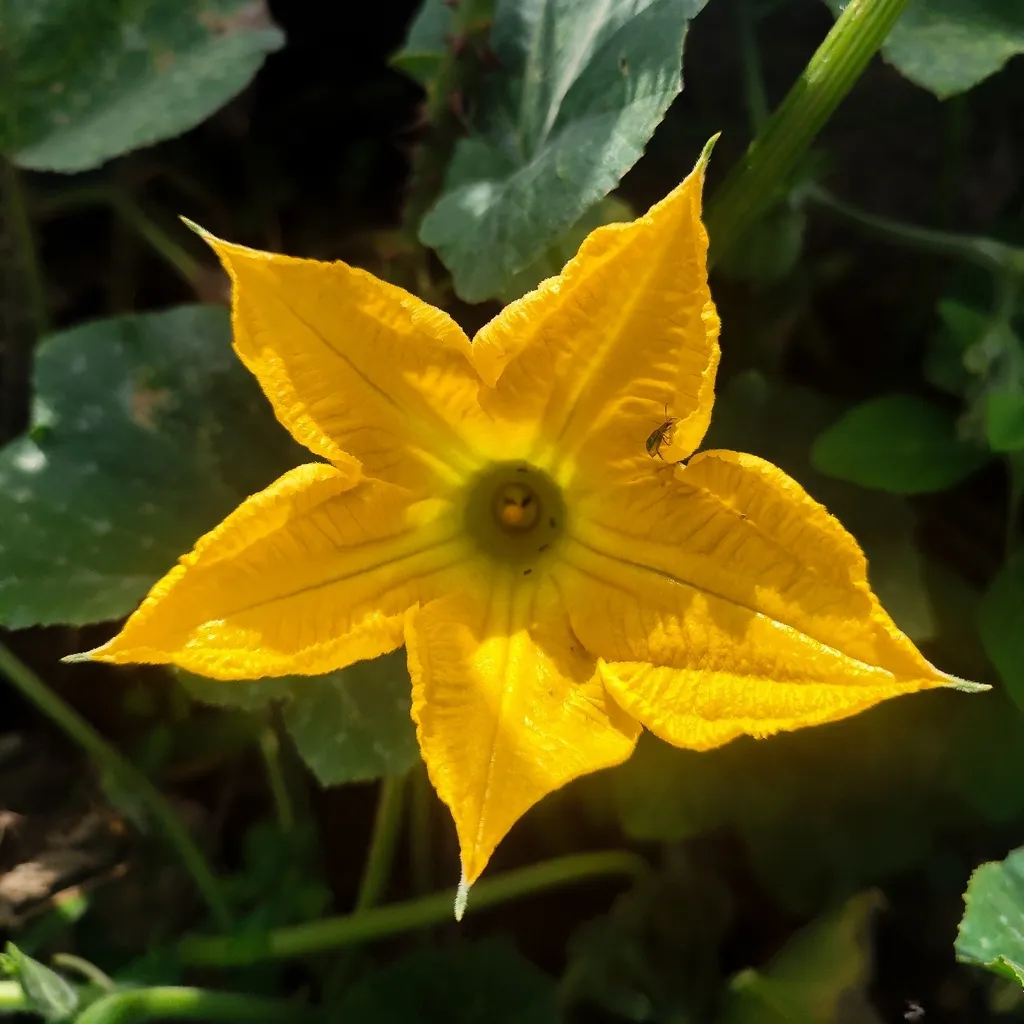



autumn pumpkin

autumn pumpkin · Harvest

autumn pumpkin · Cucurbita pepo
Also known as: autumn squash; common gourd; courgette; field pumpkin; marrow; melon pumpkin; pomion; pumpkin; summer pumpkin; summer squash; vegetable spaghetti; winter squash; yellow-flowered gourd; zucchini; vegetable marrow

Field pumpkin requires a warm growing season and ample space to sprawl or climb, as it tends to spread out extensively. With its preference for well-drained, fertile soil and full sun exposure, field pumpkin is relatively easy to grow. Special care points include regular watering to maintain moist soil and vigilance against pests like squash borers. Mulching helps retain moisture and deters weeds.

Watering: Keep moisture even through flowering and fruiting, avoiding hard dry swingsSunlight: Full sunIf crop is bitter, don't eat. Wear gloves and other protective equipment when handling

How to Harvest autumn pumpkin?

The plot should be checked every day as the fruits grow very quickly. Summer squashed mature rapidly and can be harvested in as little as 50 days. Winter squashed can take over 120 days to fully ripen. Plants will continue to produce until the first frost if all fruits are picked prior to maturity. Harvest winter squash when mature, but prior to the first fall frost. For Halloween pumpkins, look for when the rind is hard and cannot be poked by finger-nail and fruit is orange. Pumpkins or spaghetti squashes can last several months. Summer (immature) squash is delicate and needs to be handled with care and placed into containers lined with paper or plastic. If kept at temperatures of 24 to 32 ℃, they can be used within 5–6 days or 20–25 days at 10 ℃.

PlantCare

Your Ultimate Guide to Plants

Identify, grow and nurture the better way!

PlantCare plant identification and care illustration
PlantCare

Botanist in your pocket

Scan to download PlantCareDownload on the App Store

Scan the QR code with your phone camera to download the app