
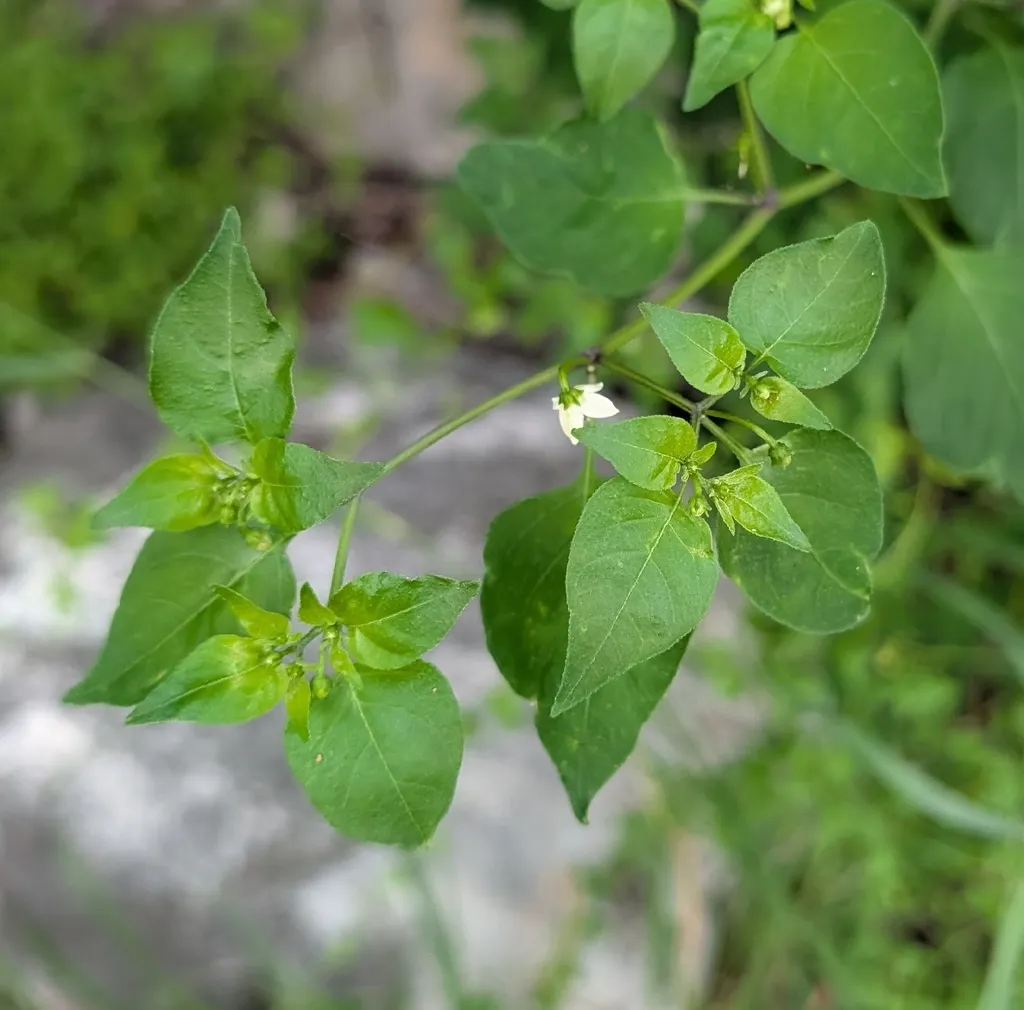



bell pepper

bell pepper · Harvest

bell pepper · Capsicum annuum
Also known as: bird pepper; bonnet pepper; cayenne pepper; cherry pepper; chilli; common capsicum; cone pepper; garden ginger; goat pepper; guinea pepper; long pepper; ornamental pepper; paprika; pimento; red cluster pepper; red pepper; spur pepper; sweet pepper

Pepper thrives in environments with plenty of sunlight and consistent moisture in well-draining soil. Special care points include regular watering to keep the soil moist but not waterlogged, and ensuring ample sunlight exposure for healthy growth. Fertilizing every couple of weeks during the growing season can support robust development and fruit production.

Watering: Keep soil evenly moistSunlight: Full sunIrritant if eaten, skin/eye irritant. Wear gloves and other protective equipment when handling]

How to Harvest bell pepper?

After fruiting, pepper can be harvested at any time. The fruits, whether red or green, can be eaten and used as a seasoning. The plant's longest fruit period is 120 days. Earlier fruit should be harvested promptly, which prevents the plant from supplying nutrients to the earlier fruits only and affecting the growth of later fruits. Pepper’s branches are very fragile, so be careful when harvesting its fruits to avoid accidentally breaking branches. Once found, abnormal and poor-quality fruits should be removed promptly to ensure the growth of other fruits.

PlantCare

Your Ultimate Guide to Plants

Identify, grow and nurture the better way!

PlantCare plant identification and care illustration
PlantCare

Botanist in your pocket

Scan to download PlantCareDownload on the App Store

Scan the QR code with your phone camera to download the app