
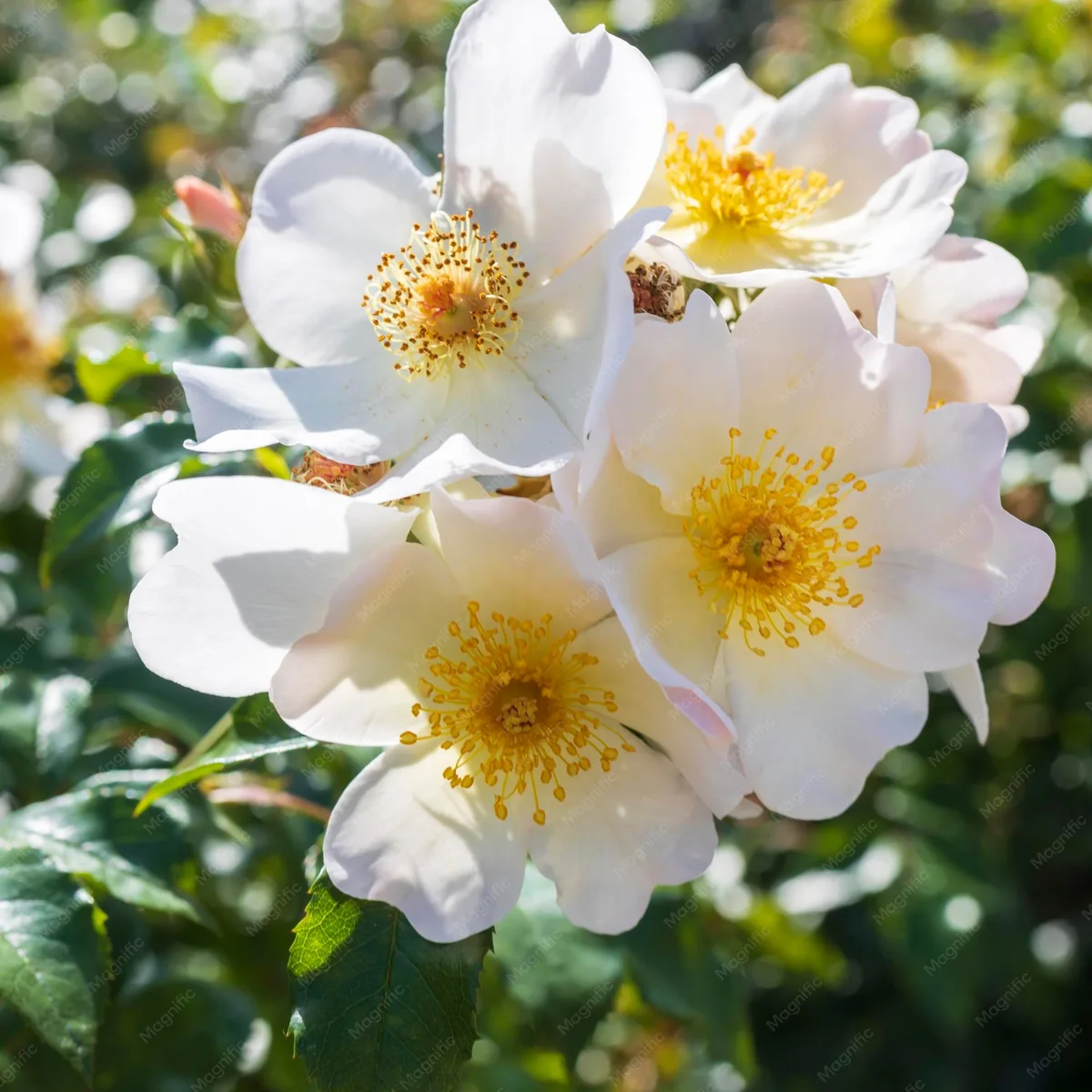



musk rose

musk rose · Pests & diseases

musk rose · Rosa moschata
Also known as: musk-scented rose

Grows best in fertile, humus-rich, moist but well-drained soil in a sunny, open position, though will tolerate some shade. Mulch in late winter and, to improve flowering, apply a balanced fertiliser in late winter or early spring. See rose cultivation

Watering: Deep watering, allow slight surface drying between wateringsSunlight: Full sun · Partial shadeFruit are ornamental - not to be eaten. Wear gloves and other protective equipment when handling

Common Pests & Diseases

Diseases

May be susceptible to rose black spot, rose rust, replant disease, rose dieback, and rose powdery mildews. May also be susceptible to disorders rose blindness and flower balling and sometimes honey fungus

Pests

May be susceptible to aphids, including rose aphid, the most common rose pest. Can also be affected by rose leafhopper, glasshouse red spider mite, scale insects, caterpillars, large rose sawfly, rose leaf-rolling sawfly and leaf-cutter bees. Deer and rabbits can also cause damage

Explore the plant health library →
PlantCare

Your Ultimate Guide to Plants

Identify, grow and nurture the better way!

PlantCare plant identification and care illustration
PlantCare

Botanist in your pocket

Scan to download PlantCareDownload on the App Store

Scan the QR code with your phone camera to download the app