
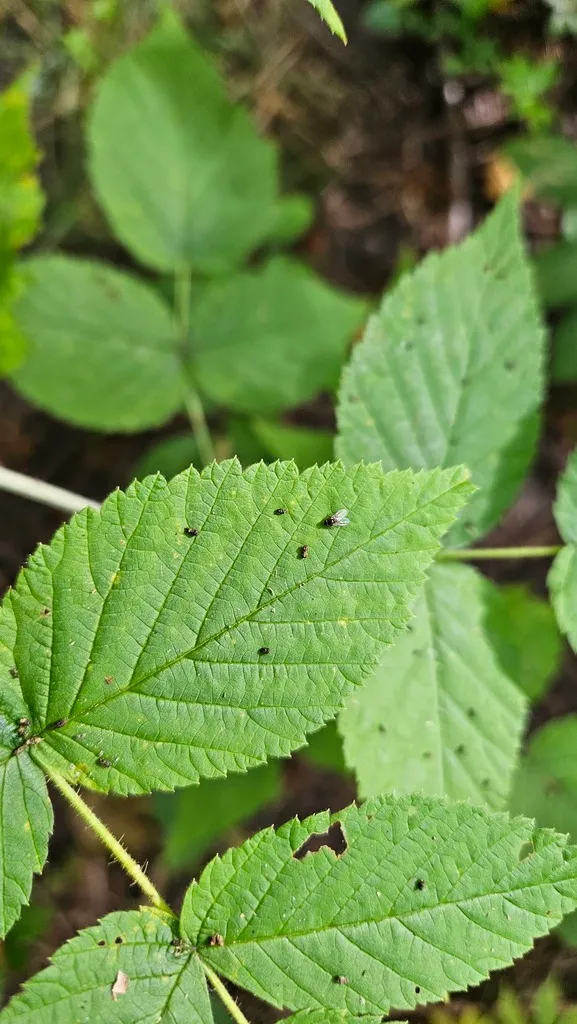



common raspberry

common raspberry · Propagation

common raspberry · Rubus idaeus
Also known as: European raspberry; frambois; framboise; framboys; garden raspberry; hindberry; hineberry; red raspberry; wild raspberry

Red raspberry thrive in well-drained, fertile soils with a pH between 5.5 and 6.5, and require full sun exposure for optimal fruit production. Special care points include regular pruning to promote healthy growth and fruit yield, and providing support structures like trellises for their canes. Additionally, mulching helps to retain soil moisture and fight off weeds. These practices contribute to red raspberry's reputation as an easy to care for plant given their straightforward maintenance needs.

Watering: Water deeply and regularly, especially during fruit developmentSunlight: Full sunInformation to be completed

How to Propagate common raspberry?

Starting from cuttings is a favored technique for red raspberry propagation, offering an efficient means to clone selected varieties. For healthy development, cuttings should include several leaf buds and be taken from vigorous canes. Rooting hormone can enhance success rates, while a well-draining growing medium provides the necessary environment for root establishment. Consistent moisture and warmth under dappled light conditions aid in stimulating root growth, which is crucial for red raspberry's successful propagation.