
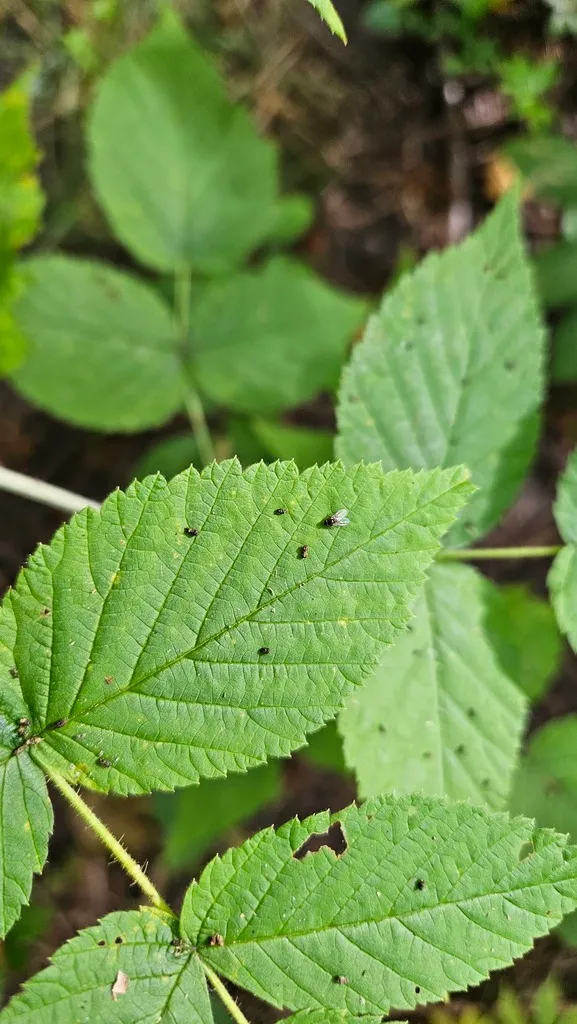



common raspberry

common raspberry · Pruning

common raspberry · Rubus idaeus
Also known as: European raspberry; frambois; framboise; framboys; garden raspberry; hindberry; hineberry; red raspberry; wild raspberry

Red raspberry thrive in well-drained, fertile soils with a pH between 5.5 and 6.5, and require full sun exposure for optimal fruit production. Special care points include regular pruning to promote healthy growth and fruit yield, and providing support structures like trellises for their canes. Additionally, mulching helps to retain soil moisture and fight off weeds. These practices contribute to red raspberry's reputation as an easy to care for plant given their straightforward maintenance needs.

Watering: Water deeply and regularly, especially during fruit developmentSunlight: Full sunInformation to be completed

How to Prune common raspberry?

Red raspberry features thorny stems and produces sweet, edible berries. Prune in early winter to late winter to remove old, unproductive canes and thin out new growth. Cut back weak and diseased canes to promote sunlight penetration and air circulation. This encourages healthier fruit production and helps prevent disease. Pruning also stimulates vigorous growth, ensuring a plentiful harvest. Use sharp, clean tools to make clean cuts just above healthy buds.