
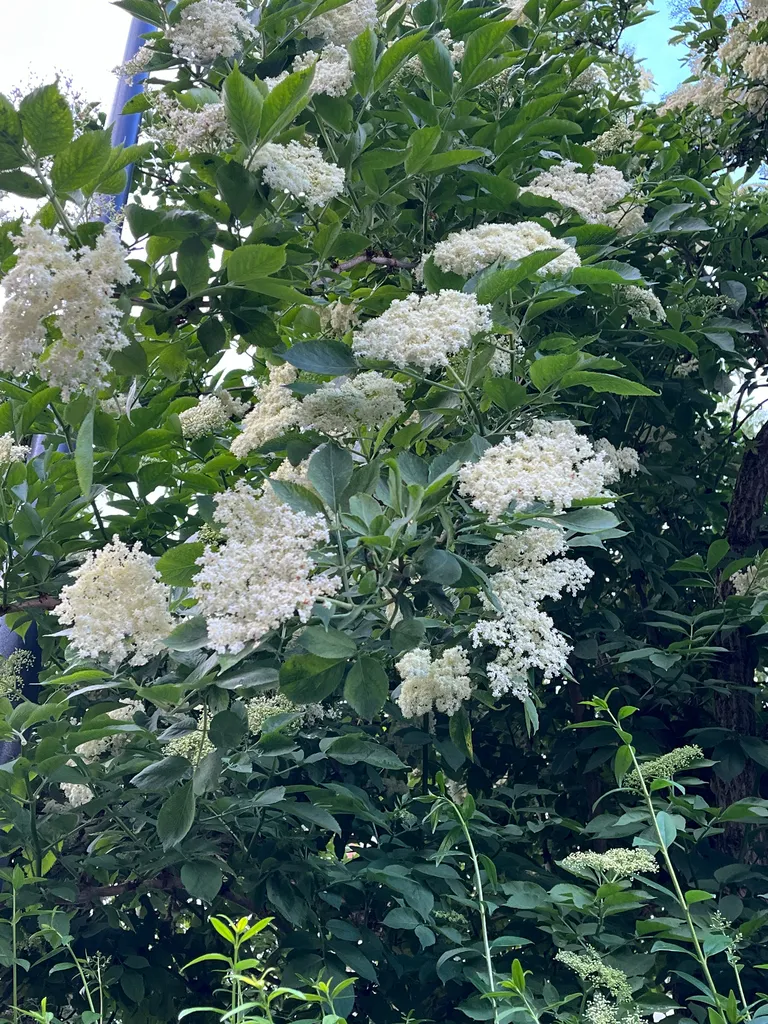



common elder

common elder · Pruning

common elder · Sambucus nigra
Also known as: acte; arn tree; black elder; black elderberry; boon tree; boor tree; bore tree; bour tree; bur tree; elderberry; European elder; European elderberry; pipe tree

Easy to grow in moderately fertile, humus-rich, moist but well-drained soils and also thrives on extremely chalky sites

Watering: Deep watering at intervals, let soil partially dry before rehydrating fullySunlight: Full sun · Partial shadeHarmful if eaten, fruit/flowers edible if cooked. Wear gloves and other protective equipment when handling]

How to Prune common elder?

Little pruning is needed. Remove diseased, damaged, crowded or crossing shoots and unwanted growth. Timing depends on the plant: generally late winter or early spring; plants prone to bleeding and deciduous magnolias need different timing, and deciduous azaleas and lilacs are pruned after flowering.

PlantCare

Your Ultimate Guide to Plants

Identify, grow and nurture the better way!

PlantCare plant identification and care illustration
PlantCare

Botanist in your pocket

Scan to download PlantCareDownload on the App Store

Scan the QR code with your phone camera to download the app