
common elder
Also known as: acte; arn tree; black elder; black elderberry; boon tree; boor tree; bore tree; bour tree; bur tree; elderberry; European elder; European elderberry; pipe tree
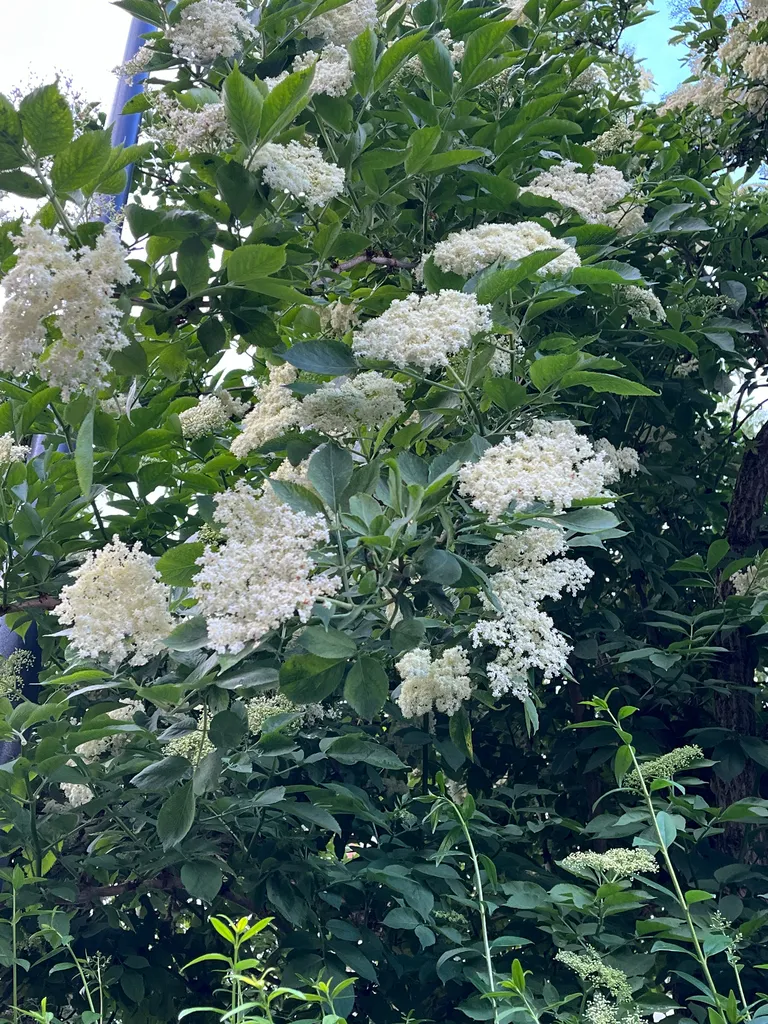
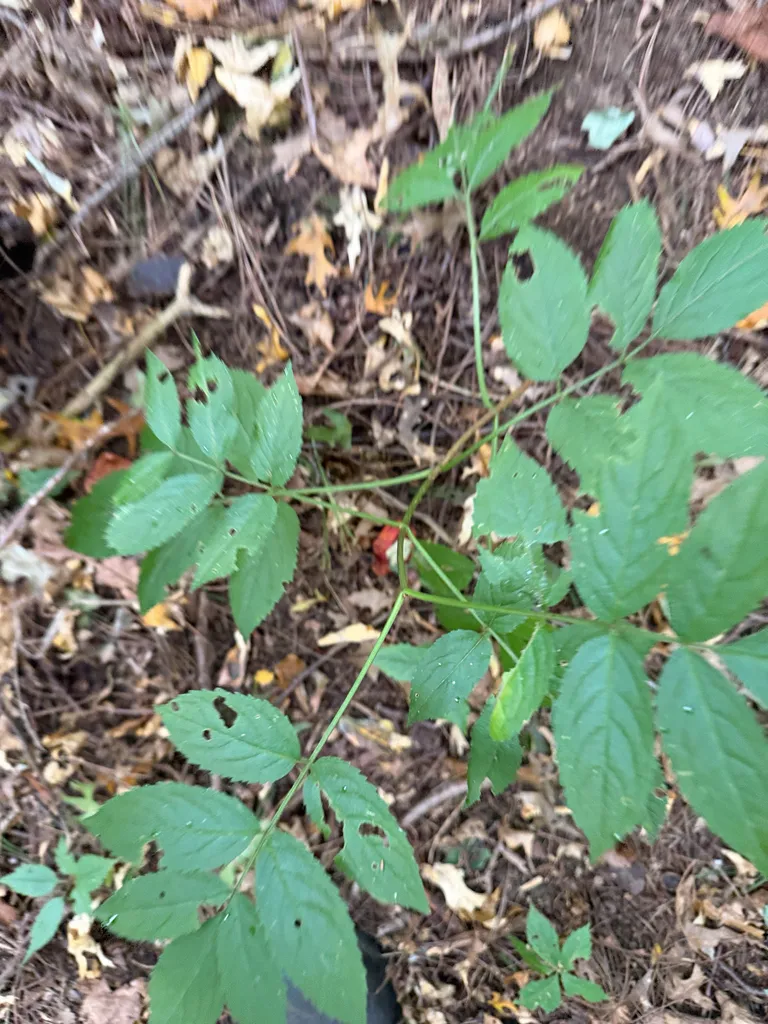
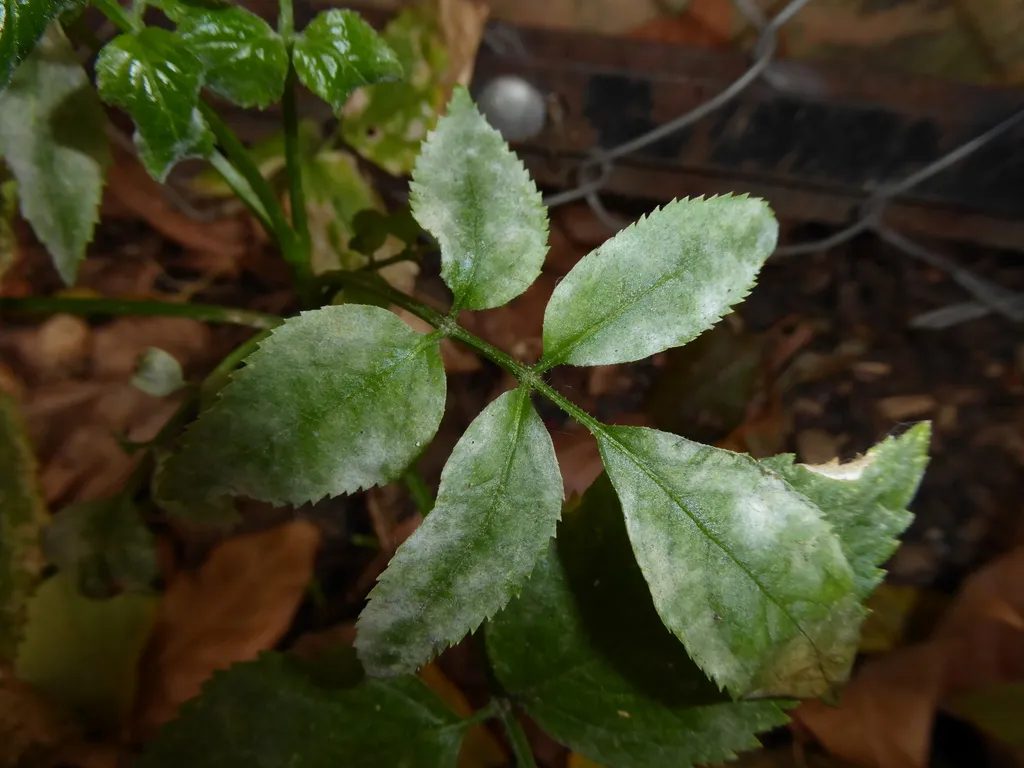
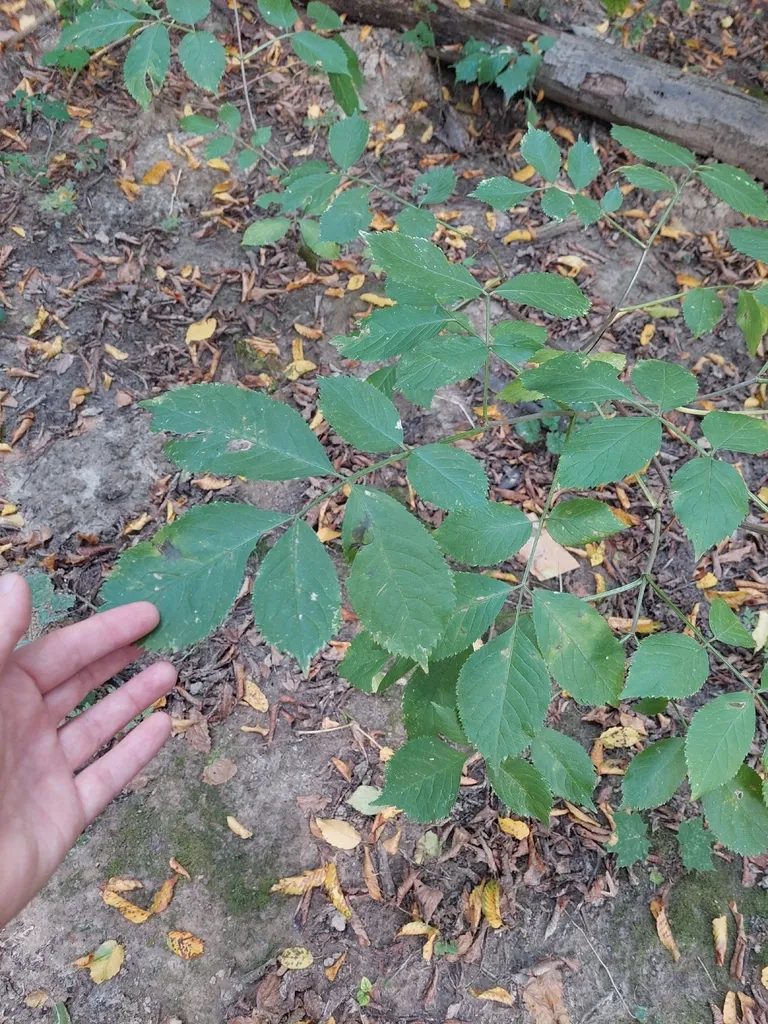
S. nigra is bushy large shrub or small tree to 6m, with pinnate leaves turning pale yellow in autumn, flat sprays of fragrant cream flowers in early summer followed by small black berries
Scientific classification
- Species
- common elder (Sambucus nigra)
- Genus
- Sambucus
- Family
- Adoxaceae
- Order
- Dipsacales
- Class
- Magnoliopsida
- Phylum
- Tracheophyta
- Harmful if eaten, fruit/flowers edible if cooked. Wear gloves and other protective equipment when handling]
- Toxicity
- Shrubs
- Plant type
- 4-8 metres
- Height
- 2.5-4 metres
- Spread
- Deciduous
- Foliage
- Bushy
- Habit
- Autumn · Spring · Summer
- Season of interest
- Full sun · Partial shade
- Sunlight
- Information to be completed
- Ideal temperature









common elder pictures
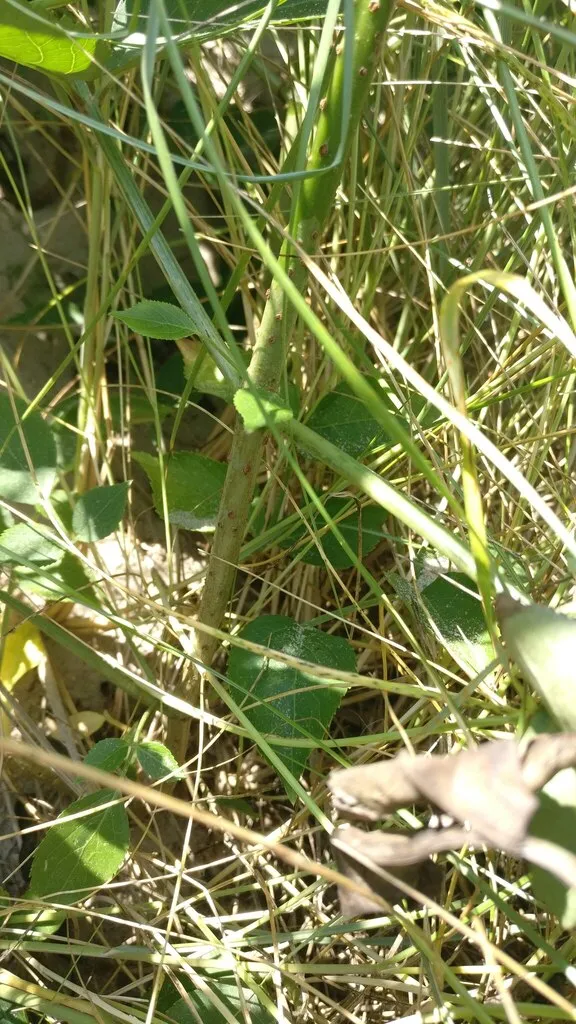
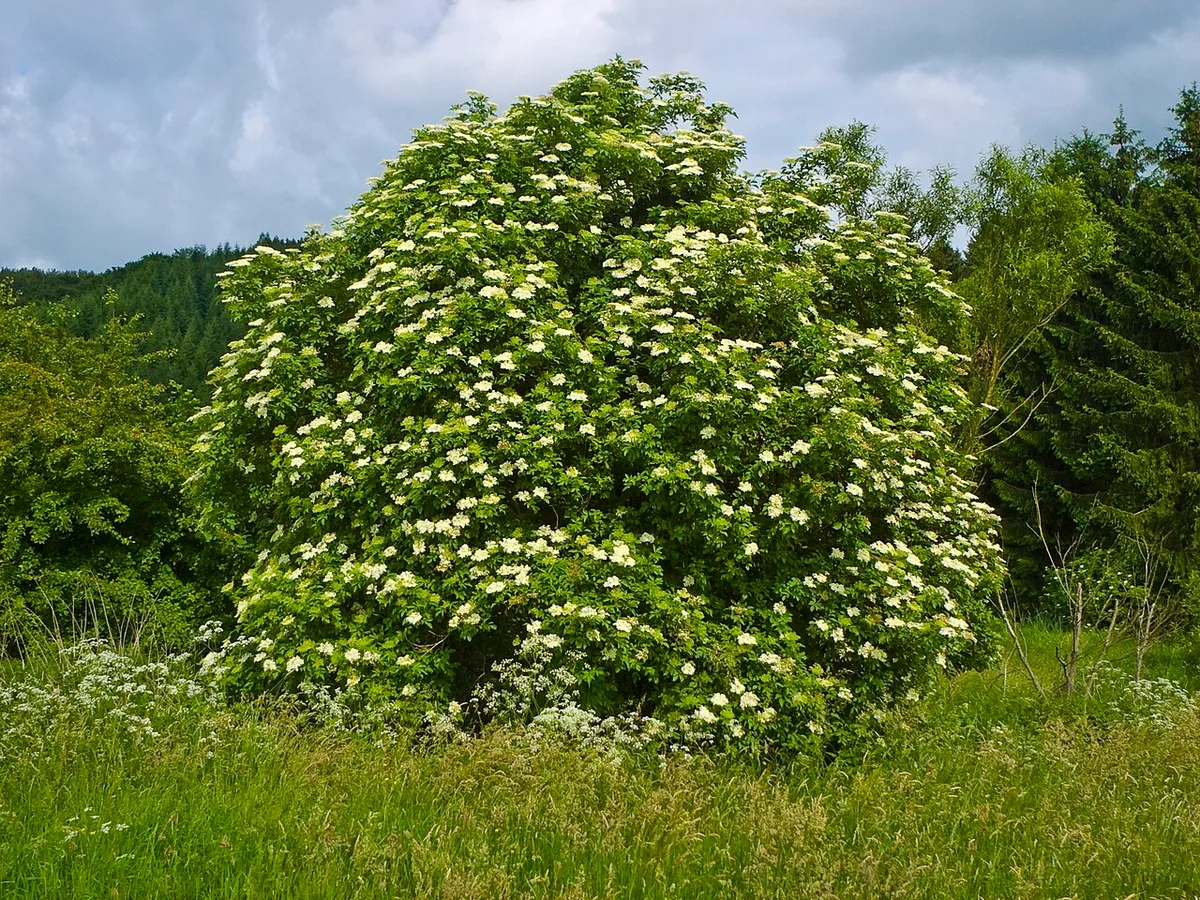
Distribution of common elder
Distribution map
Europe Northern Africa Southwestern Asia
Toxicity
Harmful if eaten, fruit/flowers edible if cooked. Wear gloves and other protective equipment when handling]
common elder care guide
- Deep watering at intervals, let soil partially dry before rehydrating fully
- Watering
- Full sun · Partial shade
- Sunlight

Watering
Deep watering at intervals, let soil partially dry before rehydrating fully
Fertilizing
 Fertilizing
General shrub slow-release fertilizer fed once annually at early spring time
Pruning
 Pruning
Little pruning is needed. Remove diseased, damaged, crowded or crossing shoots and unwanted growth. Timing depends on the plant: generally late winter or early spring; plants prone to bleeding and deciduous magnolias need different timing, and deciduous azaleas and lilacs are pruned after flowering.
Propagation
 Propagation
Propagate by softwood or hardwood cuttings
Growing
 Growing
Easy to grow in moderately fertile, humus-rich, moist but well-drained soils and also thrives on extremely chalky sites
Common pests and diseases
Diseases
May be susceptible to verticillium wilt and honey fungus
Pests
May be susceptible to aphids and glasshouse red spider mite
Explore the plant health library →




