
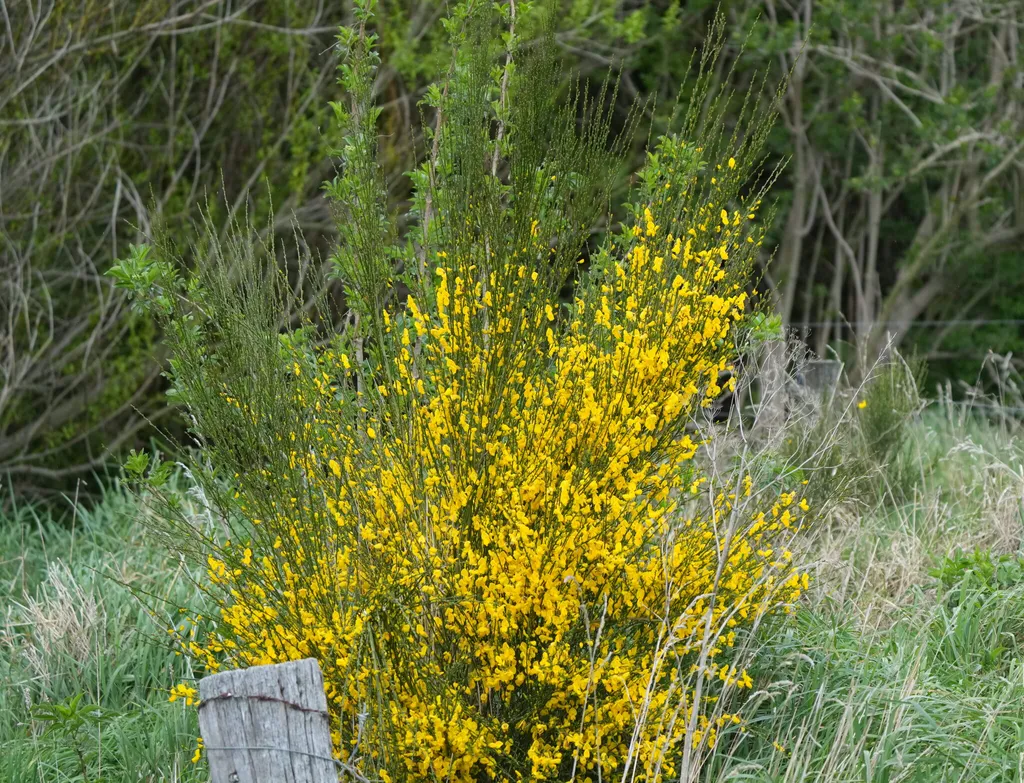



common broom

common broom · Pruning

common broom · Cytisus scoparius
Also known as: beesom; besom; green broom; Scotch broom; Scots broom

Scotch broom thrives in well-drained soils and full sunlight. It's drought-tolerant once established, requiring minimal supplemental watering. Pruning is essential after flowering to maintain shape and prevent overgrowth. Avoid over-fertilization, as scotch broom favors nutrient-poor, sandy soils.

Watering: Moderate regular watering, allowing brief slight drying between soakingsSunlight: Full sunHarmful if eaten. Wear gloves and other protective equipment when handling

How to Prune common broom?

Scotch broom is an invasive shrub known for its bright yellow flowers and rapid spread. Key pruning techniques include cutting back old or dead wood and shaping the plant to maintain form. The optimal time for pruning is later spring, just after flowering, to encourage healthier regrowth and control its spread. Regular pruning prevents it from becoming leggy and helps manage invasive tendencies, promoting stronger, more compact growth.