
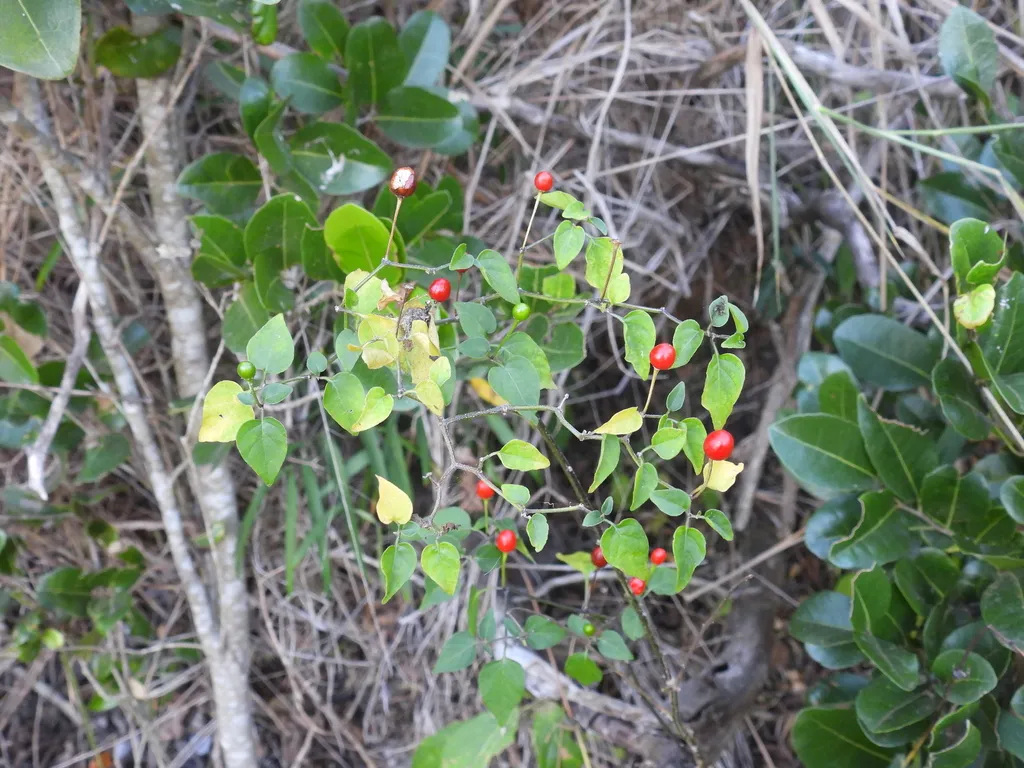



bell pepper

bell pepper · Pruning

bell pepper · Capsicum annuum
Also known as: bird pepper; bonnet pepper; cayenne pepper; cherry pepper; chilli; common capsicum; cone pepper; garden ginger; goat pepper; guinea pepper; long pepper; ornamental pepper; paprika; pimento; red cluster pepper; red pepper; spur pepper; sweet pepper

Pepper thrives in environments with plenty of sunlight and consistent moisture in well-draining soil. Special care points include regular watering to keep the soil moist but not waterlogged, and ensuring ample sunlight exposure for healthy growth. Fertilizing every couple of weeks during the growing season can support robust development and fruit production.

Watering: Keep soil evenly moistSunlight: Full sunIrritant if eaten, skin/eye irritant. Wear gloves and other protective equipment when handling]

How to Prune bell pepper?

Pepper, known for its vibrant fruit, benefits from pruning to enhance fruit production and airflow. Key techniques include removing the lowest leaves to prevent disease, pinching off early flower buds, and cutting back leggy growth. Pruning is best done in mid-spring, aligning with the active growth phase. This timing promotes strong, healthy branching. Regular pruning improves yield by directing energy towards fruiting rather than excessive foliage. Always use clean, sharp tools to avoid plant stress and infection.