
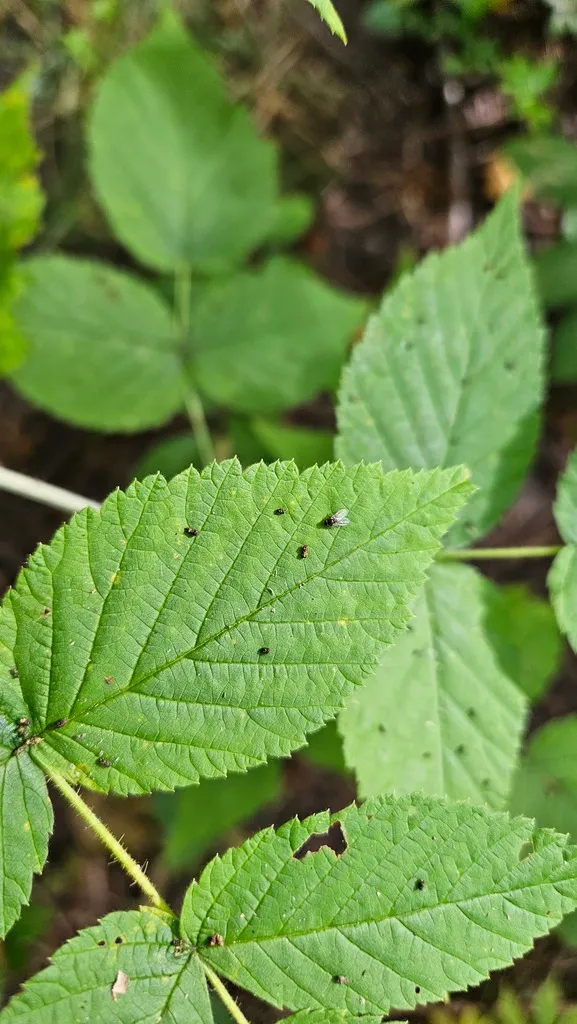



common raspberry

common raspberry · Repotting

common raspberry · Rubus idaeus
Also known as: European raspberry; frambois; framboise; framboys; garden raspberry; hindberry; hineberry; red raspberry; wild raspberry

Red raspberry thrive in well-drained, fertile soils with a pH between 5.5 and 6.5, and require full sun exposure for optimal fruit production. Special care points include regular pruning to promote healthy growth and fruit yield, and providing support structures like trellises for their canes. Additionally, mulching helps to retain soil moisture and fight off weeds. These practices contribute to red raspberry's reputation as an easy to care for plant given their straightforward maintenance needs.

Watering: Water deeply and regularly, especially during fruit developmentSunlight: Full sunInformation to be completed

How to Repot common raspberry?

Repot red raspberry, a bushy fruit bearer, in early spring every 2-3 years to support its vigorous growth cycle. Choose a sizeable pot to accommodate its robust root system, ensuring ample space for expansion. Post-repotting, provide red raspberry with steady moisture and well-draining soil. This care cultivates a strong foundation for bountiful harvests, enhancing the unique joy of cultivating your own sweet, ruby-red fruits.