
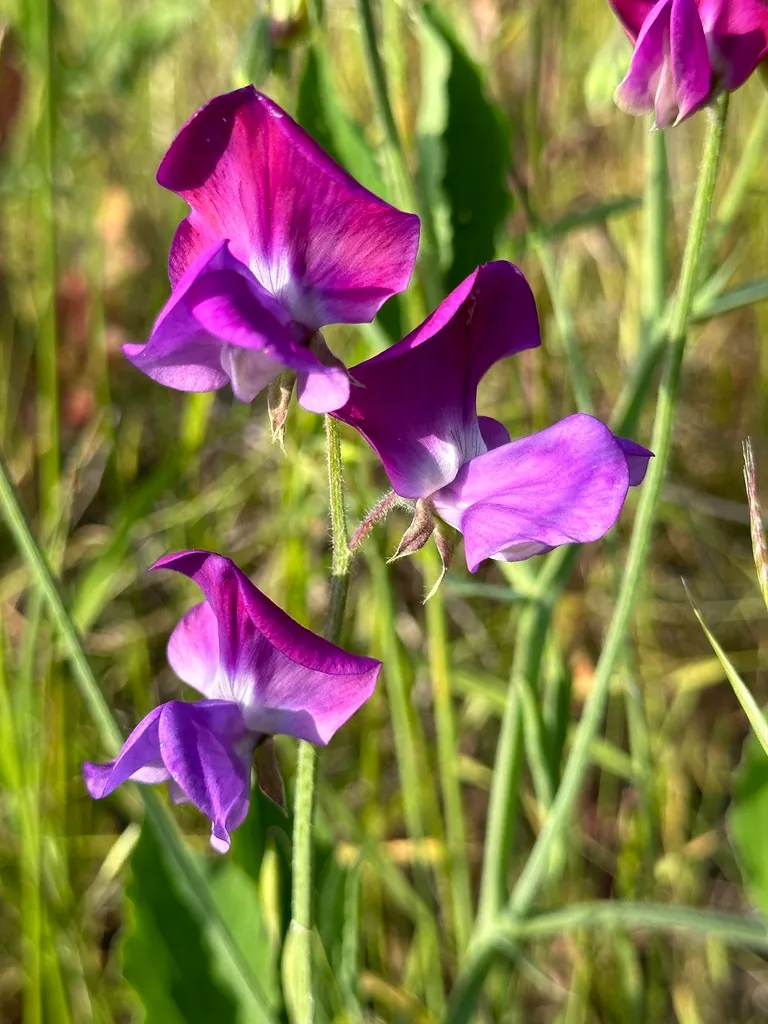



sweet pea

sweet pea · Soil

sweet pea · Lathyrus odoratus
Also known as: vetchling

Sweet pea are known for being relatively easy to grow, with a few special care points to ensure healthy blooming. They require a position with full sun to partial shade and well-drained, fertile soil. A critical care aspect is providing adequate support, such as trellises or netting, for their climbing habit. Additionally, regular deadheading promotes continuous flowering throughout the season. Watering should be consistent, but overwatering must be avoided to prevent root rot.

Watering: Water regularly in growth, keeping roots cool and evenly moistSunlight: Full sun · Partial shadePods and seeds are not edible. Wear gloves and other protective equipment when handling

What Soil Is Best for sweet pea?

Sweet pea thrives in well-draining soil to avoid water-logging. Mix garden soil with sand and compost for aeration and nutrients. Optionally, use perlite or gravel at the bottom for better drainage. Fertilize monthly with a balanced liquid fertilizer, especially during growing seasons. Soil should be kept moist but not soggy. For lush growth, consider adding bone meal or organic matter at planting time.

Soil type
Clay · Loam · Sand
Soil pH
Acid · Alkaline · Neutral
PlantCare

Your Ultimate Guide to Plants

Identify, grow and nurture the better way!

PlantCare plant identification and care illustration
PlantCare

Botanist in your pocket

Scan to download PlantCareDownload on the App Store

Scan the QR code with your phone camera to download the app