
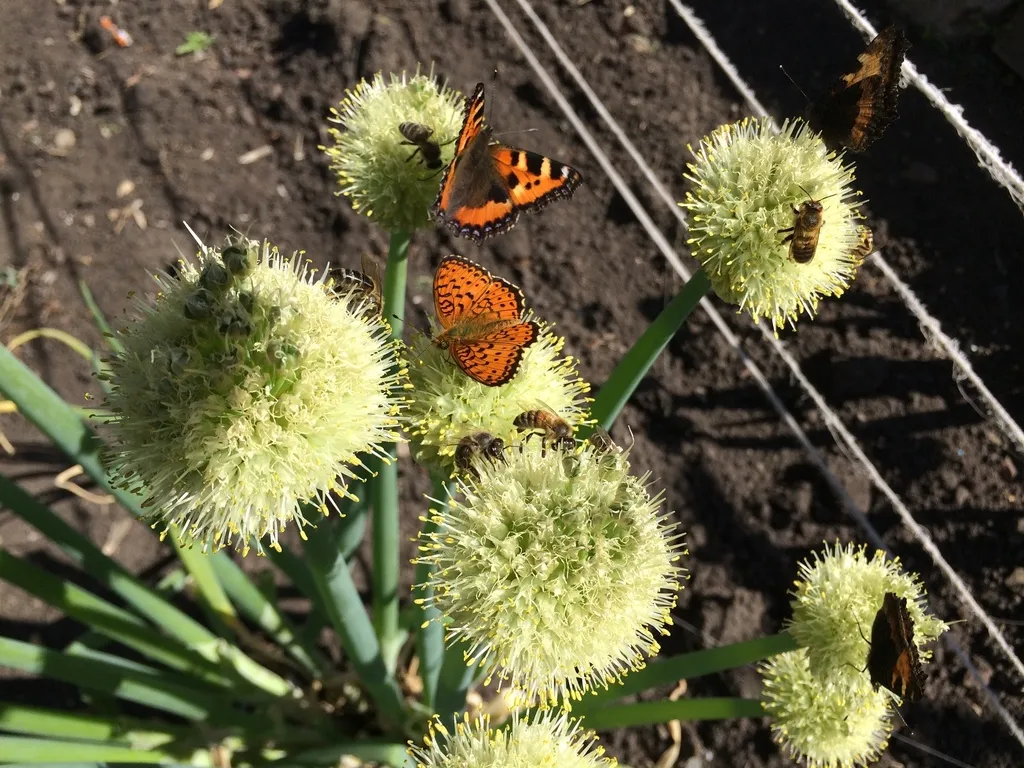



Welsh onion

Welsh onion · Soil

Welsh onion · Allium fistulosum
Also known as: ciboul; Japanese bunching onion; Japanese leek; onion-leek; stone leek; Welsh leek

Welsh onion is generally considered effortless to grow, making it accessible to a broad range of gardeners. The plant thrives in full sun but can tolerate partial shade, and it requires well-draining soil that's kept consistently moist. Special care should be given to avoid overwatering, as welsh onion is prone to rot in waterlogged conditions. Regular harvesting can also encourage thicker growth of the plant.

Watering: Consistently damp topsoil, water frequently during active leaf growth stageSunlight: Full sunInformation to be completed

What Soil Is Best for Welsh onion?

Native to Asia, welsh onion typically grows in well-drained, fertile soils. Thriving in pH ranges of 6.0-7.5, welsh onion optimally absorbs nutrients in slightly acidic to slightly alkaline conditions. Naturally found in sandy loam with organic matter, welsh onion prefers a mix of garden soil (60%), compost (20%), and sand (20%) for drainage. Ensure adequate drainage by incorporating perlite or coarse sand. Add balanced fertilizers sparingly during the growing season. Proper soil conditions promote robust growth and prevent issues related to water-logging or nutrient deficiencies.

Soil type
Chalk · Loam · Sand
Soil pH
Acid · Alkaline · Neutral
PlantCare

Your Ultimate Guide to Plants

Identify, grow and nurture the better way!

PlantCare plant identification and care illustration
PlantCare

Botanist in your pocket

Scan to download PlantCareDownload on the App Store

Scan the QR code with your phone camera to download the app