
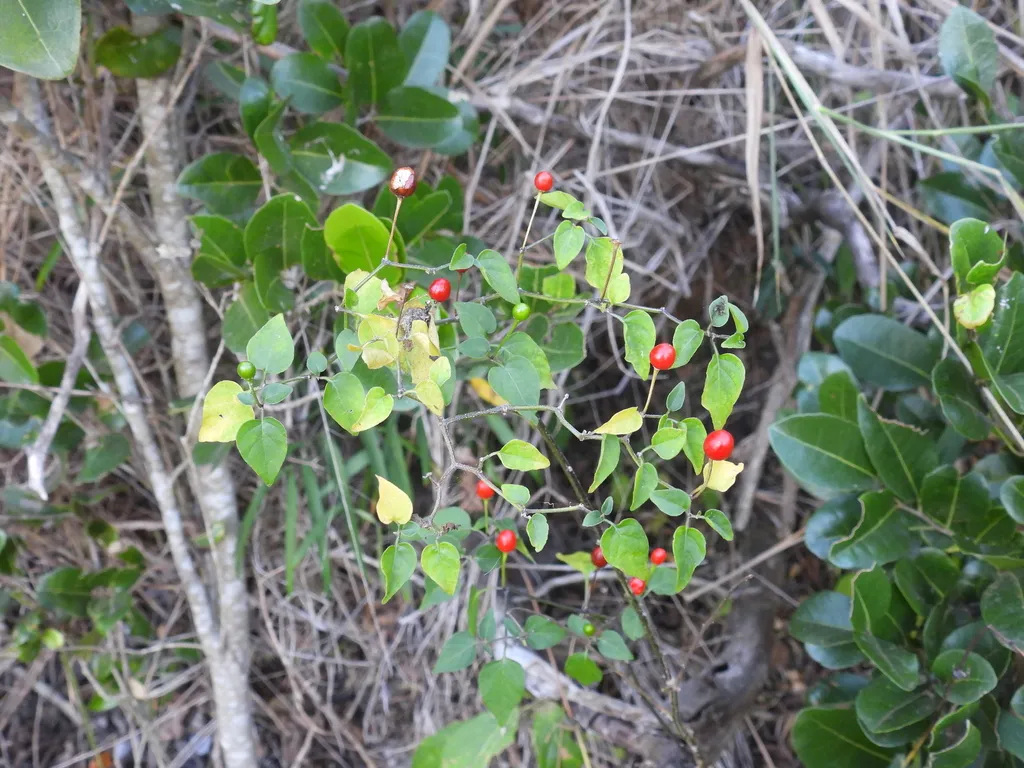



What Soil Is Best for bell pepper?

Pepper requires a well-drained and permeable culture medium with sufficient nutrients and a soil pH of 6.2-7.2, or neutral to weakly acidic. The growth of its seeds and roots requires an air-permeable environment, so the soil should be turned over often to avoid hardening. If it is planted in a garden, plant it in a high place for good water drainage. The culture medium should be disinfected and sterilized before transplanting. Sunlight and chemical sterilization of the soil is generally employed. This means evenly paving the medium, covering it with a black film, and then exposing it to the sun for 15 days. After that, pesticides like Carbendazim are added at the instructed dosage, then mixed evenly to achieve the effect of sterilization.
- Soil type
- Loam · Sand
- Soil pH
- Neutral · Acid