
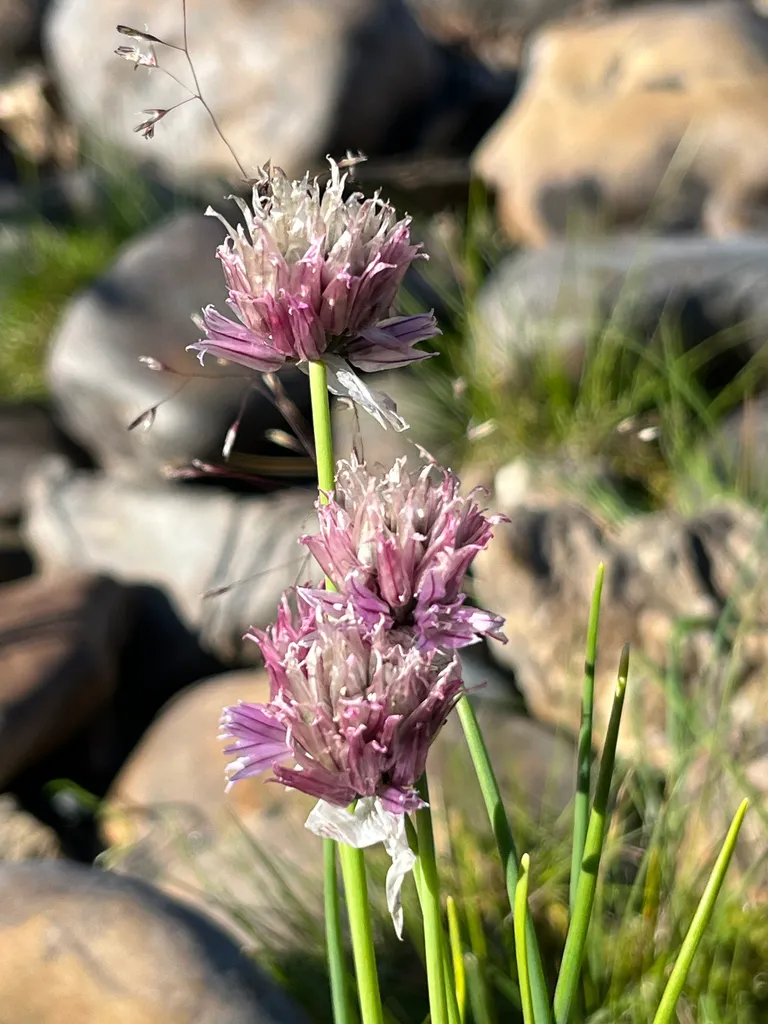



chives

chives · Soil

chives · Allium schoenoprasum
Also known as: cive; onion grass; schnittlaugh; seithes; seives

Chives thrive in full sun to partial shade conditions and require well-draining soil. To ensure optimal growth, regular watering is necessary, but care must be taken to avoid waterlogging which can lead to root rot. Chives respond well to frequent harvesting and light fertilization, which encourages fuller, bushier growth and prevents the plant from becoming too woody.

Watering: Moist soil during active growth, then reduce watering after foliage yellowsSunlight: Full sun · Partial shadeInformation to be completed

What Soil Is Best for chives?

For chives, ensure well-drained soil with good aeration. Use a soil mix of garden soil, compost, and sand or perlite in equal parts to prevent water-logging. Enhance growth by adding a balanced, slow-release fertilizer at planting and mid-season. Regular organic matter additions, like compost, can further support healthy growth.

Soil type
Chalk · Clay · Loam · Sand
Soil pH
Acid · Alkaline · Neutral
PlantCare

Your Ultimate Guide to Plants

Identify, grow and nurture the better way!

PlantCare plant identification and care illustration
PlantCare

Botanist in your pocket

Scan to download PlantCareDownload on the App Store

Scan the QR code with your phone camera to download the app