
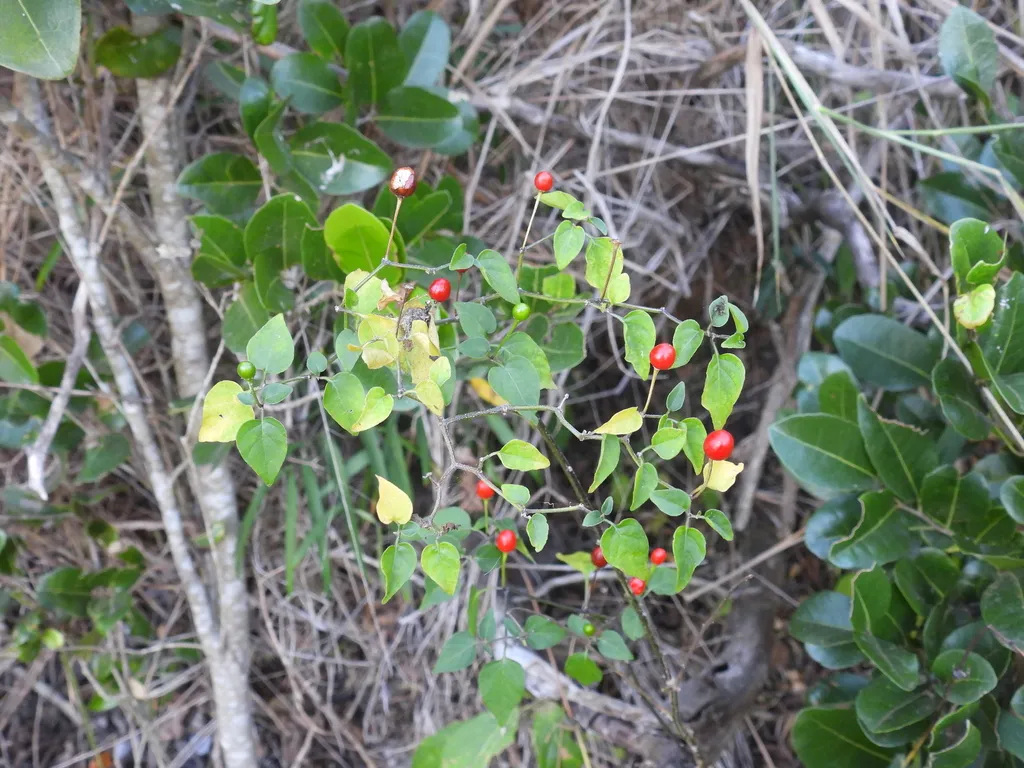



bell pepper

bell pepper · Sunlight

bell pepper · Capsicum annuum
Also known as: bird pepper; bonnet pepper; cayenne pepper; cherry pepper; chilli; common capsicum; cone pepper; garden ginger; goat pepper; guinea pepper; long pepper; ornamental pepper; paprika; pimento; red cluster pepper; red pepper; spur pepper; sweet pepper

Pepper thrives in environments with plenty of sunlight and consistent moisture in well-draining soil. Special care points include regular watering to keep the soil moist but not waterlogged, and ensuring ample sunlight exposure for healthy growth. Fertilizing every couple of weeks during the growing season can support robust development and fruit production.

Watering: Keep soil evenly moistSunlight: Full sunIrritant if eaten, skin/eye irritant. Wear gloves and other protective equipment when handling]

What Are the Sunlight Requirements for bell pepper?

Pepper thrives in full sun conditions, demanding at least 6 to 8 hours of direct sunlight daily to optimally support its growth and fruit production. Although pepper demonstrates tolerance for partial sun, receiving less than the ideal sun exposure can lead to elongated stems, fewer fruits, and diminished vibrancy. It is crucial for growers to plant pepper in outdoor spaces where sunlight is abundant and unfiltered for most of the day. When grown under less than optimal light, pepper may exhibit adaptive traits such as leaf orientation changes to maximize light absorption. For successful cultivation, ensuring adequate light is paramount.