
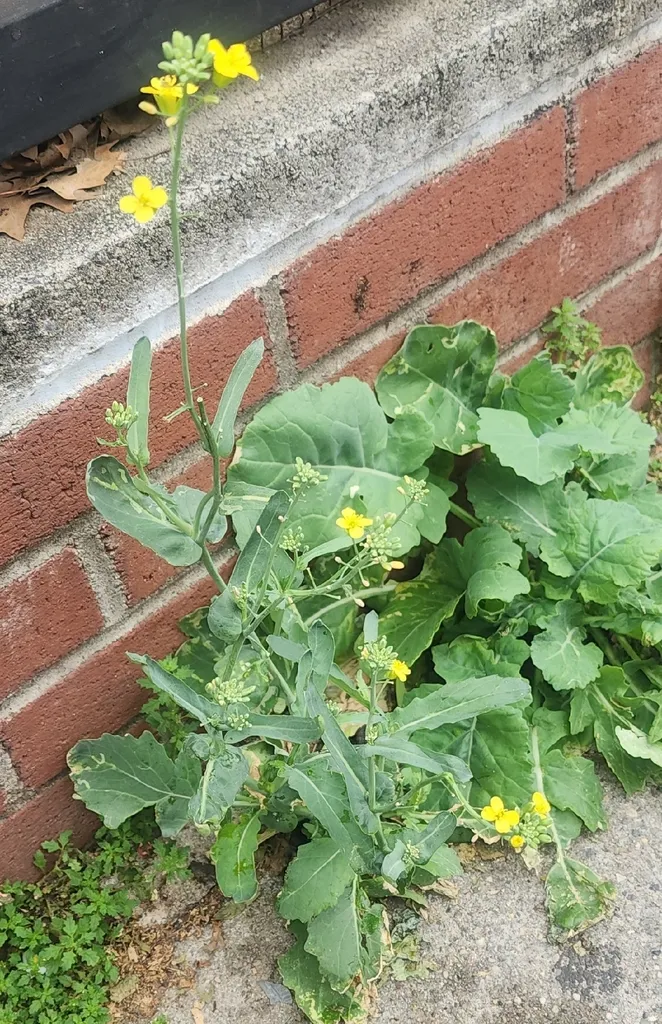



What Is the Ideal Temperature Range for oilseed rape?

Rutabaga prefers to germinate and grow at relatively low temperatures. The biology of rutabaga likes temperatures between approximately 20 to 25 ℃, but will also sprout at temperatures as low as 10 ℃. If temperatures are very low, planted seeds can be started on a heat mat and removed as soon as they have germinated. Brassica is one genus of vegetable with several well-known families which actually taste better after a frost; temperatures can drop below zero during the season. Temperature is very important for the transition of rutabaga from the vegetative to the reproductive phase. Whether growing these plants for leafy vegetables as a source of seeds or for breeding, temperature and timing should be carefully considered to achieve the desired result. Plants of genus Brassica is sensitive to moisture regardless of family. The large leaves of rutabaga require considerable amounts of water, however equally the roots require ample drainage. Sandy soils tend to lose moisture too quickly for this genus, whilst clay holds too much. Growing of rutabaga therefore calls for use of organic matter to ensure an adequate balance of moisture. The organic matter will also hold and supply trace elements, buffer pH and support beneficial organisms.