
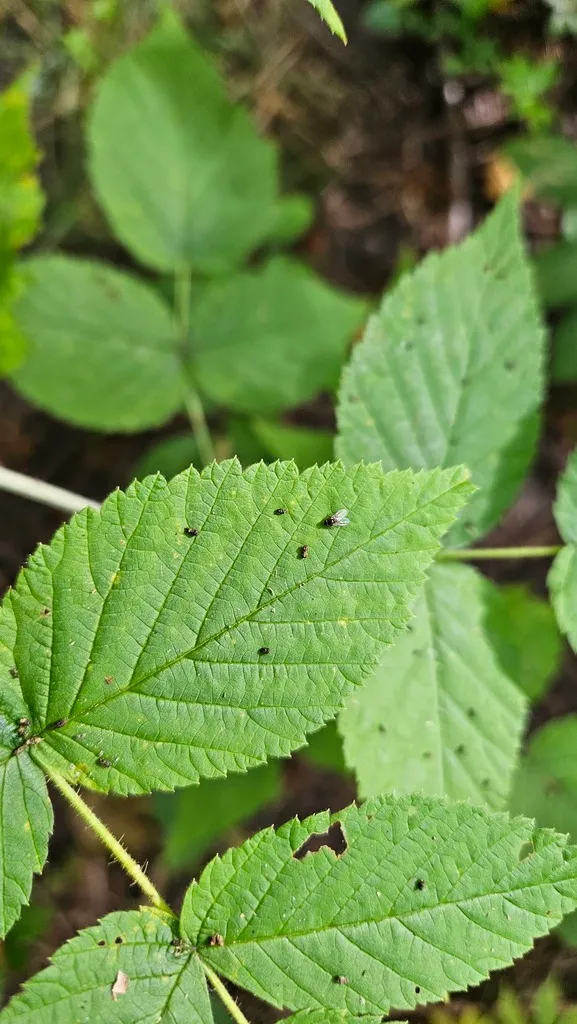



common raspberry

common raspberry · Temperature

common raspberry · Rubus idaeus
Also known as: European raspberry; frambois; framboise; framboys; garden raspberry; hindberry; hineberry; red raspberry; wild raspberry

Red raspberry thrive in well-drained, fertile soils with a pH between 5.5 and 6.5, and require full sun exposure for optimal fruit production. Special care points include regular pruning to promote healthy growth and fruit yield, and providing support structures like trellises for their canes. Additionally, mulching helps to retain soil moisture and fight off weeds. These practices contribute to red raspberry's reputation as an easy to care for plant given their straightforward maintenance needs.

Watering: Water deeply and regularly, especially during fruit developmentSunlight: Full sunInformation to be completed

What Is the Ideal Temperature Range for common raspberry?

Red raspberry is resilient to temperature fluctuations, showing remarkable tolerance for both cold and heat extremes. It can endure temperatures as low as 0℃ (32℉) and as high as 38℃ (100℉). This wide tolerance range means red raspberry can thrive in various climates, albeit with proper care. During extreme cold, symptoms such as wilting or blackened leaves may appear, indicating the need for insulation measures like mulching or covering. Conversely, in extreme heat, drooping leaves and sunscald may occur, necessitating increased watering and shading. Understanding these tolerance levels ensures that red raspberry remains healthy and productive in diverse environmental conditions.