
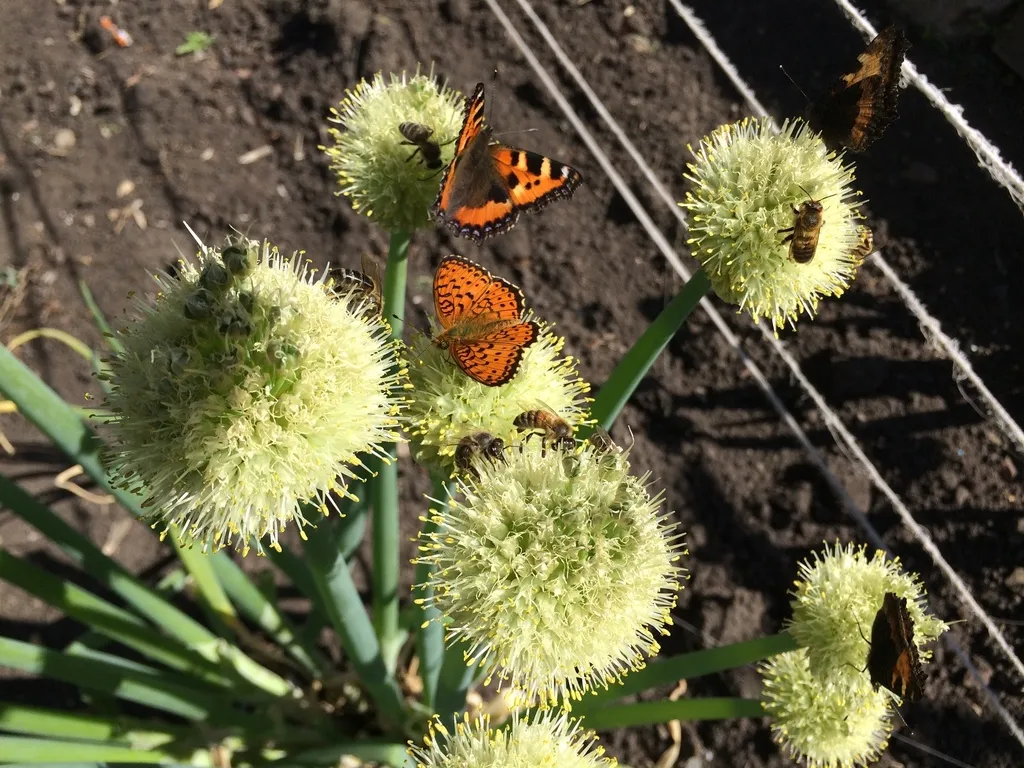



Welsh onion

Welsh onion · Temperature

Welsh onion · Allium fistulosum
Also known as: ciboul; Japanese bunching onion; Japanese leek; onion-leek; stone leek; Welsh leek

Welsh onion is generally considered effortless to grow, making it accessible to a broad range of gardeners. The plant thrives in full sun but can tolerate partial shade, and it requires well-draining soil that's kept consistently moist. Special care should be given to avoid overwatering, as welsh onion is prone to rot in waterlogged conditions. Regular harvesting can also encourage thicker growth of the plant.

Watering: Consistently damp topsoil, water frequently during active leaf growth stageSunlight: Full sunInformation to be completed

What Is the Ideal Temperature Range for Welsh onion?

Welsh onion demonstrates notable resilience to temperature variations, tolerating cold as low as -25℃ (-13℉) and heat up to 38℃ (100℉). This cold-hardiness makes it suitable for regions with harsh winters, though protective measures like mulching may be necessary. In extreme heat, welsh onion requires consistent watering to prevent wilting. Symptoms of temperature stress include yellowing leaves in heat and stunted growth or dieback in excessive cold. To mitigate cold damage, use frost cloths or relocate plants indoors. For heat stress, provide shading and increase watering. These adaptations allow welsh onion to thrive in diverse climates, ensuring a robust and productive growth cycle.

PlantCare

Your Ultimate Guide to Plants

Identify, grow and nurture the better way!

PlantCare plant identification and care illustration
PlantCare

Botanist in your pocket

Scan to download PlantCareDownload on the App Store

Scan the QR code with your phone camera to download the app