
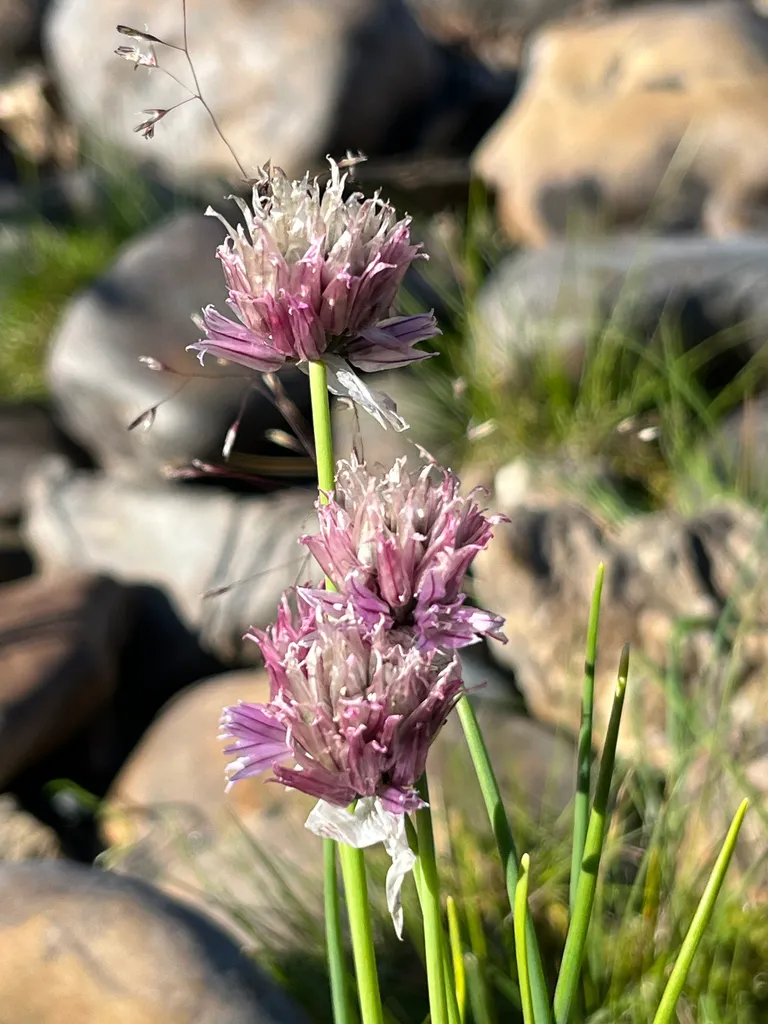



chives

chives · Temperature

chives · Allium schoenoprasum
Also known as: cive; onion grass; schnittlaugh; seithes; seives

Chives thrive in full sun to partial shade conditions and require well-draining soil. To ensure optimal growth, regular watering is necessary, but care must be taken to avoid waterlogging which can lead to root rot. Chives respond well to frequent harvesting and light fertilization, which encourages fuller, bushier growth and prevents the plant from becoming too woody.

Watering: Moist soil during active growth, then reduce watering after foliage yellowsSunlight: Full sun · Partial shadeInformation to be completed

What Is the Ideal Temperature Range for chives?

Chives demonstrates notable resilience to temperature variations, tolerating cold down to -20℃ (-4℉) and heat up to 38℃ (100℉). This adaptability makes it a viable option for diverse climates. Despite its hardiness, exposure to extreme cold may cause leaf tip burn or stunted growth, while excessive heat can lead to wilting or browning. For optimal care, protective measures such as mulching during cold spells and shading or adequate watering during heat waves are recommended. Chives's wide temperature tolerance thus allows it to thrive in various environments, making it a versatile addition to any garden.

PlantCare

Your Ultimate Guide to Plants

Identify, grow and nurture the better way!

PlantCare plant identification and care illustration
PlantCare

Botanist in your pocket

Scan to download PlantCareDownload on the App Store

Scan the QR code with your phone camera to download the app