
Japanese weigela
Also known as: Information to be completed
An upright, spreading deciduous shrub to 3.5m high, with shiny, toothed and pointed, oval leaves, with fine hairs on the leaf veins. In early summer, produces clusters of 2-8 flowers from the leaf axils; flowers are bell-shaped and white or pale pink, turning carmine red as they mature
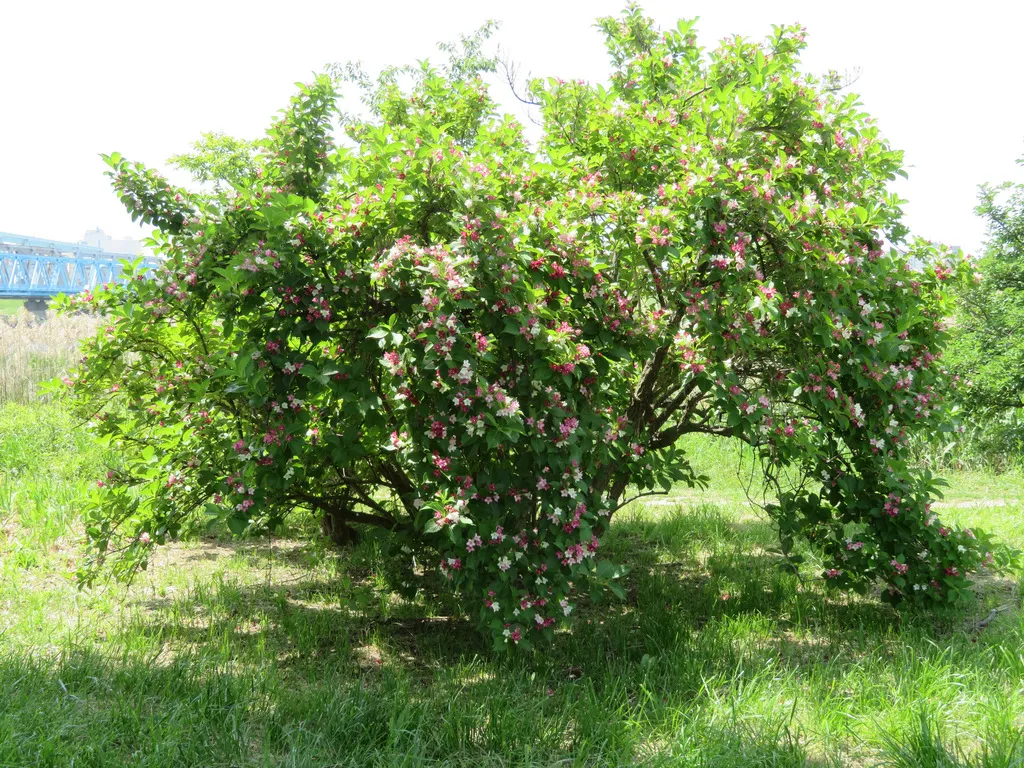
Scientific classification
- Species
- Japanese weigela (Weigela coraeensis)
- Genus
- Weigela
- Family
- Caprifoliaceae
- Information to be completed
- Toxicity
- Shrubs
- Plant type
- 2.5-4 metres
- Height
- 2.5-4 metres
- Spread
- Deciduous
- Foliage
- Bushy
- Habit
- Spring · Summer · Autumn
- Season of interest
- Full sun · Partial shade
- Sunlight
- Information to be completed
- Ideal temperature









Japanese weigela pictures
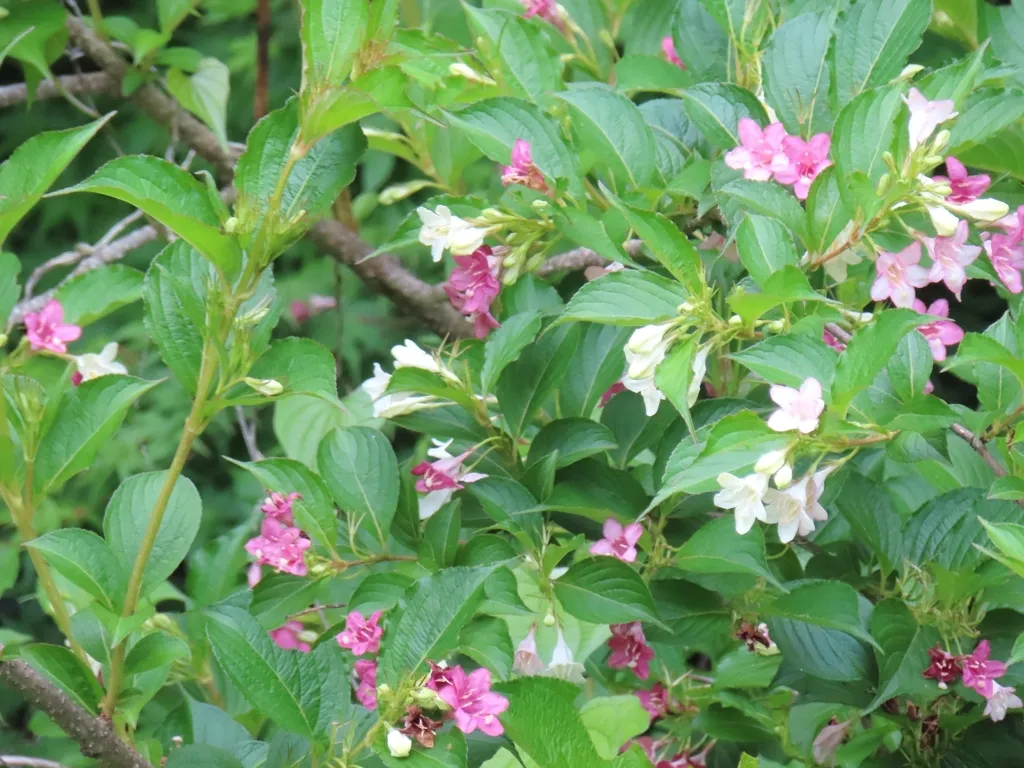
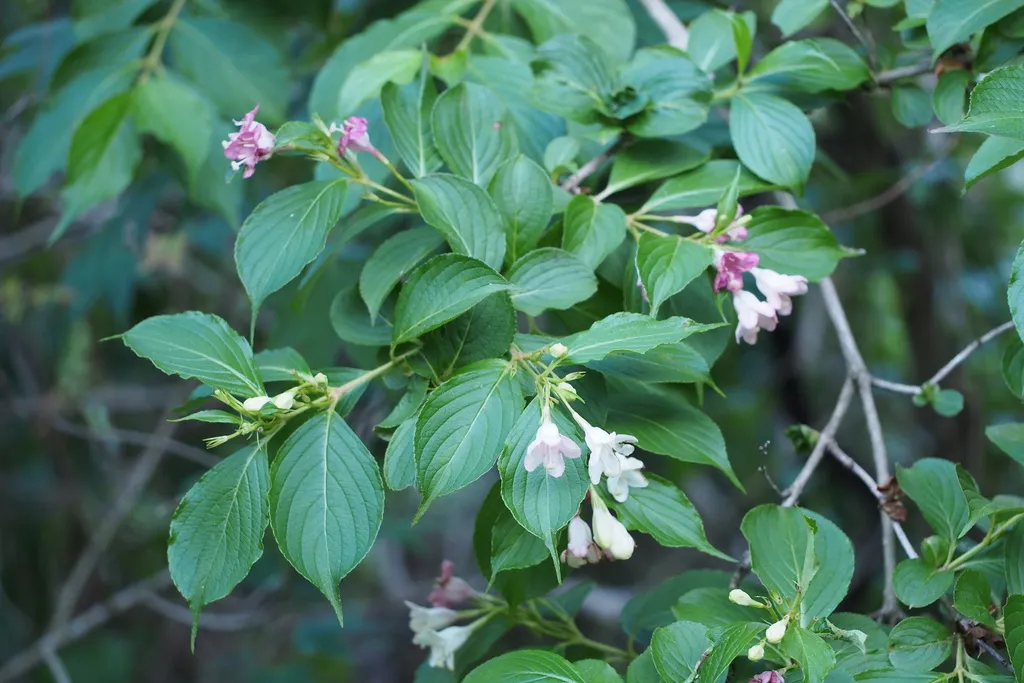
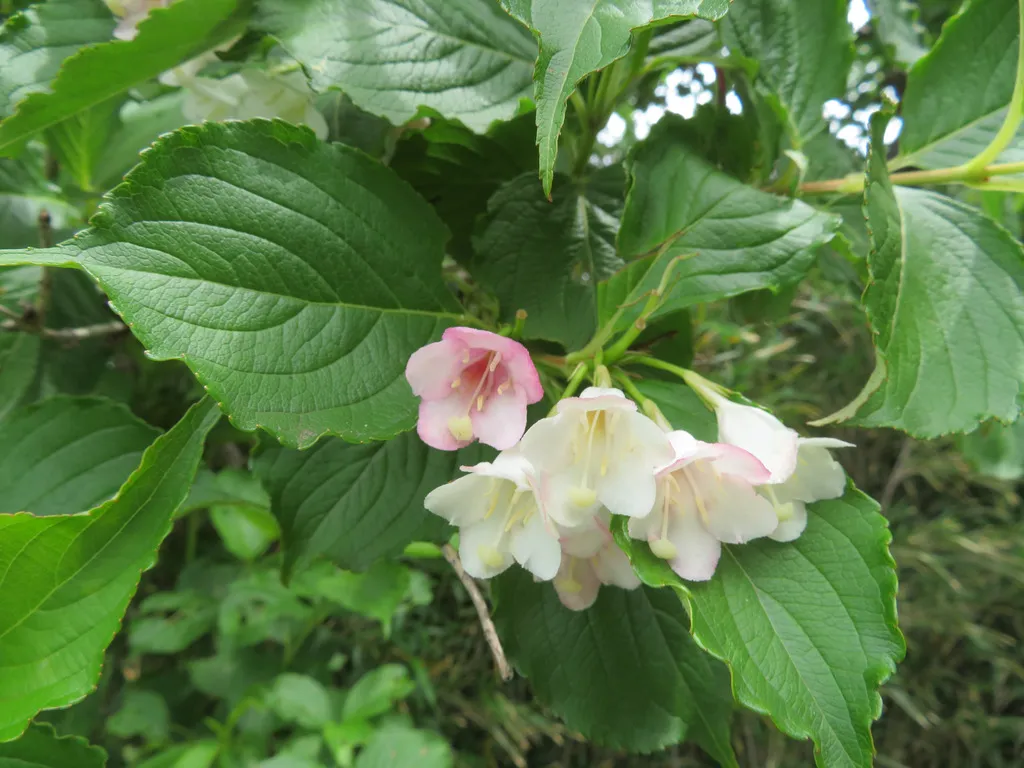
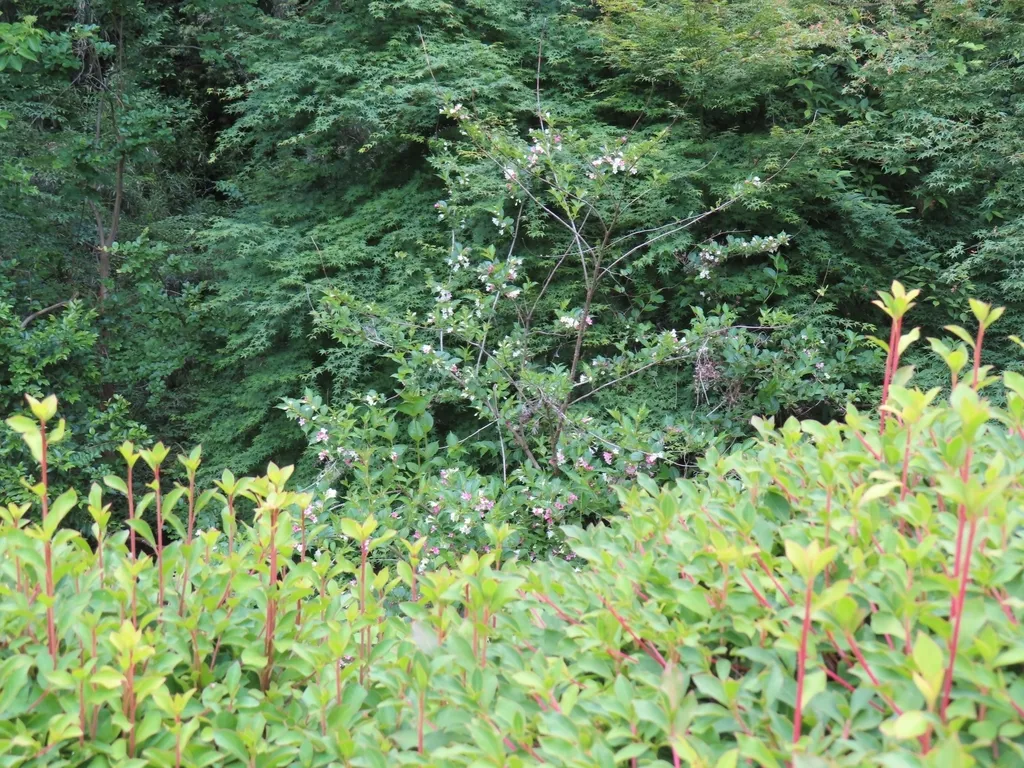
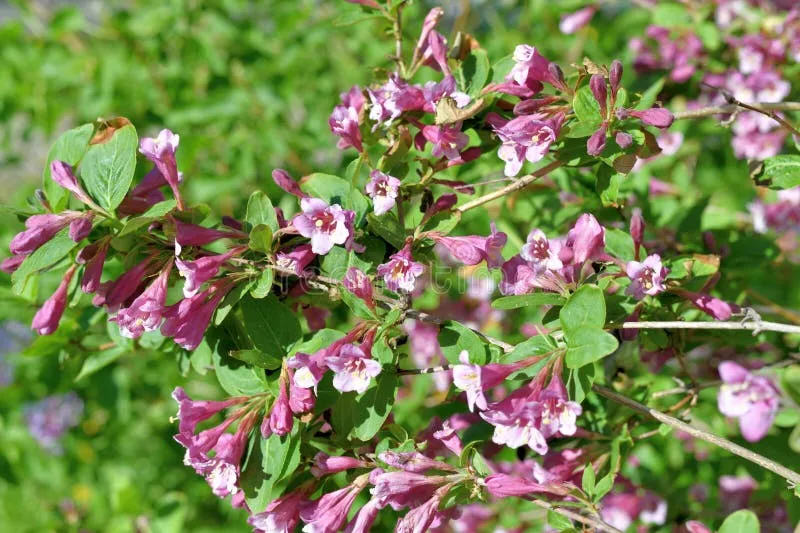
Distribution of Japanese weigela
Distribution map
Japan
Information to be completed
Culture
Information to be completed
Toxicity
Information to be completed
Quick identification of Japanese weigela
Information to be completed
Japanese weigela care guide
- Moderate regular watering, avoid prolonged drought or waterlogging
- Watering
- Full sun · Partial shade
- Sunlight
- Information to be completed
- Ideal temperature

Watering
Moderate regular watering, avoid prolonged drought or waterlogging
Fertilizing
 Fertilizing
Balanced feed in spring and light repeat in growth season
Pruning
 Pruning
Cut flowered growth back to strong young shoots below, removing up to a fifth of old stems near the base each year. Prune after flowering has finished.
Propagation
 Propagation
Propagate by softwood cuttings in early summer, semi-hardwood cuttings in midsummer, or hardwood cuttings in autumn and winter
Growing
 Growing
Grow in any fertile, well-drained soil in full sun or partial shade.
People also ask
Information to be completed
Common pests and diseases
Diseases
May be susceptible to honey fungus
Pests
May be susceptible to leaf and bud eelworm
Explore the plant health library →




