
Swiss cheese plant
Also known as: Swiss cheese plant; monstera; fruit salad plant; ceriman
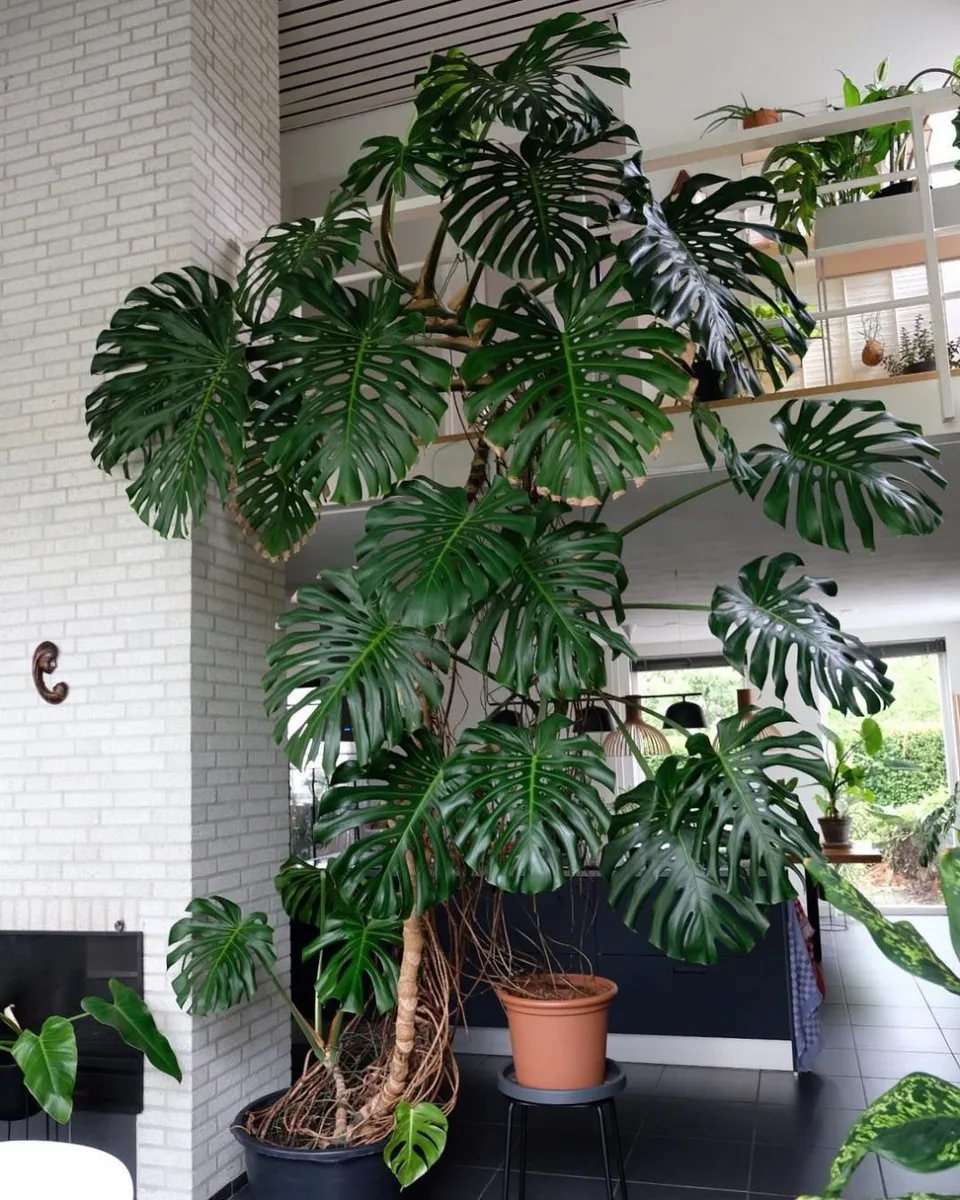
M. deliciosa is an evergreen shrub to 5m or more, climbing by aerial roots, with heart-shaped, pinnatisect and often perforated, glossy deep green leaves to 90cm; flower spathes 30cm, white, followed by cone-like cream fruit

Scientific classification
- Species
- Swiss cheese plant (Monstera deliciosa)
- Genus
- Monstera
- Family
- Araceae
- Harmful if eaten, skin/eye irritant. Wear gloves and other protective equipment when handling]
- Toxicity
- Shrubs · Conservatory Greenhouse
- Plant type
- 4-8 metres
- Height
- 1.5-2.5 metres
- Spread
- Evergreen
- Foliage
- Climbing
- Habit
- Spring · Summer · Autumn · Winter
- Season of interest
- Partial shade
- Sunlight
- 18 – 27 °C
- Ideal temperature









Swiss cheese plant pictures
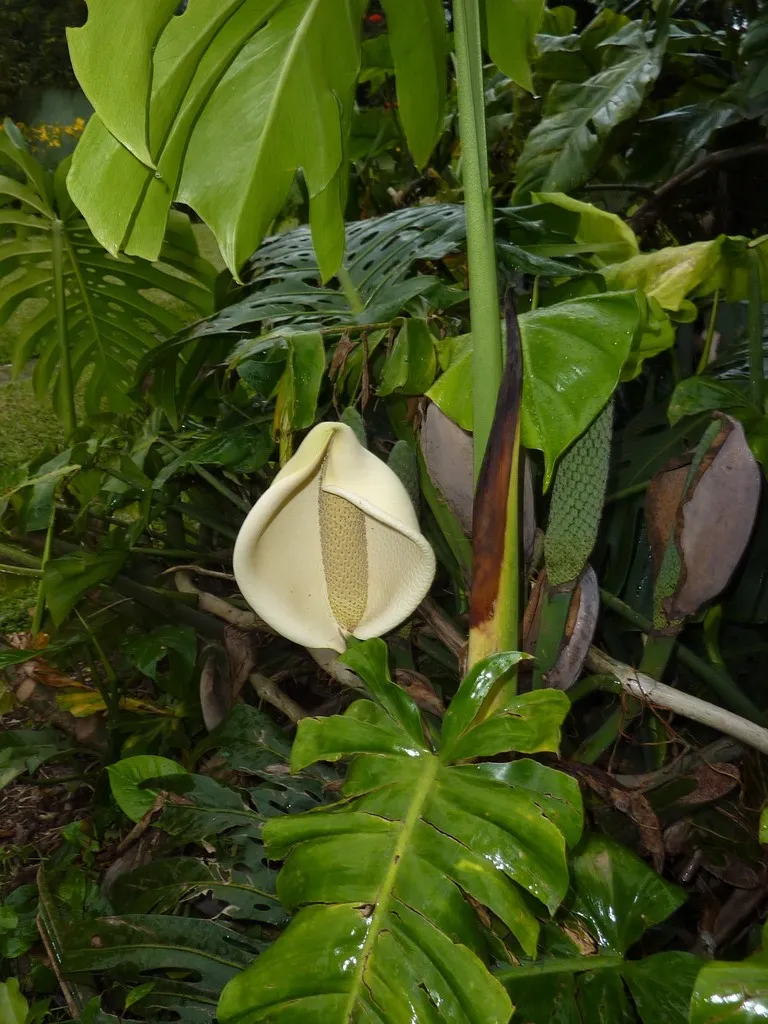
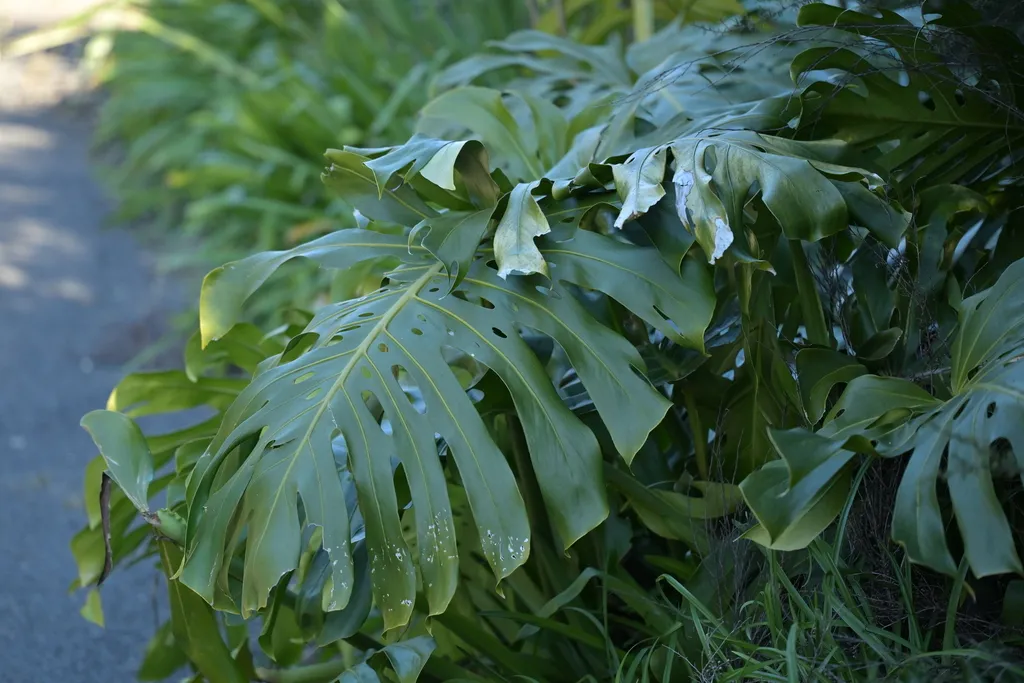
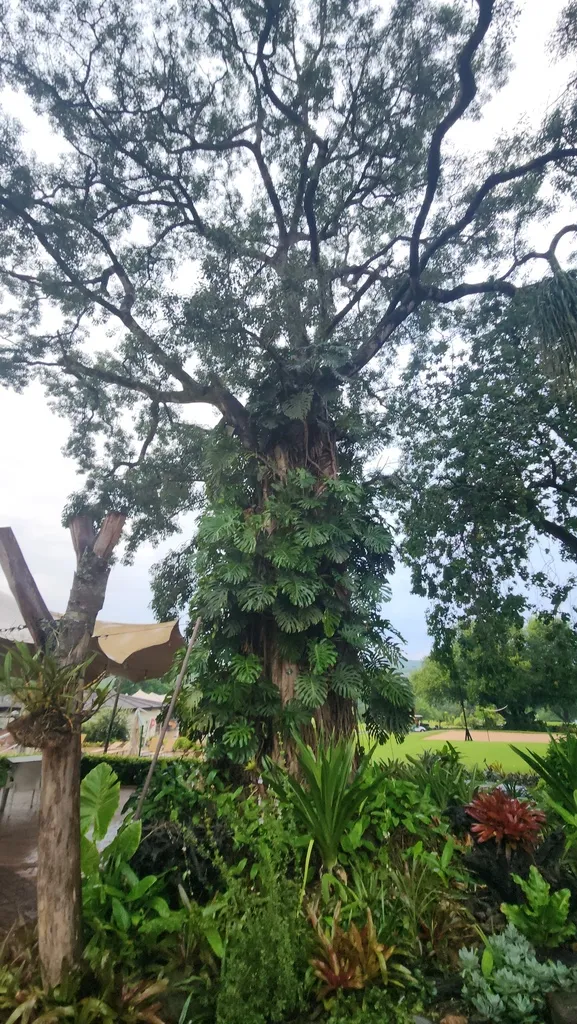
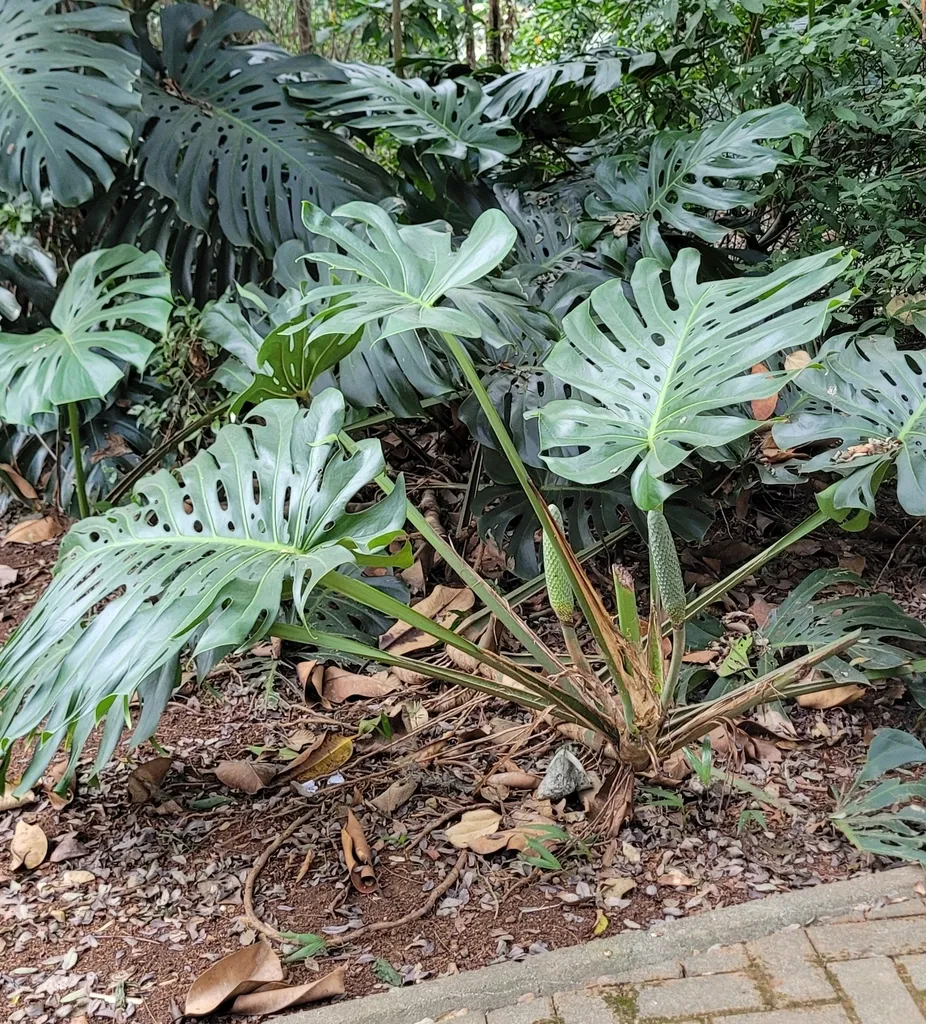
Distribution of Swiss cheese plant
Distribution map
Mexico to Panama
Information to be completed
Culture
Information to be completed
Toxicity
Harmful if eaten, skin/eye irritant. Wear gloves and other protective equipment when handling]
Quick identification of Swiss cheese plant
Information to be completed
Swiss cheese plant care guide
- Water when top inch of soil is dry
- Watering
- Partial shade
- Sunlight
- 18 – 27 °C
- Ideal temperature

Watering
Water when top inch of soil is dry
Fertilizing
 Fertilizing
Monthly during growing season
Pruning
 Pruning
Routine pruning is unnecessary; shorten overlong shoots to fit the available space. For last-year flowering growth, prune after flowering; for current-year flowering growth, prune in late winter or spring. This guidance is for established plants.
Propagation
 Propagation
Propagate by seed, root tip or leaf cuttings or by layering in summer
Growing
 Growing
Grow outdoors in humus-rich, moist but well-drained soil in partial shade in a sheltered frost-free area. Grow under glass in loam-based compost in bright indirect light with moderate to high humidity
People also ask
Information to be completed
Common pests and diseases
Diseases
Generally disease free
Pests
May be susceptible to scale insects and glasshouse red spider mite
Explore the plant health library →



