
lovage
Also known as: bladderseed
A hairless perennial to 2m in height and 1m width; with mid- to dark-green, 2- to 3-pinnate leaves and yellow-green flowers in summer, which are followed by aromatic seeds. The plant is celery-scented and often used as a culinary herb
Scientific classification
- Species
- lovage (Levisticum officinale)
- Genus
- Levisticum
- Family
- Apiaceae
- Order
- Apiales
- Class
- Magnoliopsida
- Phylum
- Tracheophyta
- Information to be completed
- Toxicity
- Herbs - Culinary · Herbaceous Perennial
- Plant type
- 1.5-2.5 metres
- Height
- 0.5-1 metres
- Spread
- Deciduous
- Foliage
- Columnar upright
- Habit
- Spring · Summer
- Season of interest
- Full sun
- Sunlight
- Information to be completed
- Ideal temperature









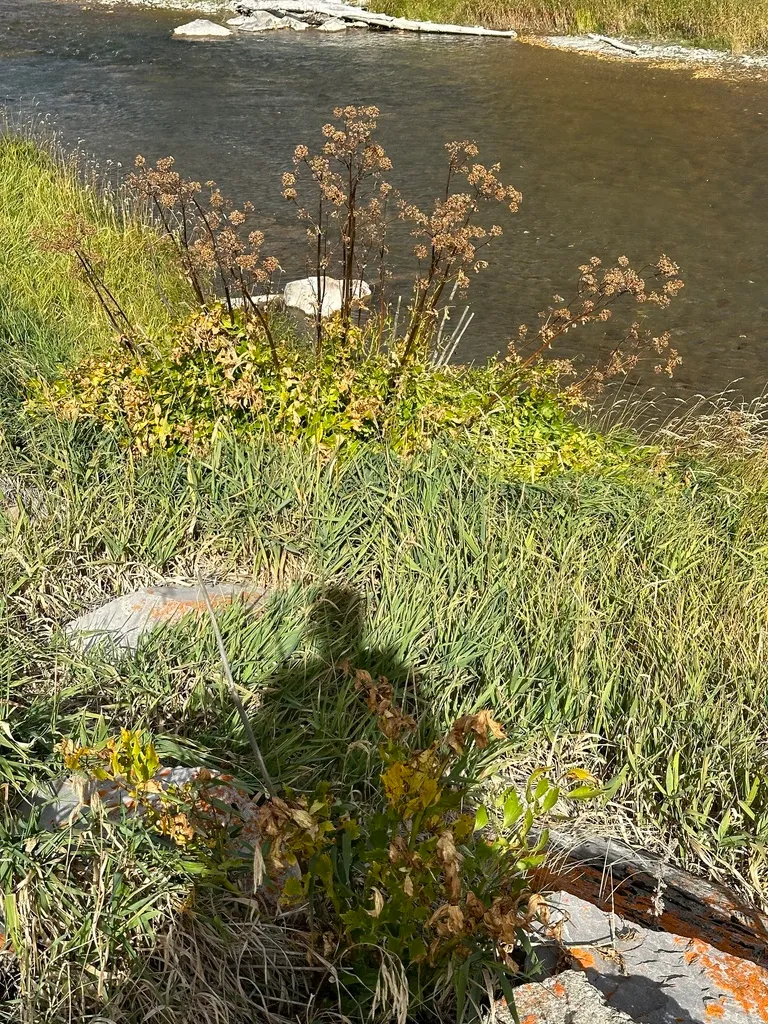
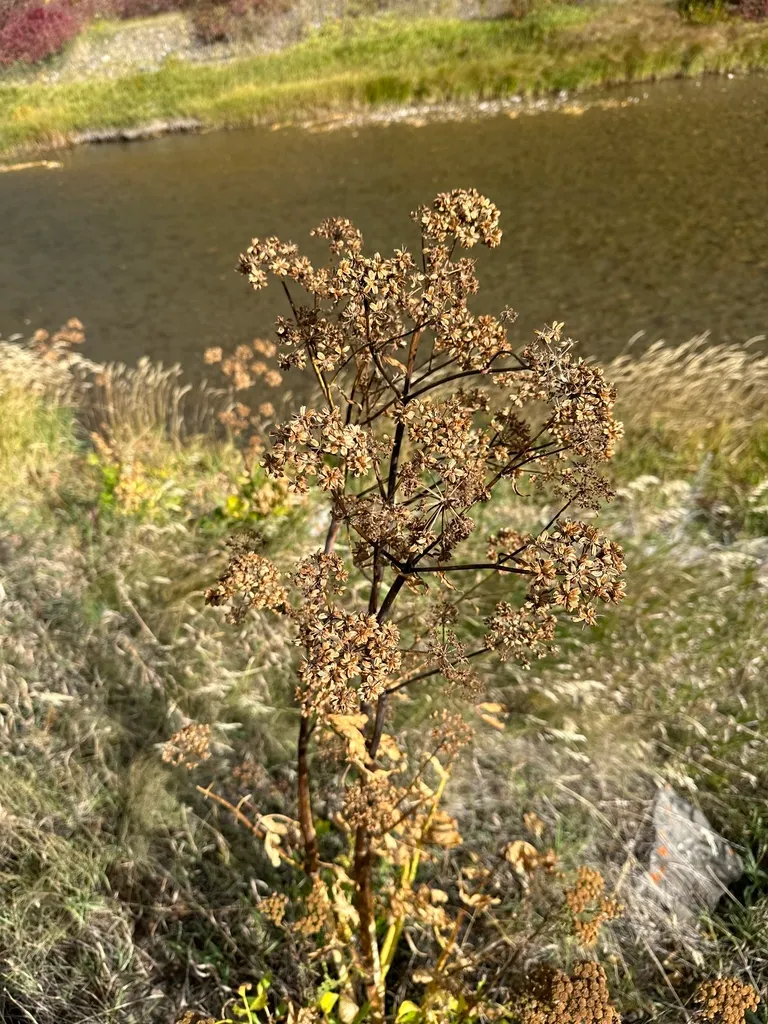
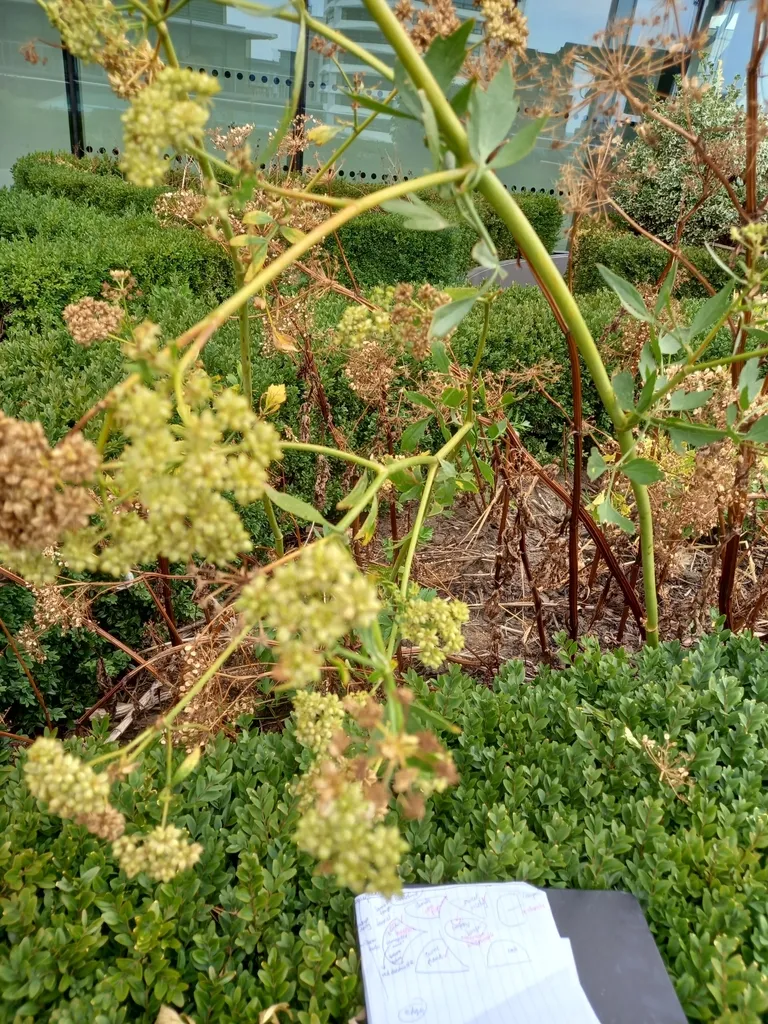
lovage pictures
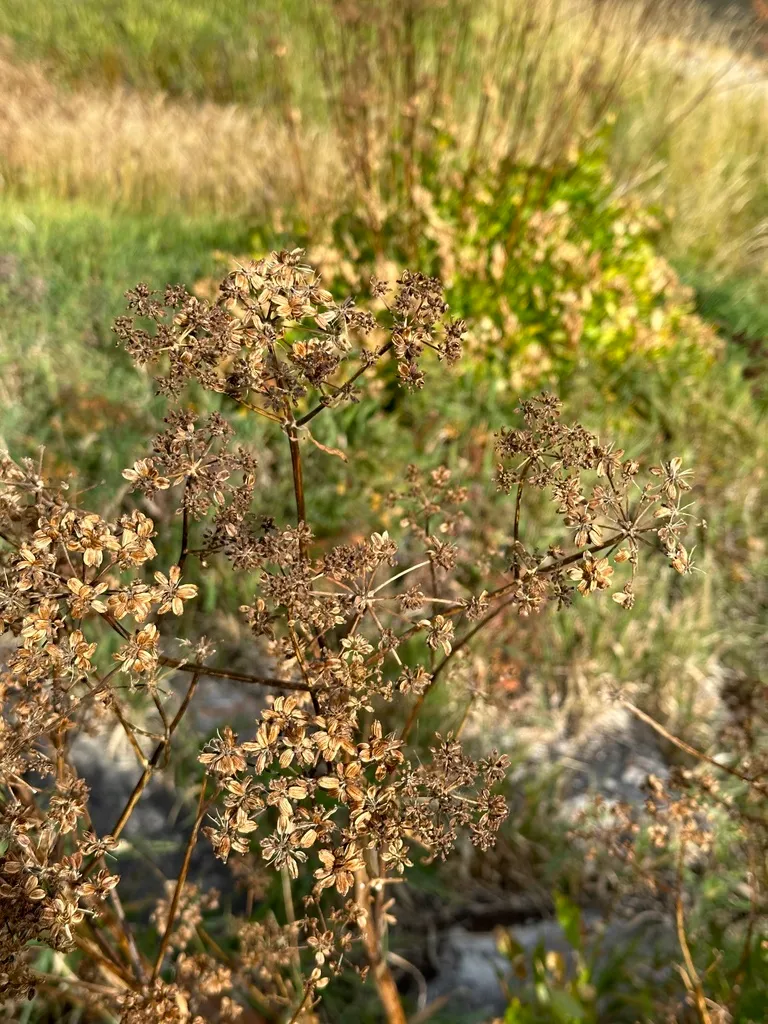
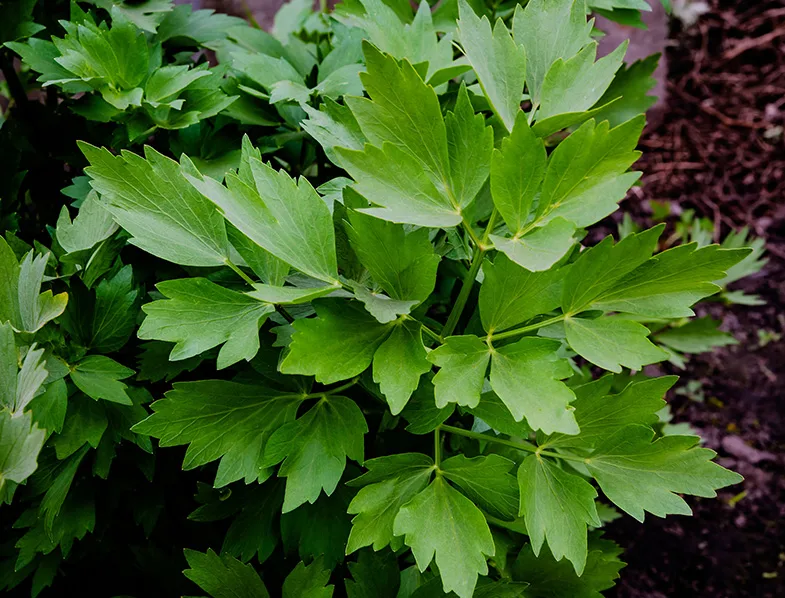
Distribution of lovage
Distribution map
- Native
- Introduced
- Cultivated
Source:WCVP v16 · Royal Botanic Gardens, Kew · CC BY 3.0 · Boundaries:WGSRPD / TDWG
lovage care guide
- Water regularly, keeping the soil moist but not waterlogged; water more in dry spells.
- Watering
- Full sun
- Sunlight

Watering
Water regularly, keeping the soil moist but not waterlogged; water more in dry spells.
Fertilizing
 Fertilizing
Apply a balanced fertilizer monthly during the growing season.
Pruning
 Pruning
Cut back old foliage in autumn
Propagation
 Propagation
Propagate by seed or division in spring
Growing
 Growing
Will tolerate most soils but prefers, deep, fertile, moist but well-drained soil in full sun. See lovage cultivation for more advice
Common pests and diseases
Diseases
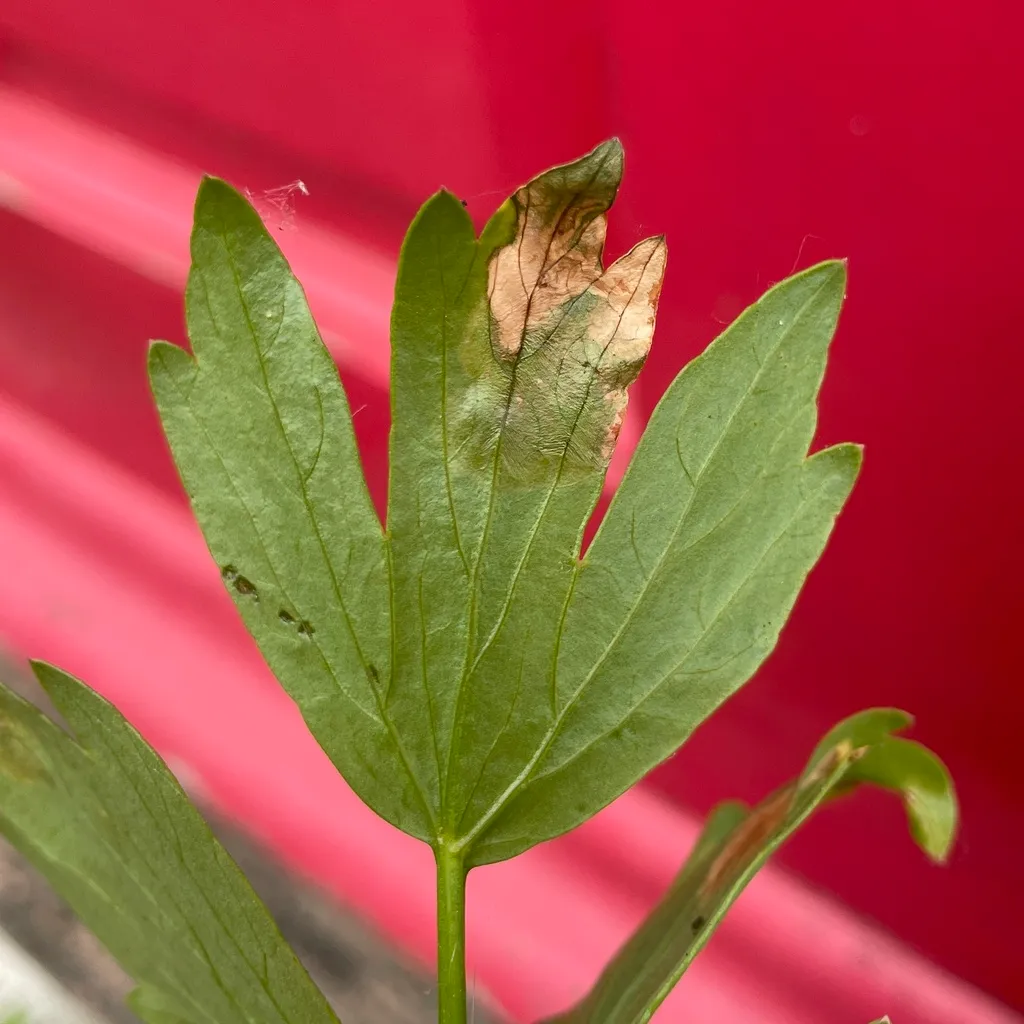
May be susceptible to celery leaf spot
Pests
May be susceptible to slugs and snails and and celery leaf miner
Explore the plant health library →




