
short-sepal bitter-root
Also known as: Information to be completed
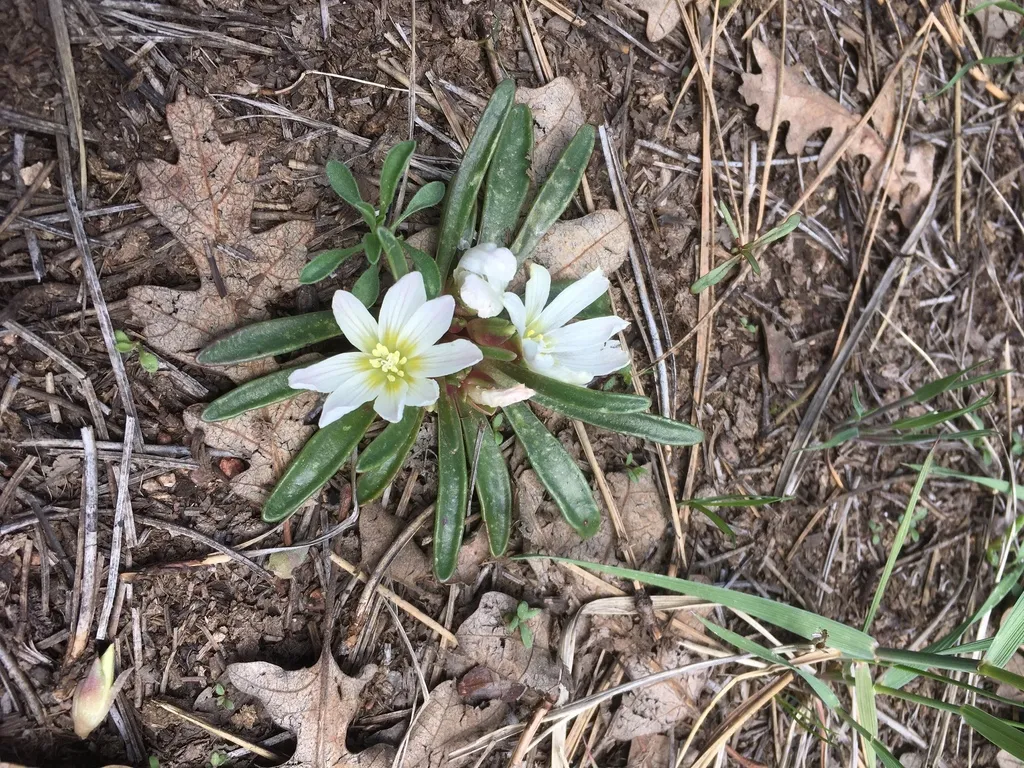
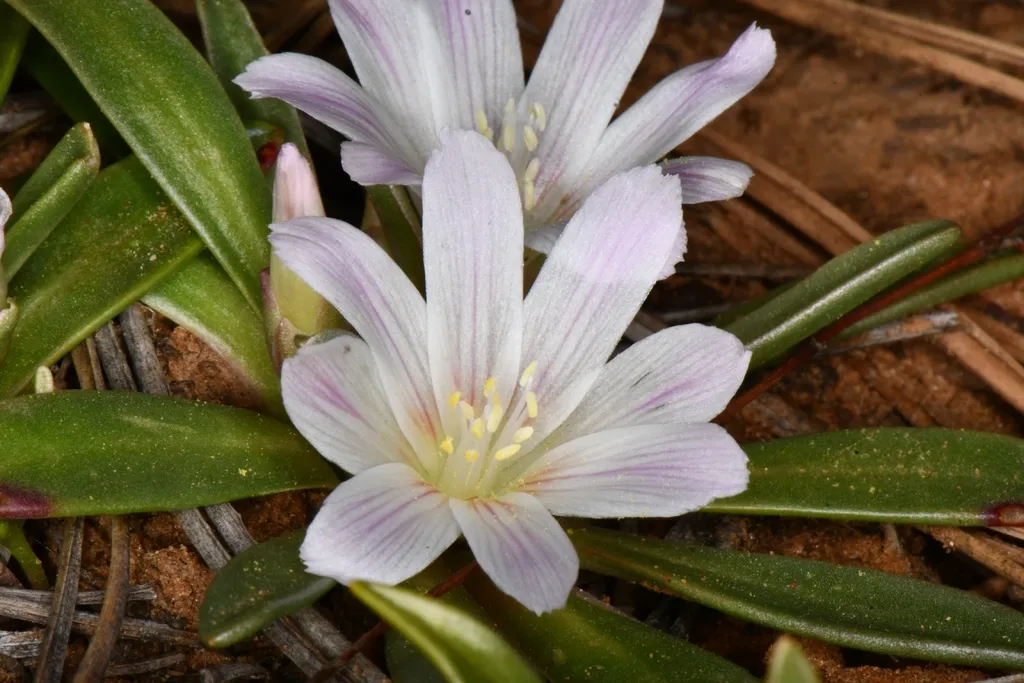
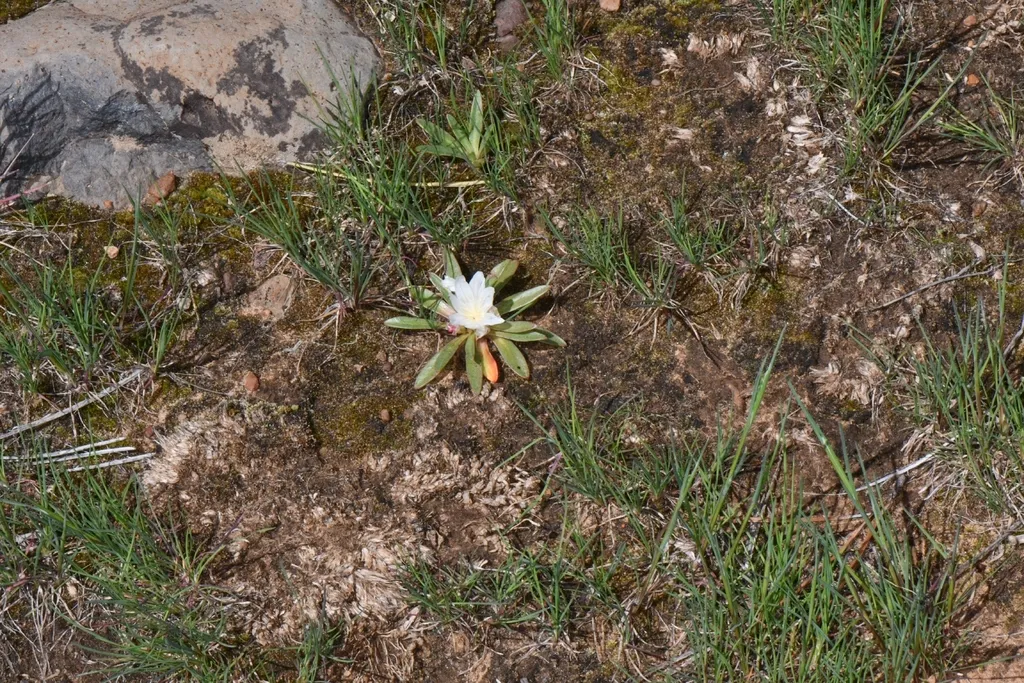
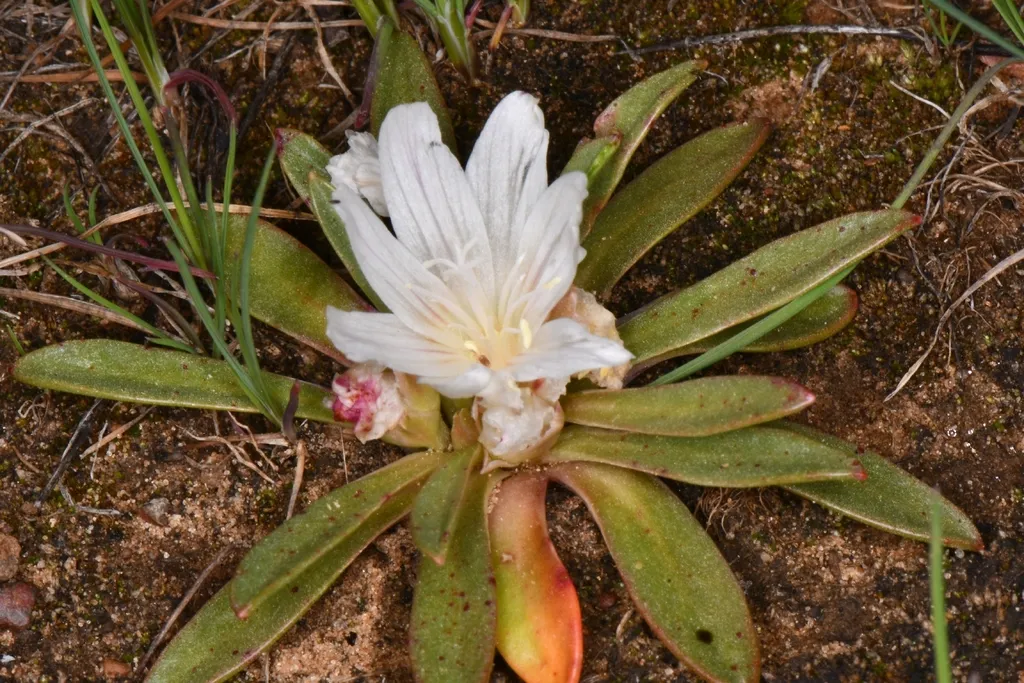
L. brachycalyx is a deciduous, tufted perennial to 8cm in height, forming a rosette of narrow fleshy dark green leaves, with solitary white or pale pink flowers 3-5cm in width, borne just above the foliage
Scientific classification
- Species
- short-sepal bitter-root (Lewisia brachycalyx)
- Genus
- Lewisia
- Family
- Montiaceae
- Order
- Caryophyllales
- Class
- Magnoliopsida
- Phylum
- Tracheophyta
- Information to be completed
- Toxicity
- Alpine Rockery
- Plant type
- Up to 10 cm
- Height
- 0-0.1 metre
- Spread
- Deciduous
- Foliage
- Tufted
- Habit
- Spring · Autumn · Winter · Summer
- Season of interest
- Full sun
- Sunlight
- Information to be completed
- Ideal temperature









short-sepal bitter-root pictures
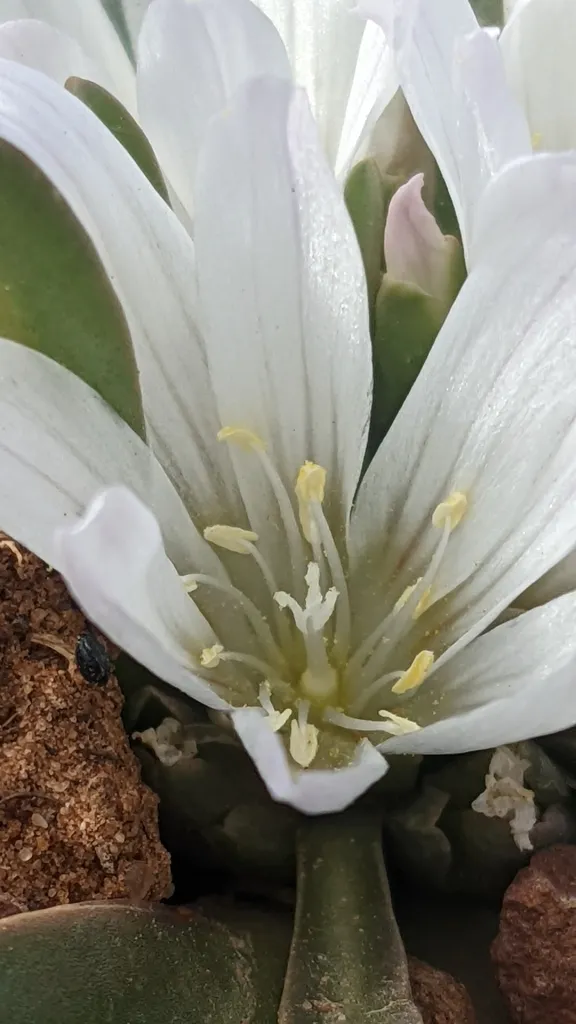
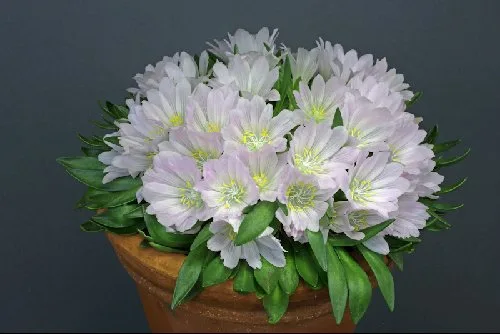
Distribution of short-sepal bitter-root
Distribution map
- Native
- Introduced
- Cultivated
Source:WCVP v16 · Royal Botanic Gardens, Kew · CC BY 3.0 · Boundaries:WGSRPD / TDWG
short-sepal bitter-root care guide
- Moderate regular watering, allowing brief slight drying between soakings
- Watering
- Full sun
- Sunlight

Watering
Moderate regular watering, allowing brief slight drying between soakings
Fertilizing
 Fertilizing
Balanced perennial feed every four weeks from spring through summer
Pruning
 Pruning
Deadhead after flowering
Propagation
 Propagation
Propagate by seed sown in pots in a cold frame in autumn
Growing
 Growing
Grow in moderately fertile, humus-rich, very well-drained, neutral to acid soil in full sun; a gravel top-dressing helps to keep foliage dry. Protect from winter wet; dies down in summer when it needs protecting from rain because it is dormant. Suitable for cultivation in a container in an alpine house
Common pests and diseases
Diseases
Prone to neck rot in wet conditions
Pests
Prone to aphids under glass and to slugs and snails outdoors
Explore the plant health library →




