
alpine lewisia
Also known as: pygmy bitterroot
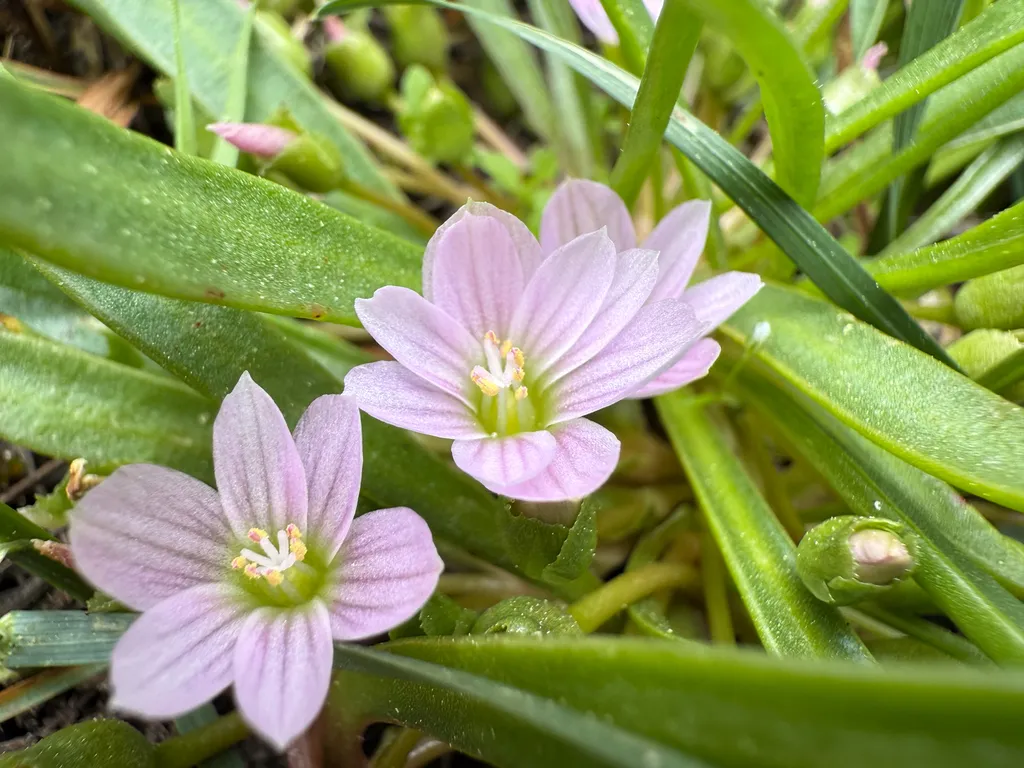
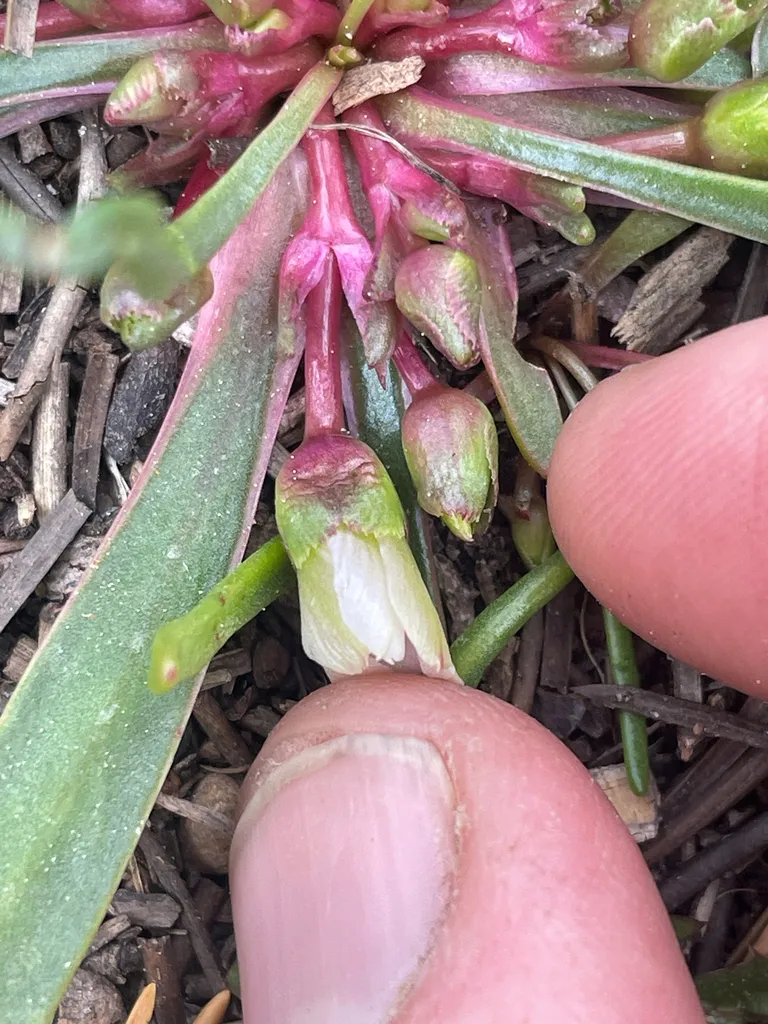
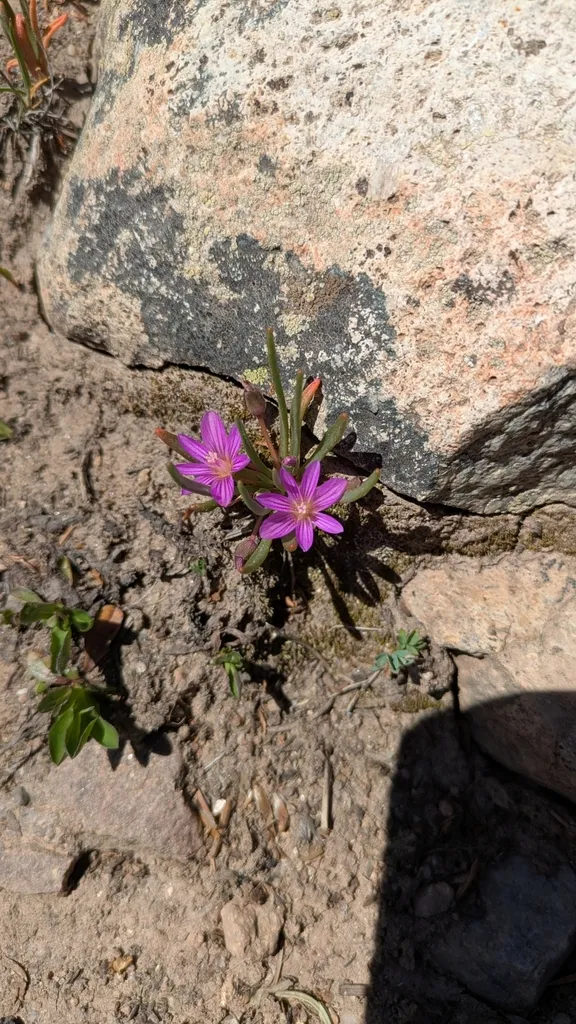
A compact, deciduous perennial with tufted, dark green and fleshy, linear to lance-shaped leaves up to 8cm long. Semi-erect to prostrate stems bear white, pink or red flowers up to 1.5cm in diameter from late spring into early summer, the petals of which may be deeply veined
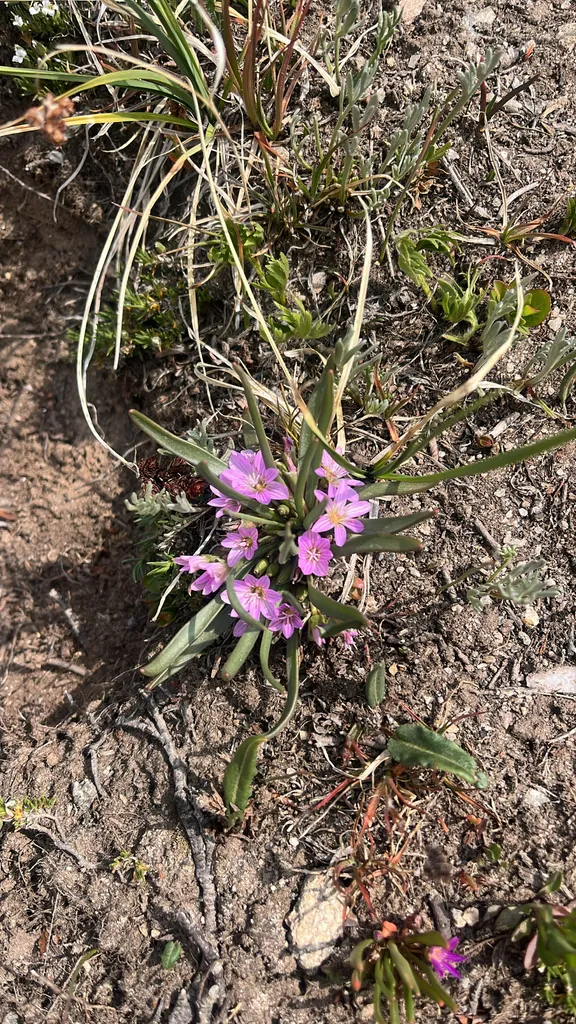
Scientific classification
- Species
- alpine lewisia (Lewisia pygmaea)
- Genus
- Lewisia
- Family
- Montiaceae
- Information to be completed
- Toxicity
- Alpine Rockery
- Plant type
- Up to 10 cm
- Height
- 0-0.1 metre
- Spread
- Deciduous
- Foliage
- Tufted
- Habit
- Spring · Summer · Autumn
- Season of interest
- Partial shade · Full sun
- Sunlight
- Information to be completed
- Ideal temperature









alpine lewisia pictures
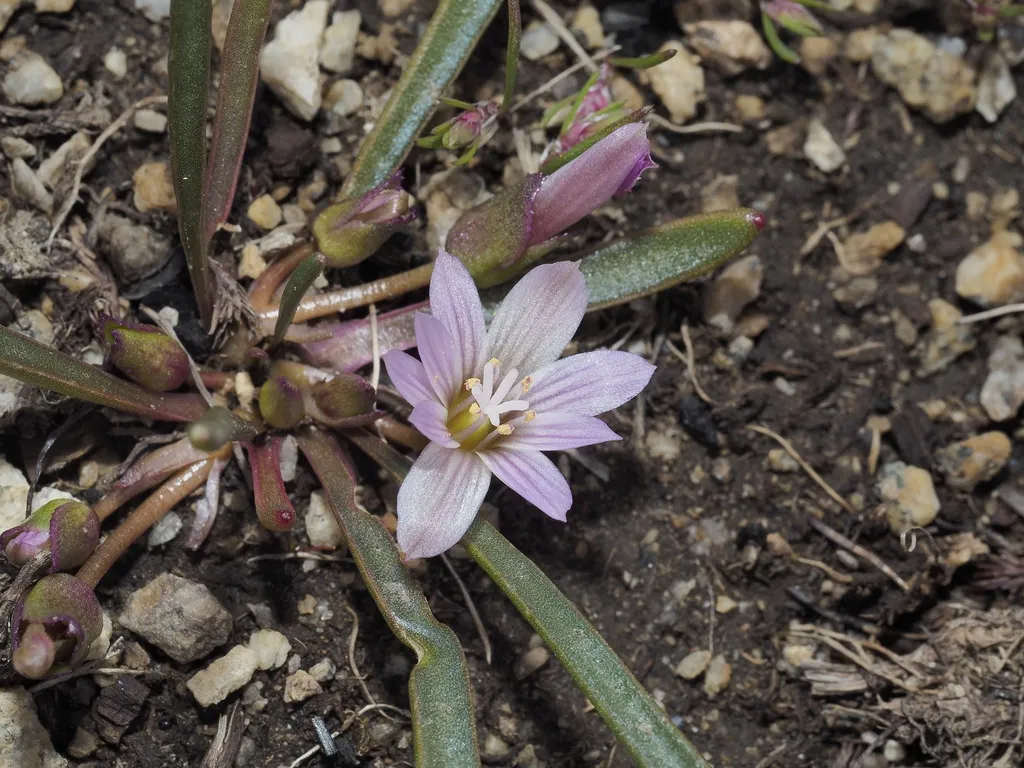
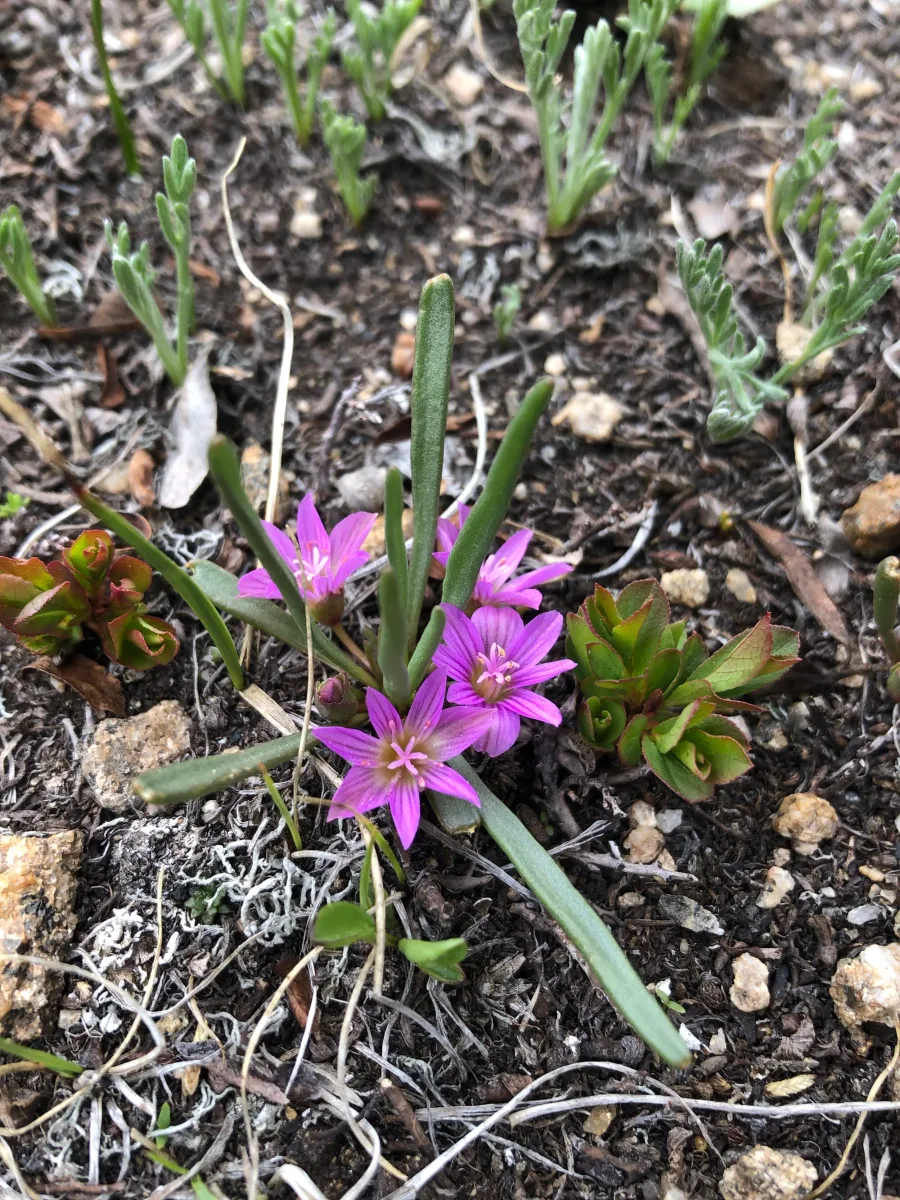
Distribution of alpine lewisia
Distribution map
Western Northern America
Information to be completed
Culture
Information to be completed
Toxicity
Information to be completed
Quick identification of alpine lewisia
Information to be completed
alpine lewisia care guide
- Moderate regular watering, allowing brief slight drying between soakings
- Watering
- Partial shade · Full sun
- Sunlight
- Information to be completed
- Ideal temperature

Watering
Moderate regular watering, allowing brief slight drying between soakings
Fertilizing
 Fertilizing
Balanced perennial feed every four weeks from spring through summer
Pruning
 Pruning
No pruning required
Propagation
 Propagation
Propagate by seed or offsets
Growing
 Growing
Grow in moderately fertile, neutral to acid, well-drained soil in full sun or light shade. Suitable for the alpine house, rock garden, or in the crevices of a retaining wall. Protect from winter wet
People also ask
Information to be completed
Common pests and diseases
Diseases
May be susceptible to neck rots in wet conditions
Pests
May be susceptible to aphids, slugs and snails
Explore the plant health library →




