
Pontic rhododendron
Also known as: Information to be completed
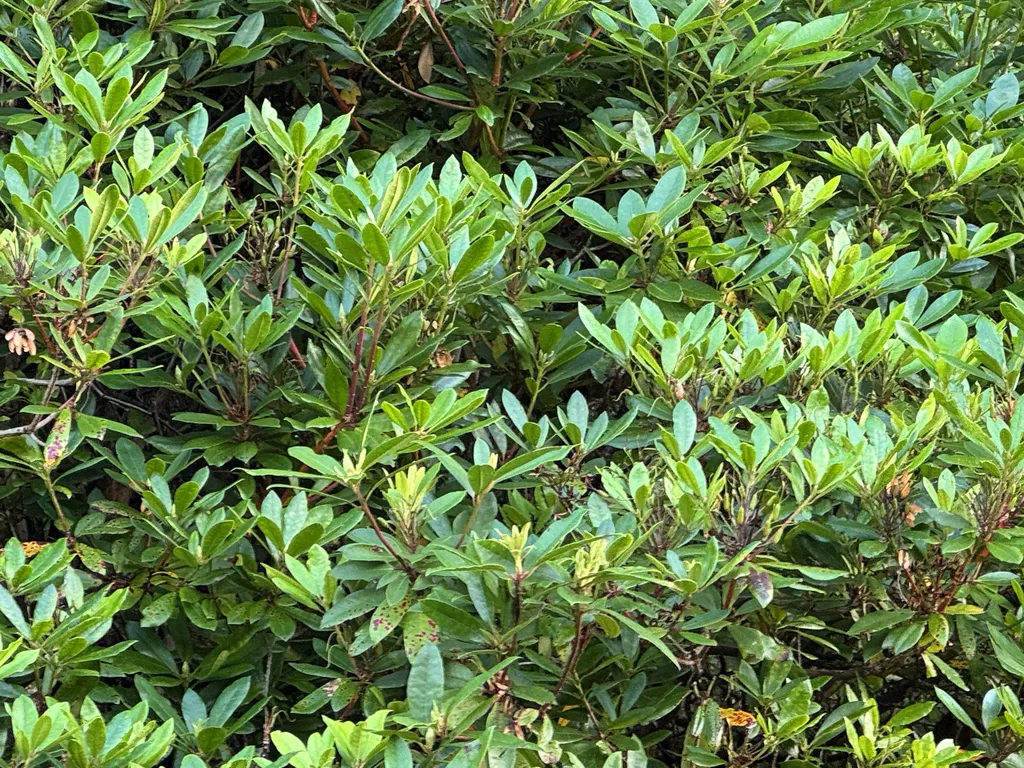
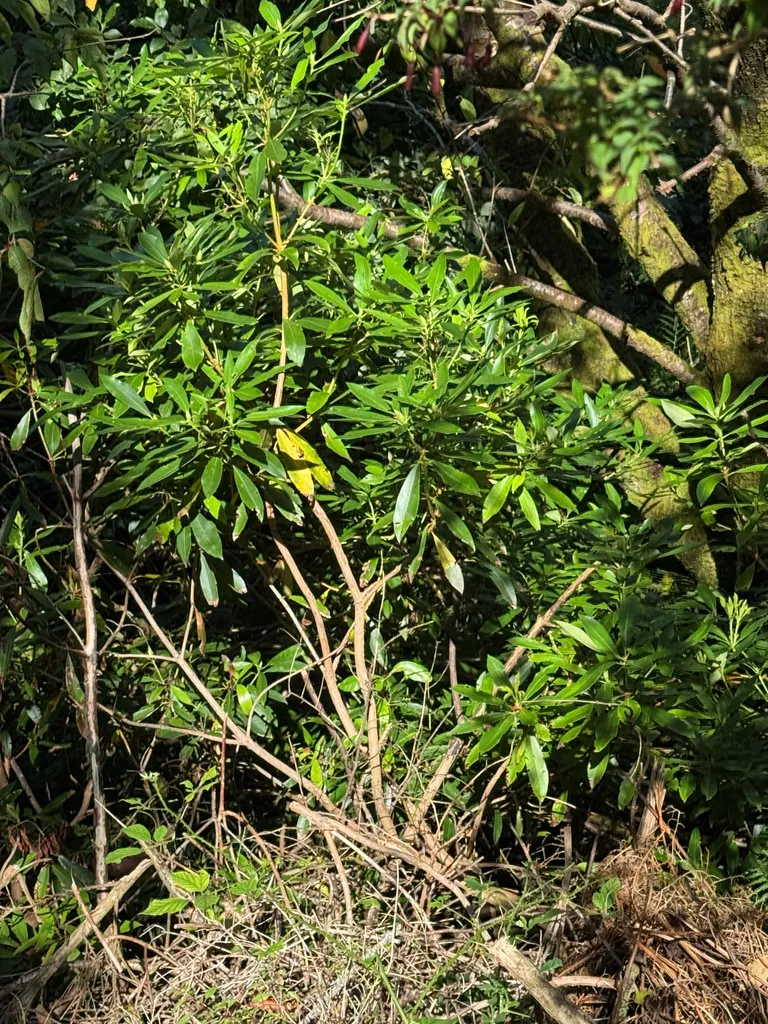
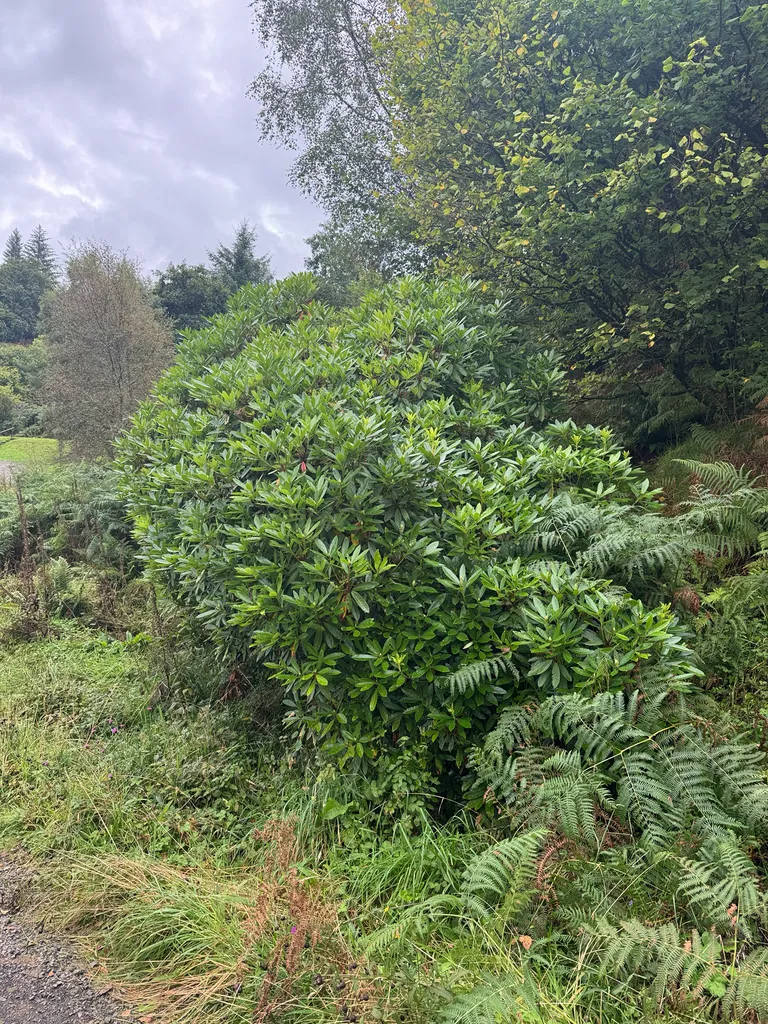
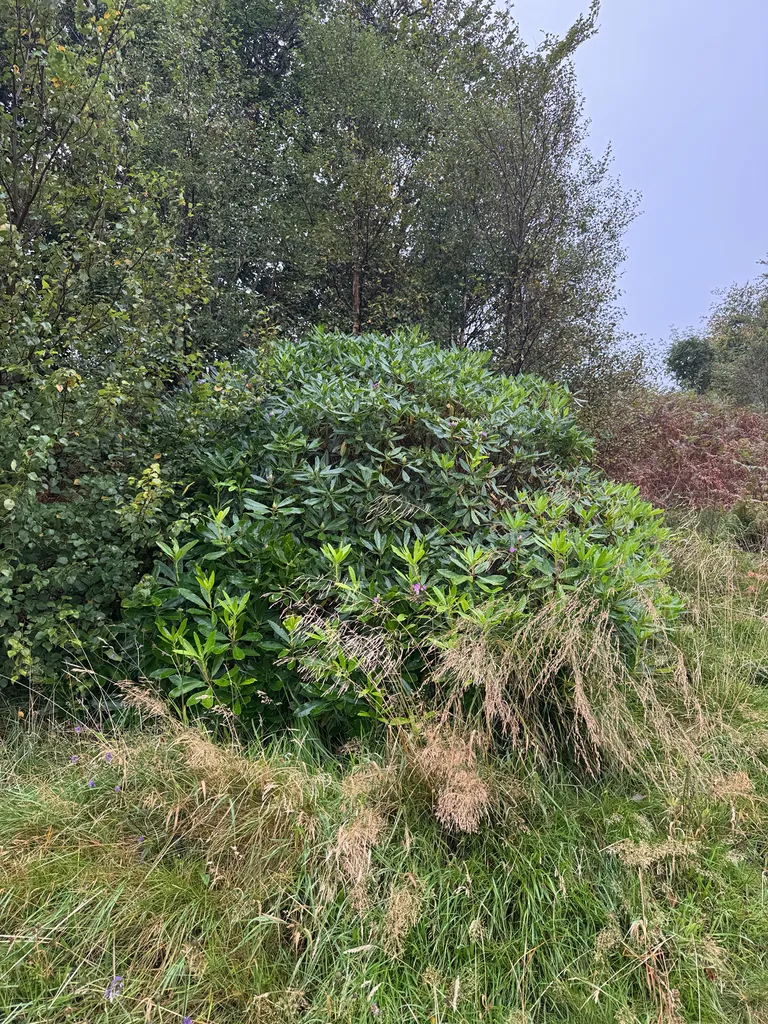
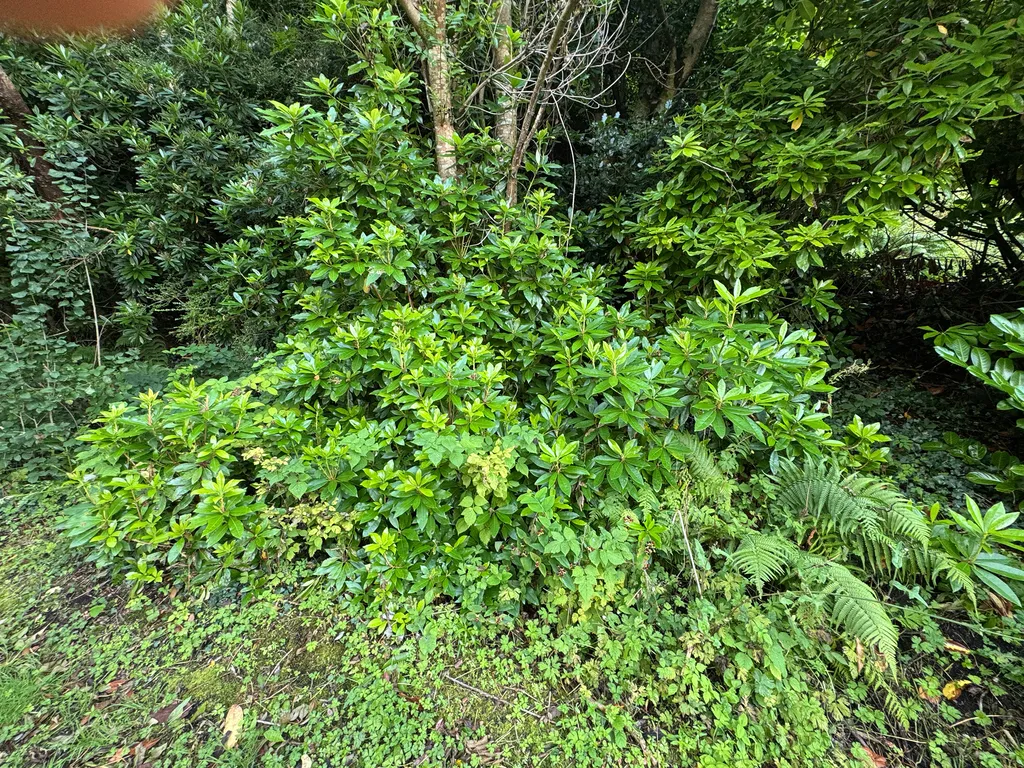
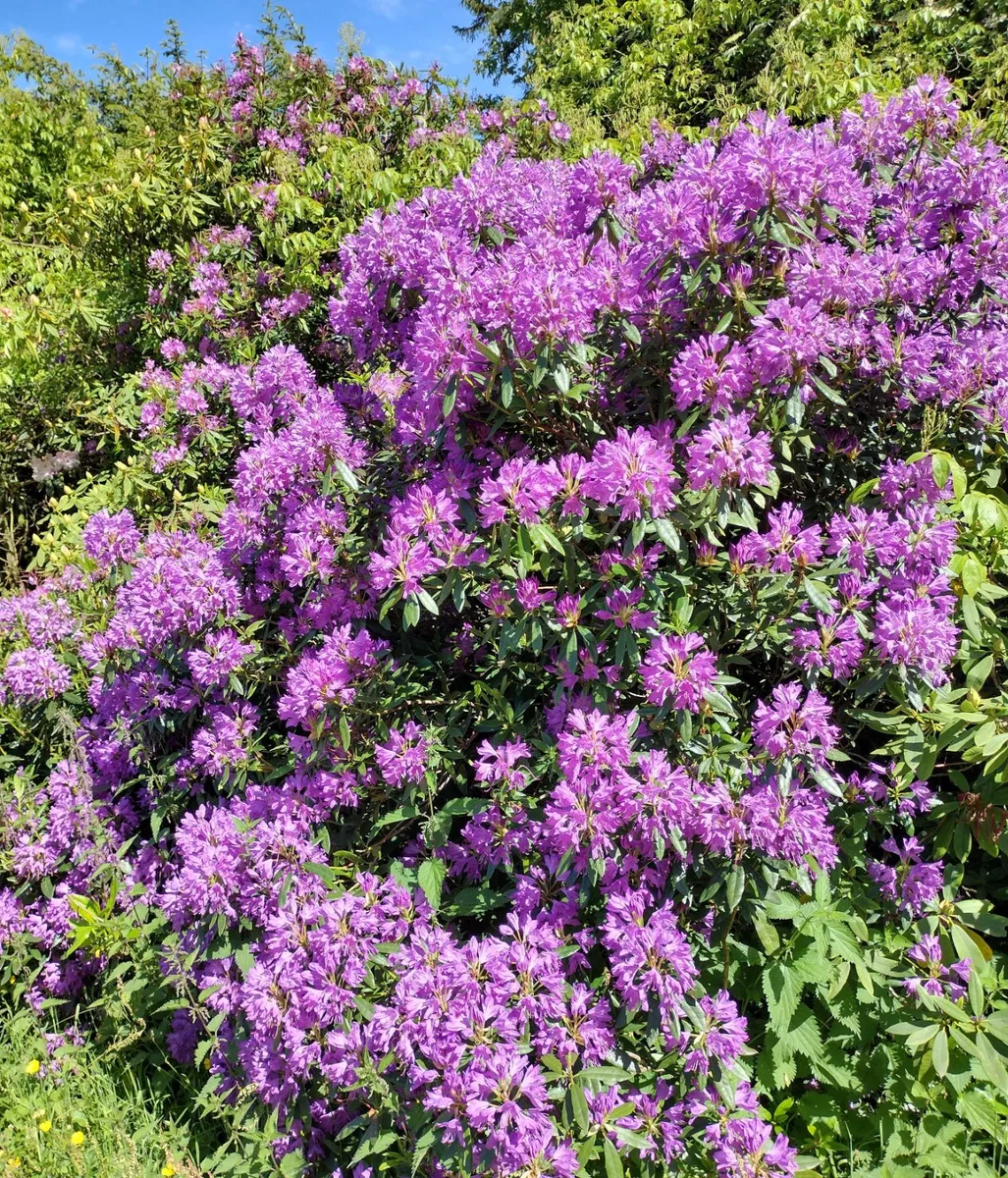
R. ponticum is a densely branched evergreen shrub with tough, leathery, dark green, oval leaves. Produces terminal trusses of 10 to 15 purple, funnel-shaped flowers in spring. Often used as a rootstock, surviving when the grafted variety has died
Scientific classification
- Species
- Pontic rhododendron (Rhododendron ponticum)
- Genus
- Rhododendron
- Family
- Ericaceae
- Order
- Ericales
- Class
- Magnoliopsida
- Phylum
- Magnoliophyta
- Harmful if eaten. Wear gloves and other protective equipment when handling
- Toxicity
- Shrubs
- Plant type
- 2.5-4 metres
- Height
- 2.5-4 metres
- Spread
- Evergreen
- Foliage
- Bushy
- Habit
- Spring · Summer · Autumn · Winter
- Season of interest
- Full shade · Full sun · Partial shade
- Sunlight
- 15 – 25 °C
- Ideal temperature









Pontic rhododendron pictures
Distribution of Pontic rhododendron
Distribution map
- Native
- Introduced
- Cultivated
Source:WCVP v16 · Royal Botanic Gardens, Kew · CC BY 3.0 · Boundaries:WGSRPD / TDWG
Toxicity
Harmful if eaten. Wear gloves and other protective equipment when handling
Pontic rhododendron care guide
- Deep watering for rhododendron roots, acidic soil lightly damp
- Watering
- Full shade · Full sun · Partial shade
- Sunlight
- 15 – 25 °C
- Ideal temperature

Watering
Deep watering for rhododendron roots, acidic soil lightly damp
Fertilizing
 Fertilizing
Acidic ericaceous diluted feed monthly spring through early fall
Pruning
 Pruning
Usually little pruning is needed. Lightly shape if necessary, removing dead, damaged or diseased shoots. Prune after flowering.
Propagation
 Propagation
Spreads naturally by seed and by layering
Growing
 Growing
This plant is listed on Schedule 9 of the UK Wildlife and Countryside Act as an invasive, non-native species. While this does not prevent it from being sold in the UK, or from being grown in gardens, the RHS encourages those that do grow it to take great care with managing it and with disposing of unwanted material. The RHS also encourages gardeners to find alternative plants to grow to those listed on Schedule 9. For suggested alternative plants see the Plantlife/RHS guide: Gardening without harmful invasive plants
Common pests and diseases
Diseases
May be susceptible to various Rhododendron diseases including powdery mildews, rhododendron petal blight, rhododendron bud blast, silver leaf and honey fungus
Pests
May be susceptible to vine weevil, rhododendron and azalea whitefly, rhododendron leafhopper, pieris lacebug, scale insects, caterpillars and aphids
Explore the plant health library →




