
Scots lovage
Also known as: Scotch lovage; sea lovage; sea parsley
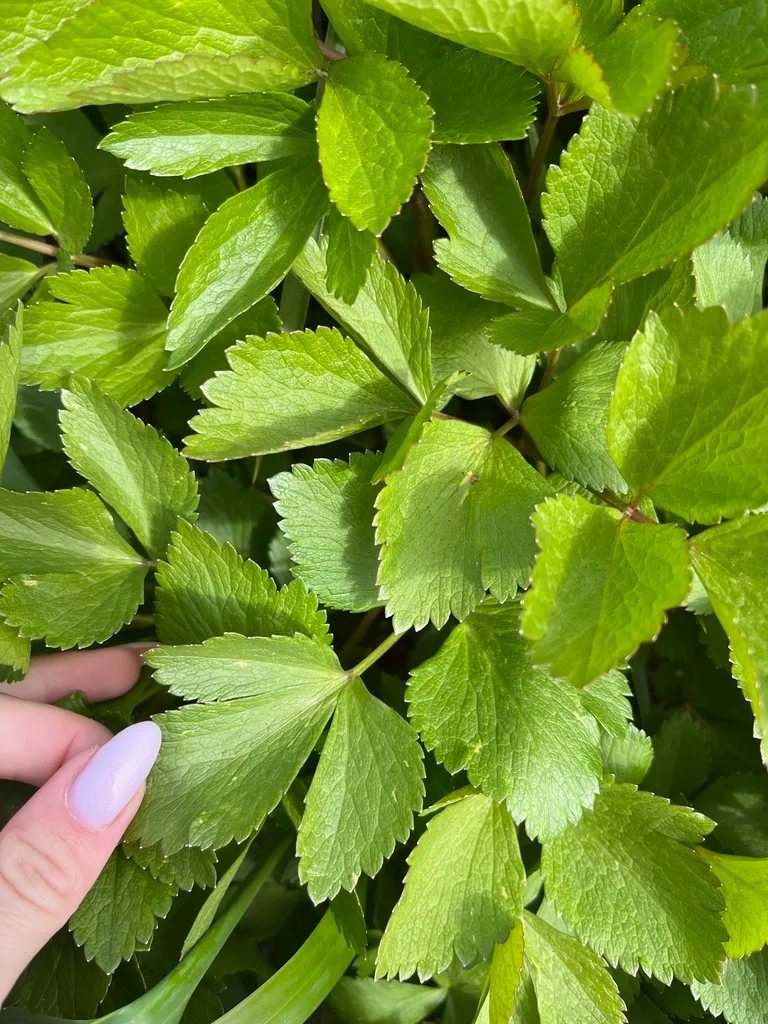
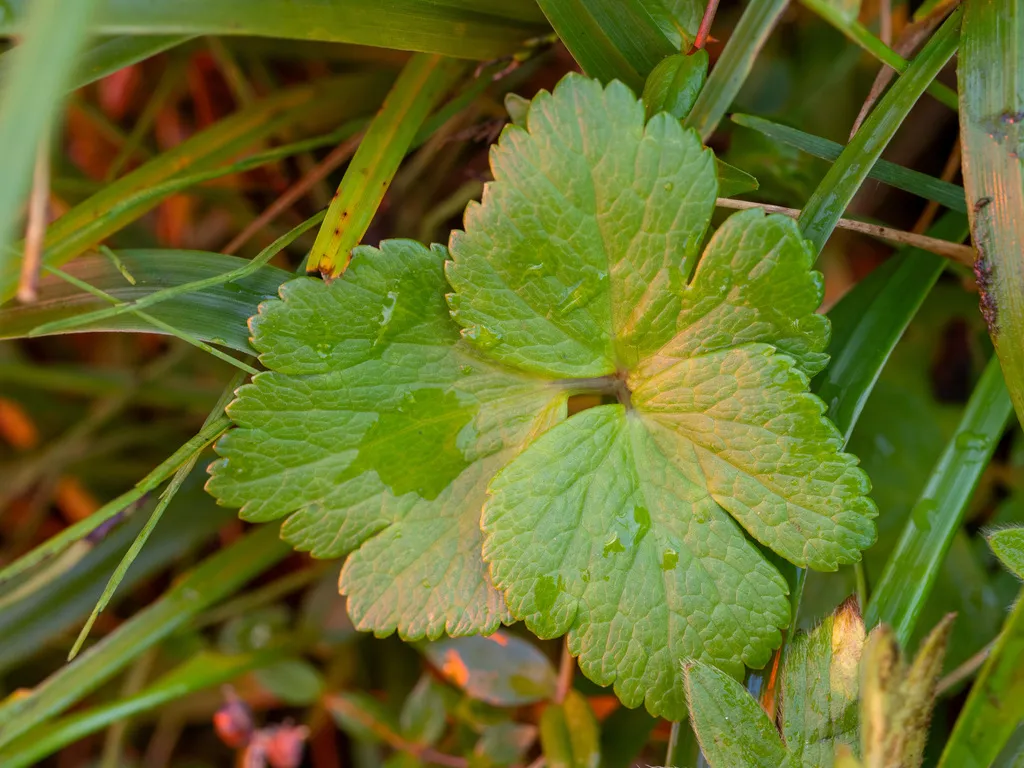
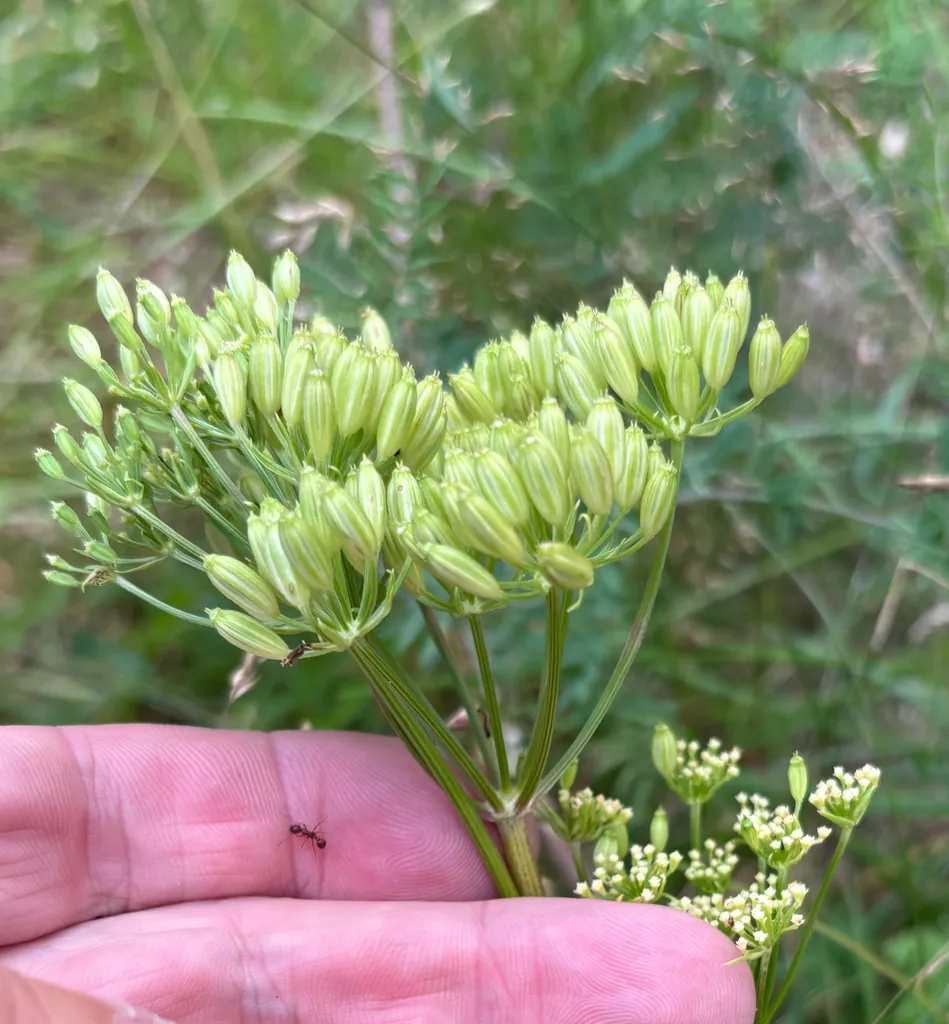
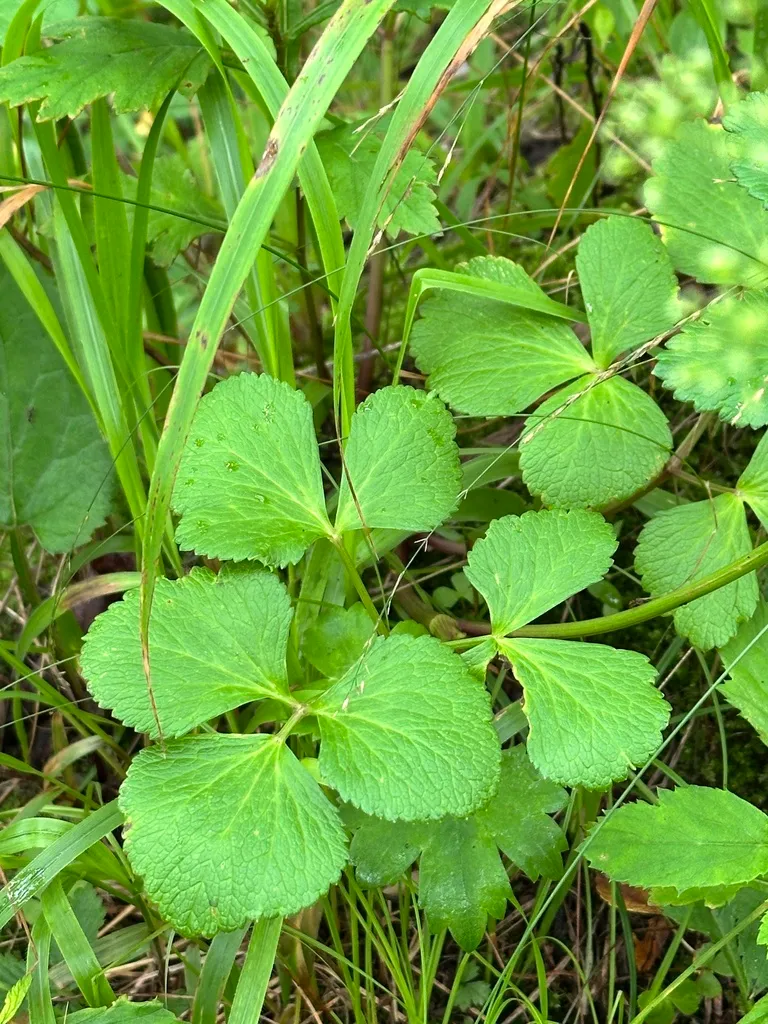
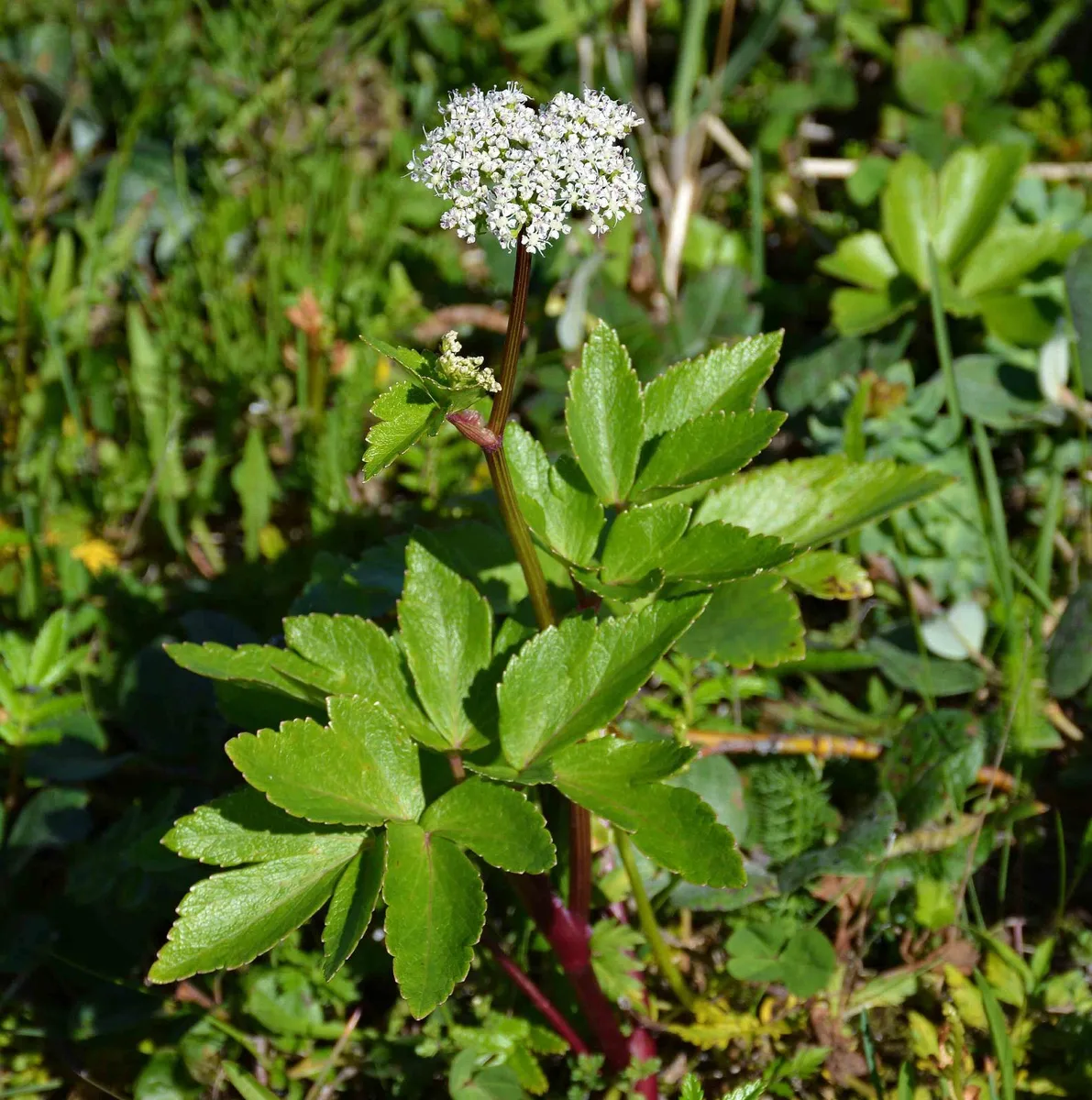
A herbaceous perennial, up to 60cm high, with glossy green leaves divided into three toothed leaflets. Domed clusters of tiny greenish-white flowers are borne on tall reddish stems in summer, followed by yellow seedheads. Used as a culinary herb; all parts of the plant are edible
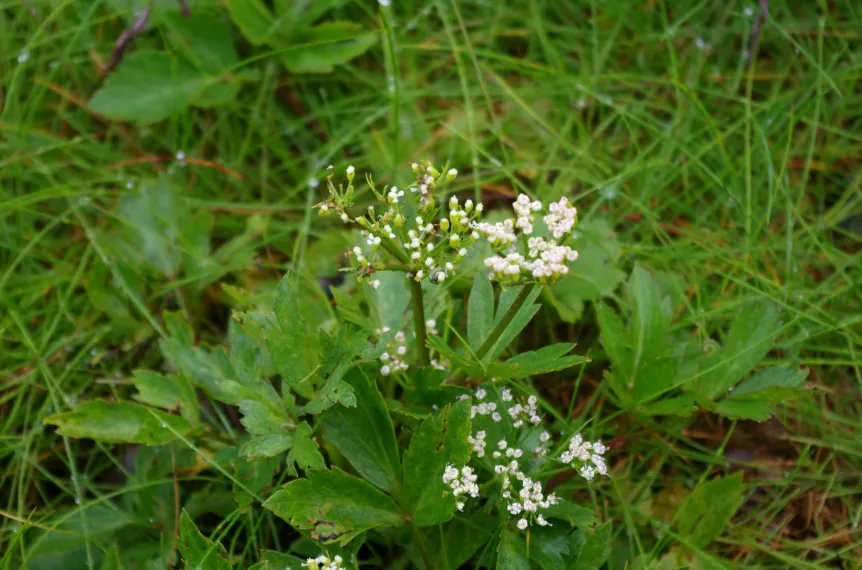
Scientific classification
- Species
- Scots lovage (Ligusticum scothicum)
- Genus
- Ligusticum
- Family
- Apiaceae
- Information to be completed
- Toxicity
- Herbaceous Perennial
- Plant type
- 0.5-1 metres
- Height
- 0.1-0.5 metres
- Spread
- Deciduous
- Foliage
- Clump forming
- Habit
- Spring · Summer · Autumn
- Season of interest
- Full sun
- Sunlight
- Information to be completed
- Ideal temperature









Scots lovage pictures
Distribution of Scots lovage
Distribution map
Northern Eur to Eastern Northern US
Information to be completed
Culture
Information to be completed
Toxicity
Information to be completed
Quick identification of Scots lovage
Information to be completed
Scots lovage care guide
- Consistently damp soil, tolerates light seasonal waterlogging conditions
- Watering
- Full sun
- Sunlight
- Information to be completed
- Ideal temperature

Watering
Consistently damp soil, tolerates light seasonal waterlogging conditions
Fertilizing
 Fertilizing
Diluted general plant feed every three weeks warm growing season
Pruning
 Pruning
No pruning required
Propagation
 Propagation
Propagate by seed, sown as soon as ripe in containers in a cold frame, or in spring with bottom heat at 18°C
Growing
 Growing
Thrives in well-drained soil in full sun, in areas with cooler summers; dislikes excess heat
People also ask
Information to be completed
Common pests and diseases
Diseases
Generally disease-free
Pests
May be susceptible to aphids, celery leaf-mining fly and cuckoo spit
Explore the plant health library →




