
wild privet
Also known as: common privet; prim; prim-cut
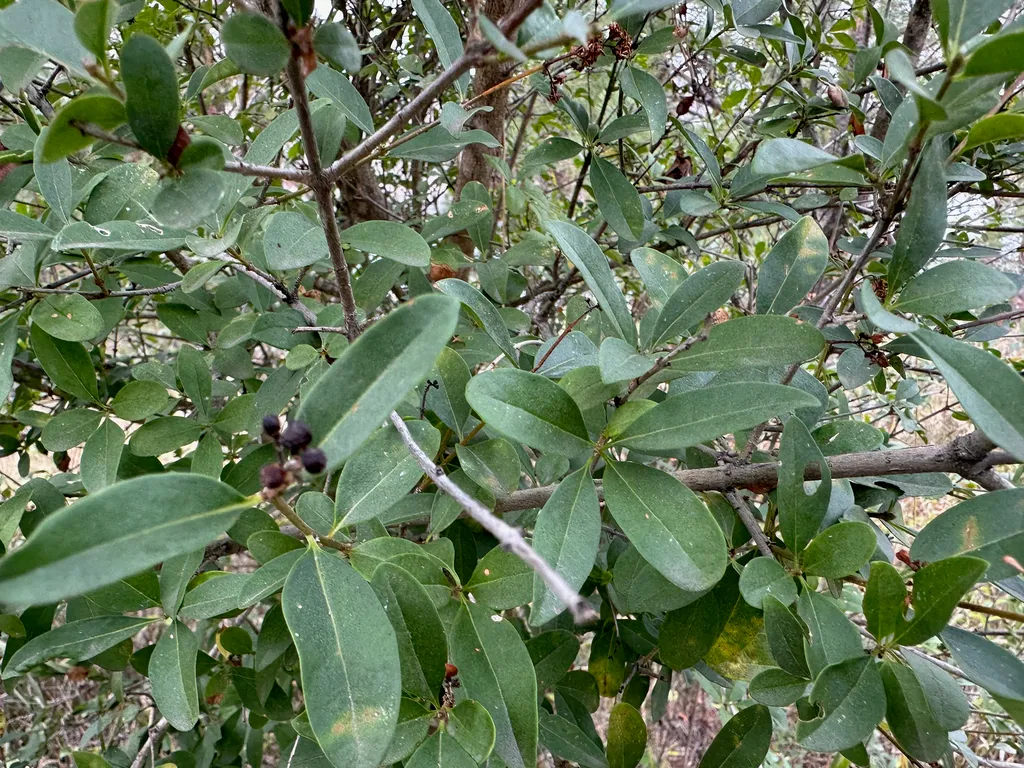
A bushy, deciduous or semi-evergreen shrub with dark green, lance-shaped leaves and terminal panicles of small, white, pungently-scented flowers in summer, followed by small, shining black berries
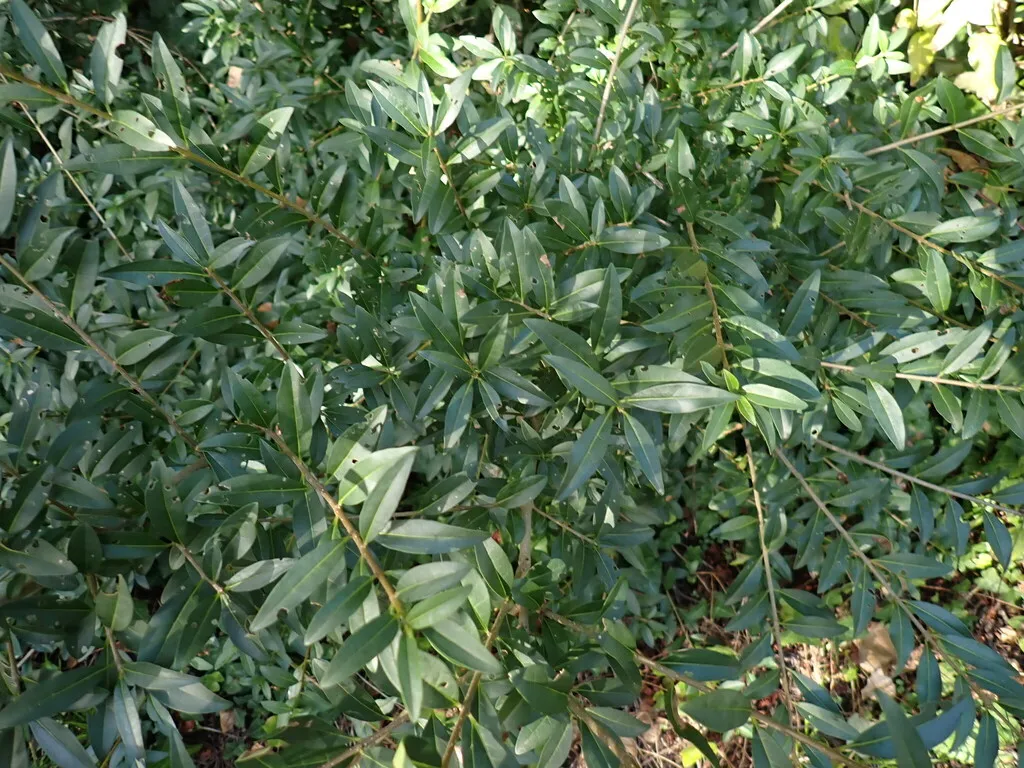
Scientific classification
- Species
- wild privet (Ligustrum vulgare)
- Genus
- Ligustrum
- Family
- Oleaceae
- Harmful if eaten. Wear gloves and other protective equipment when handling
- Toxicity
- Shrubs
- Plant type
- 2.5-4 metres
- Height
- 2.5-4 metres
- Spread
- Deciduous
- Foliage
- Bushy
- Habit
- Spring · Summer · Autumn
- Season of interest
- Full sun · Partial shade
- Sunlight
- Information to be completed
- Ideal temperature









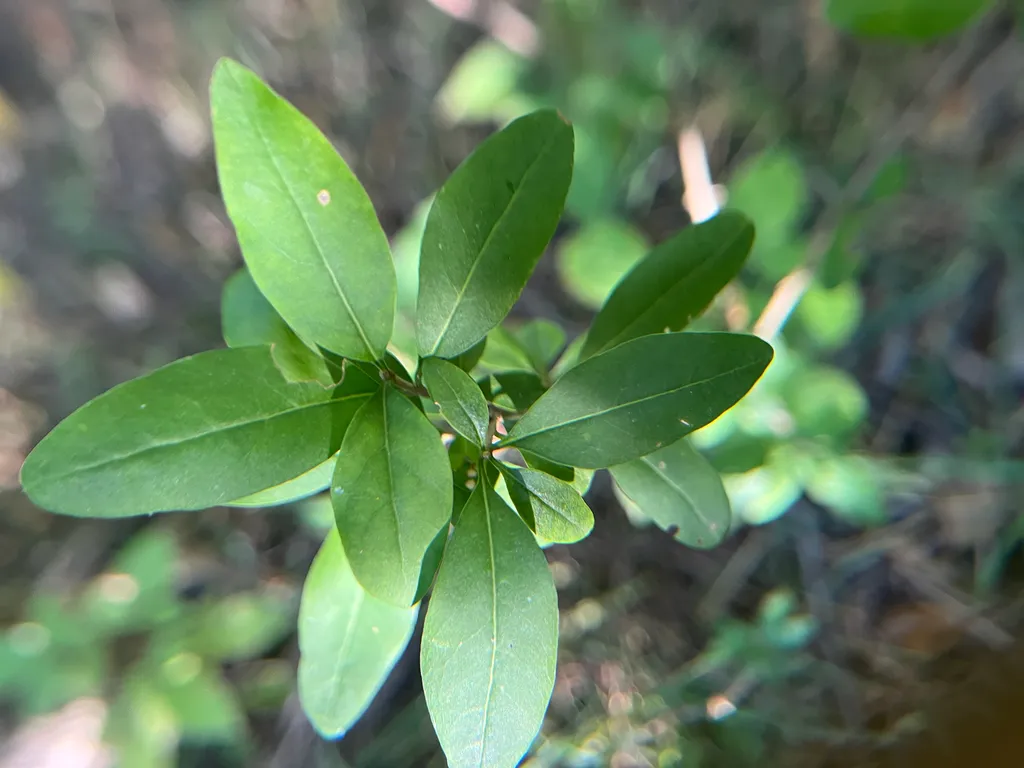
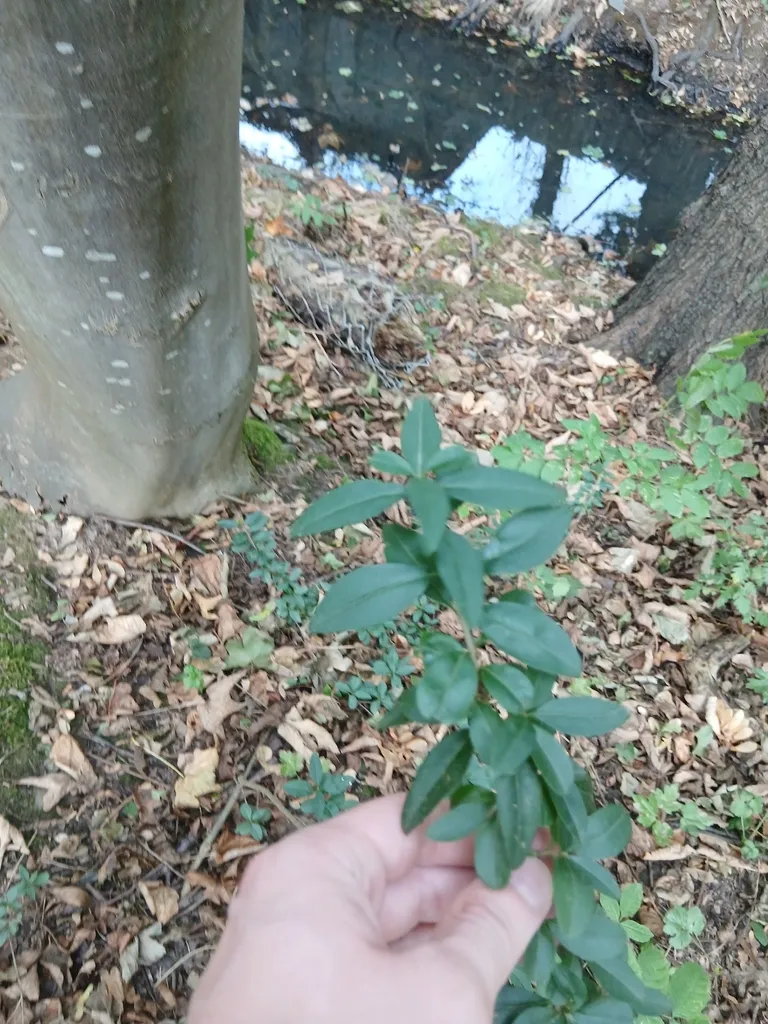
wild privet pictures
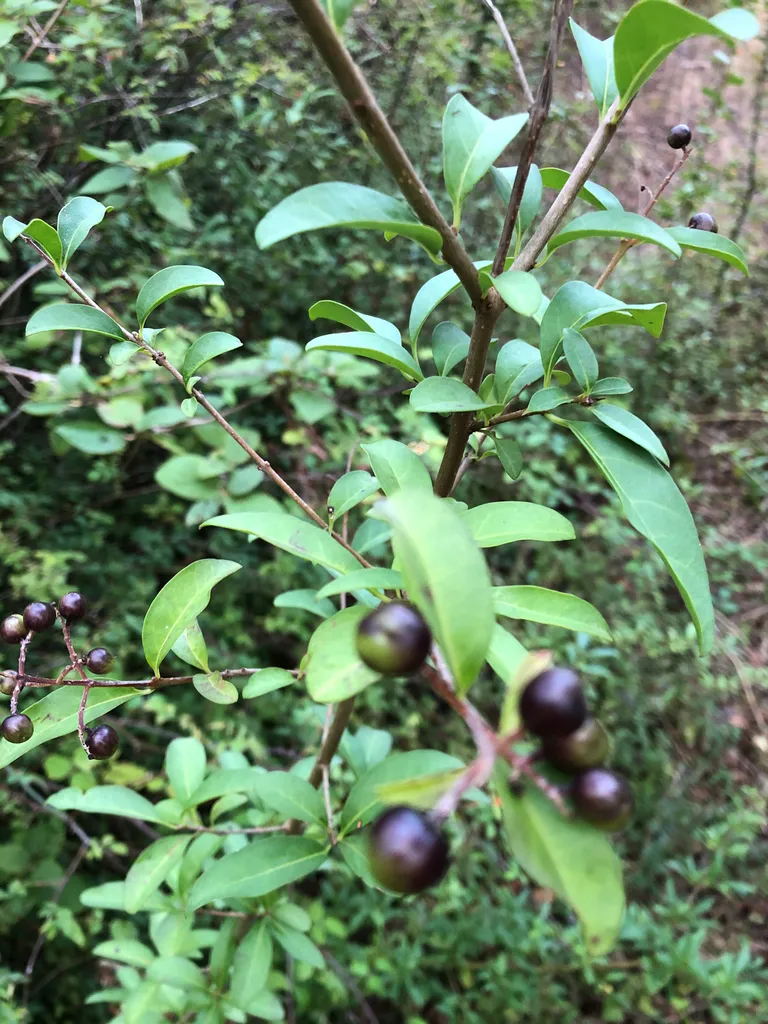
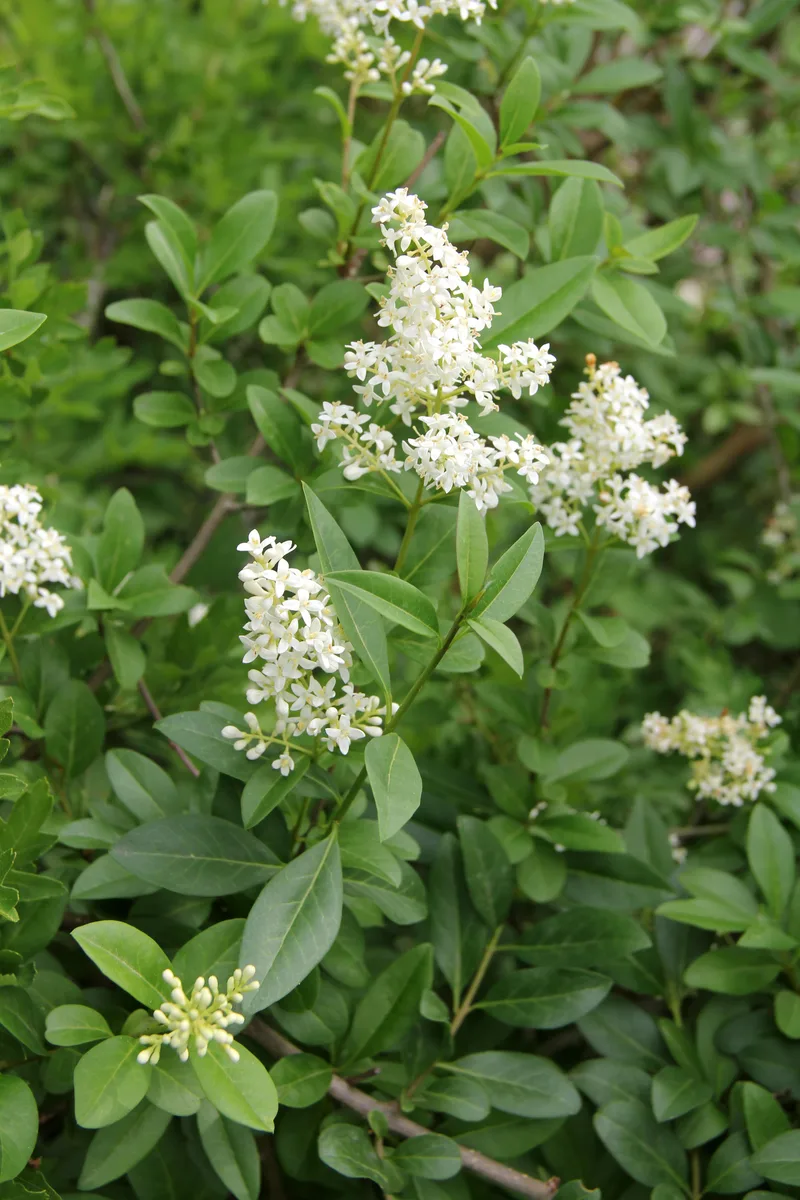
Distribution of wild privet
Distribution map
Europe North Africa Southwestern Asia
Information to be completed
Culture
Information to be completed
Toxicity
Harmful if eaten. Wear gloves and other protective equipment when handling
Quick identification of wild privet
Information to be completed
wild privet care guide
- Moderate regular watering, deeper irrigation during sustained dryness
- Watering
- Full sun · Partial shade
- Sunlight
- Information to be completed
- Ideal temperature

Watering
Moderate regular watering, deeper irrigation during sustained dryness
Fertilizing
 Fertilizing
Shrub slow-release feed applied once yearly at early spring bud break
Pruning
 Pruning
Little pruning is needed. Remove diseased, damaged, crowded or crossing shoots and unwanted growth. Timing depends on the plant: generally late winter or early spring; plants prone to bleeding and deciduous magnolias need different timing, and deciduous azaleas and lilacs are pruned after flowering. Trim hedges twice during summer.
Propagation
 Propagation
Propagate by seed, semi-hardwood and hardwood cuttings
Growing
 Growing
Grow in any well-drained soil in sun or partial shade, often found growing wild on chalky soils. Good for hedging
People also ask
Information to be completed
Common pests and diseases
Diseases
May be susceptible to leaf spots, honey fungus and Verticillium wilt
Pests
May be susceptible to privet aphid, scale insects, leaf-mining moths and Thrips
Explore the plant health library →




