
onion
Also known as: tree onion; shallot
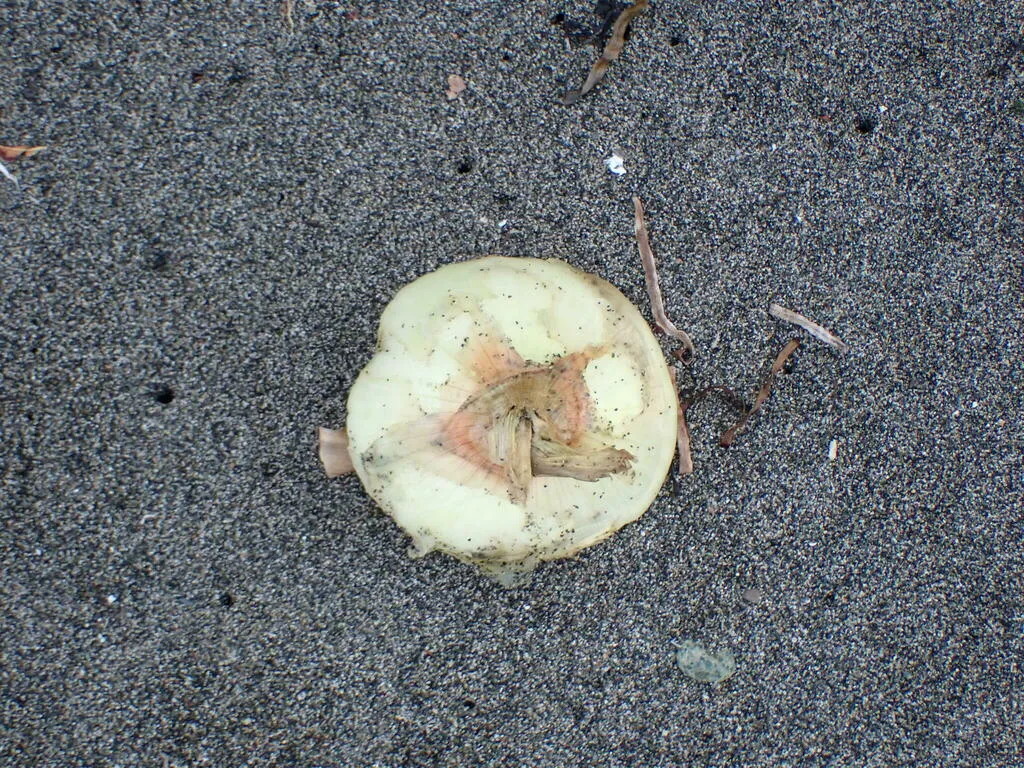
This is the original plant from which many varieties of onion, shallot and spring onion have been bred. It has hollow green or blue-green fleshy, deciduous leaves which are edible when young. The bulb will vary in size, shape, colour depending on the cultivar
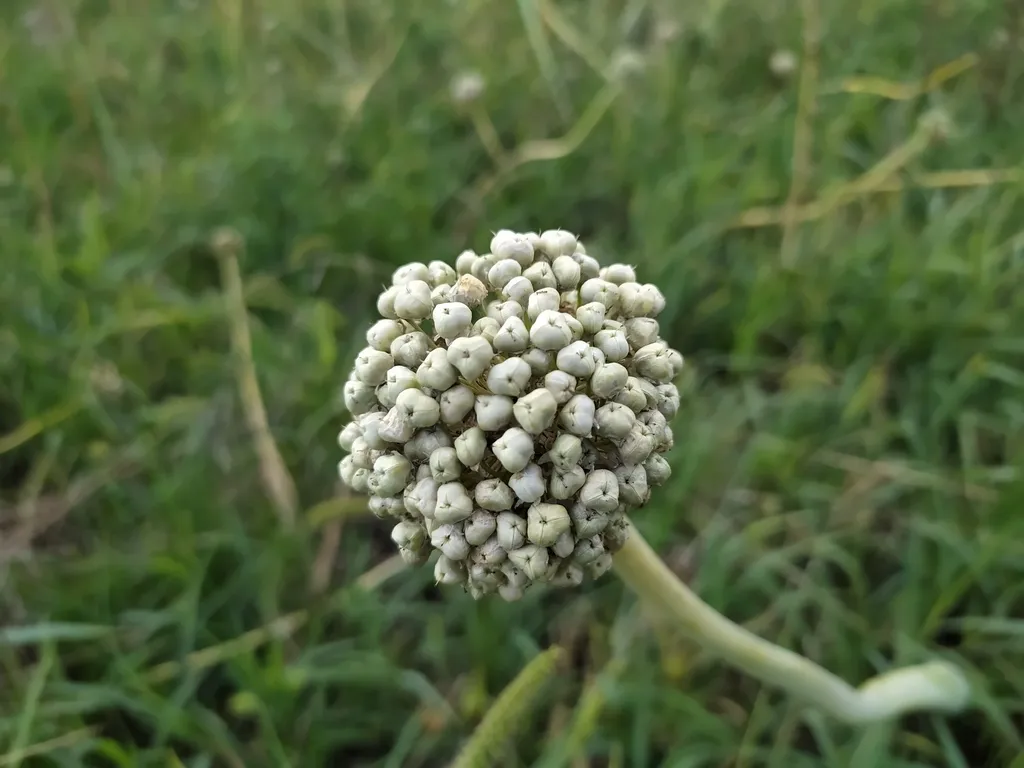
Scientific classification
- Species
- onion (Allium cepa)
- Genus
- Allium
- Family
- Amaryllidaceae
- Information to be completed
- Toxicity
- Herbs - Culinary · Bulbs
- Plant type
- 0.1-0.5 metres
- Height
- 0.1-0.5 metres
- Spread
- Deciduous
- Foliage
- Clump forming
- Habit
- Spring · Autumn · Summer
- Season of interest
- Full sun
- Sunlight
- Information to be completed
- Ideal temperature









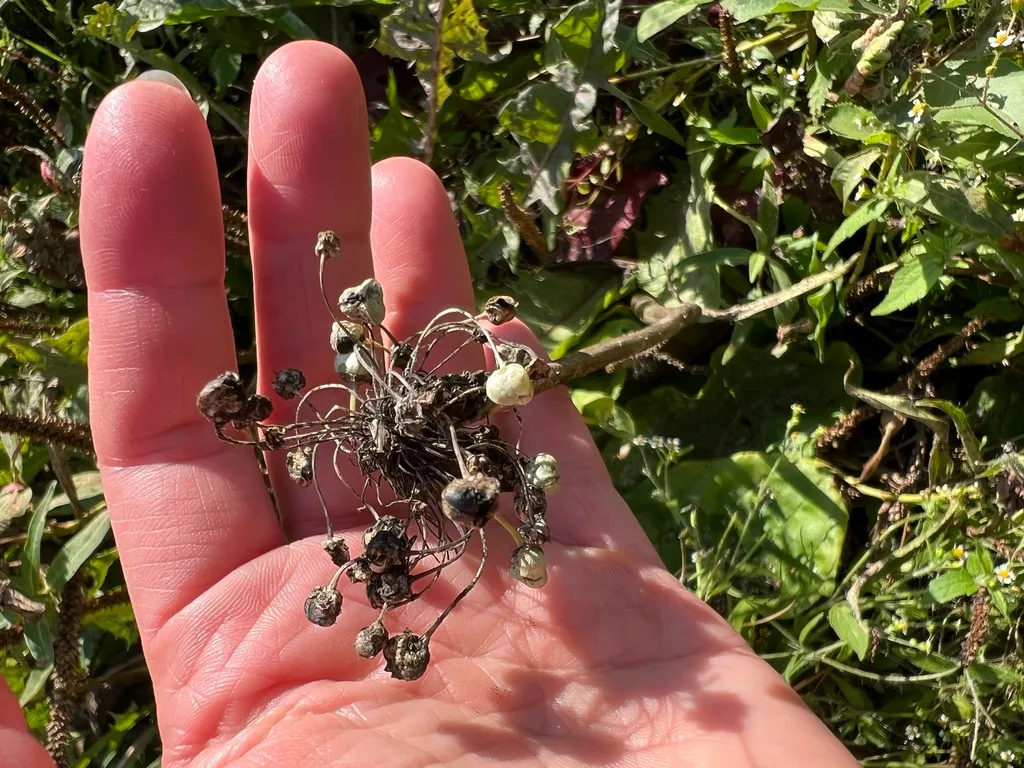
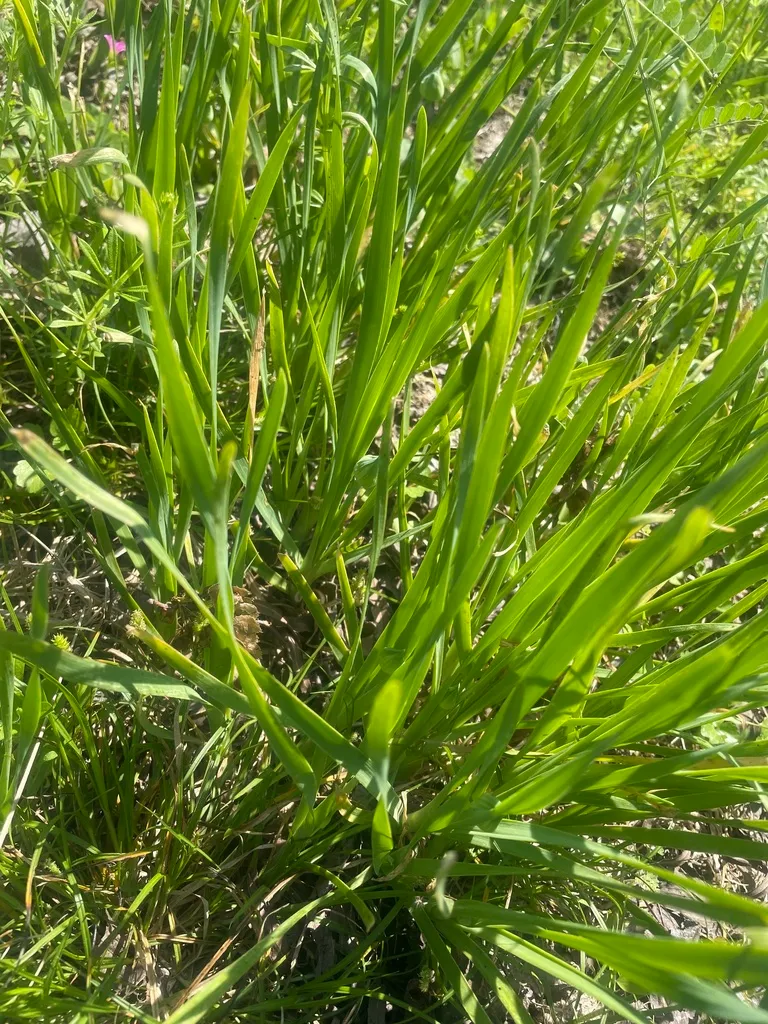
onion pictures
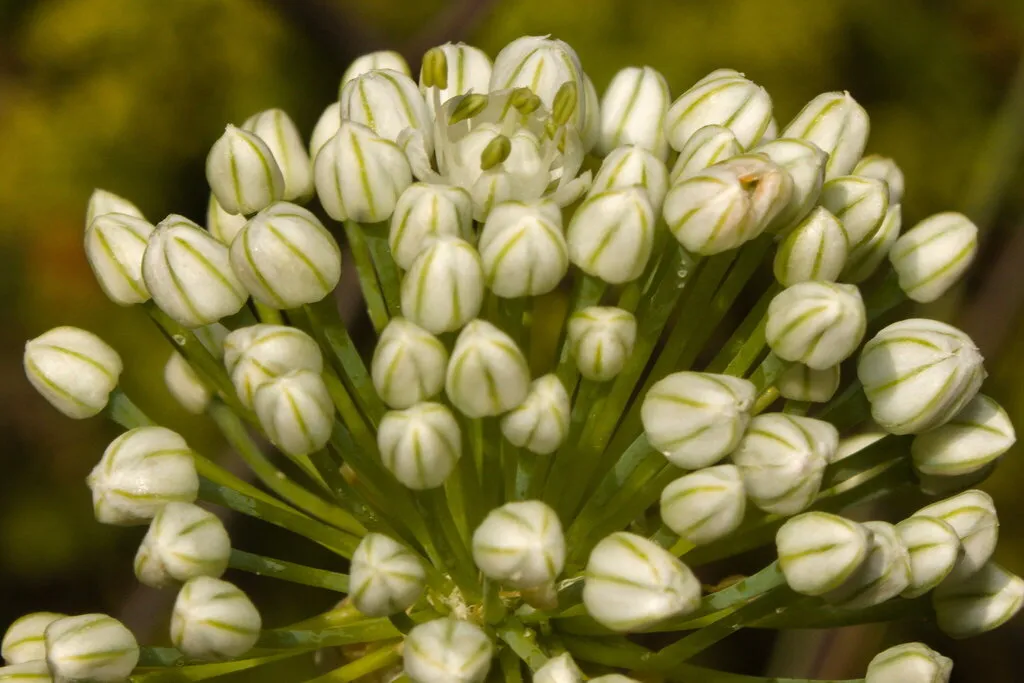
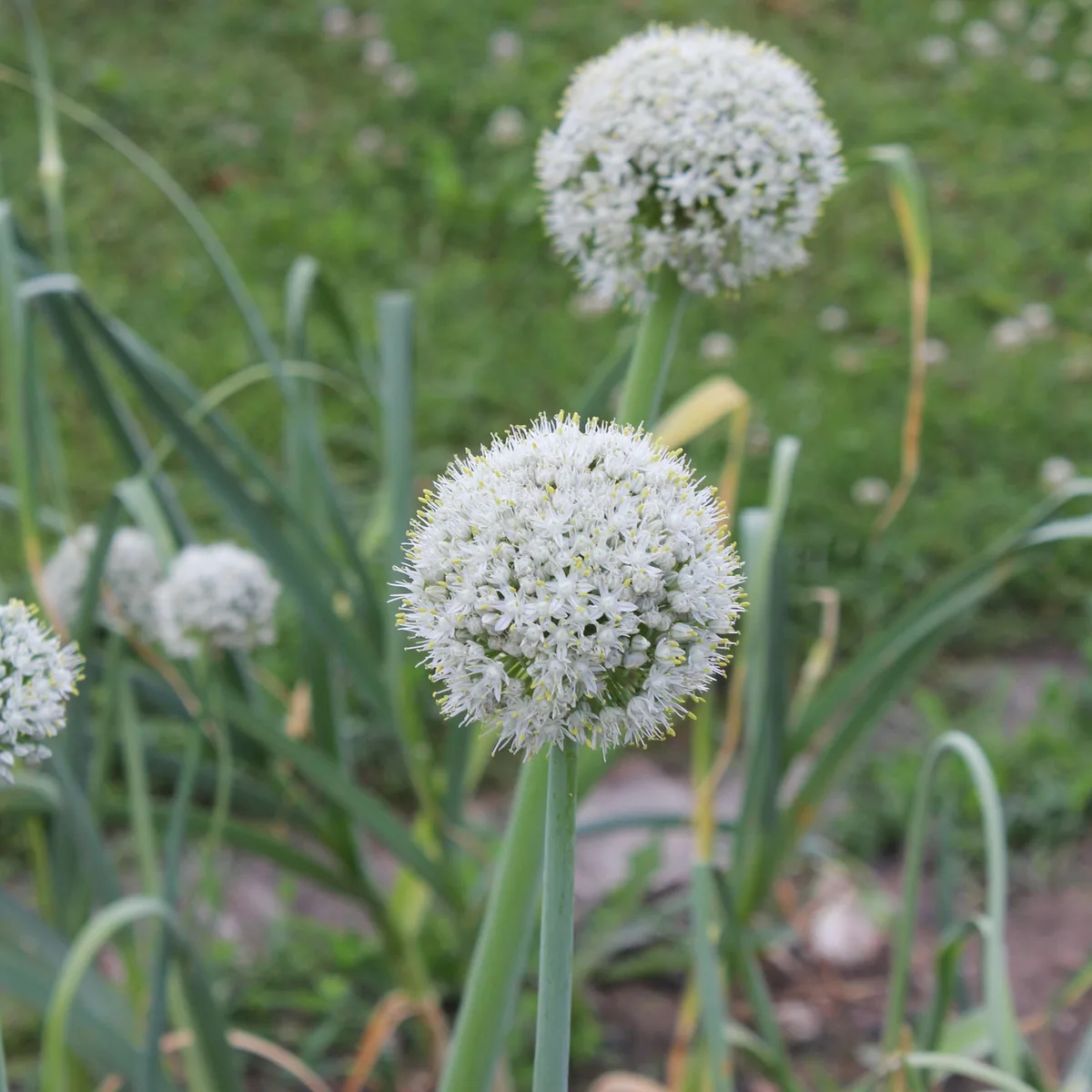
Distribution of onion
Distribution map
Information to be completed
Information to be completed
Culture
Information to be completed
Toxicity
Information to be completed
Quick identification of onion
Information to be completed
onion care guide
- Regular even watering maintain damp soil, frequent supply leaf growth stage
- Watering
- Full sun
- Sunlight
- Information to be completed
- Ideal temperature

Watering
Regular even watering maintain damp soil, frequent supply leaf growth stage
Fertilizing
 Fertilizing
Weak bulb liquid feed applied once before spring leaf emergence phase
Pruning
 Pruning
No pruning required
Propagation
 Propagation
Propagate by seed or by onion sets. See how to grow: onions or sowing vegetable seeds
Growing
 Growing
Grow in fertile, moisture retentive, but well-drained soil in full sun. Thin-out young plants growing from seeds in spring. Yellowing and toppling of the foliage is a sign that the shallots are reaching maturity. Lift and store in a cool dry place. See how to grow: onions for further advice
People also ask
Information to be completed
Common pests and diseases
Diseases
May be susceptible to onion white rot, onion downy mildew, leek rust and onion neck rot. Bolting, producing flowers, may be a problem
Pests
May be susceptible to onion fly, leek moth and narcissus eelworm
Explore the plant health library →




