
hoary willow
Also known as: olive willow; rosemary willow
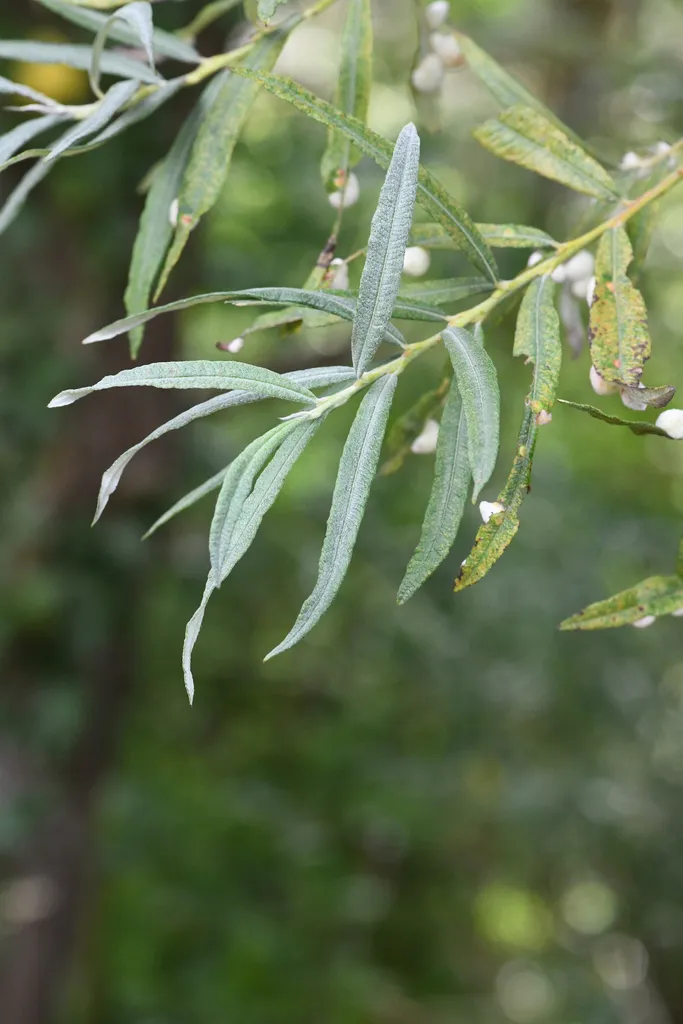
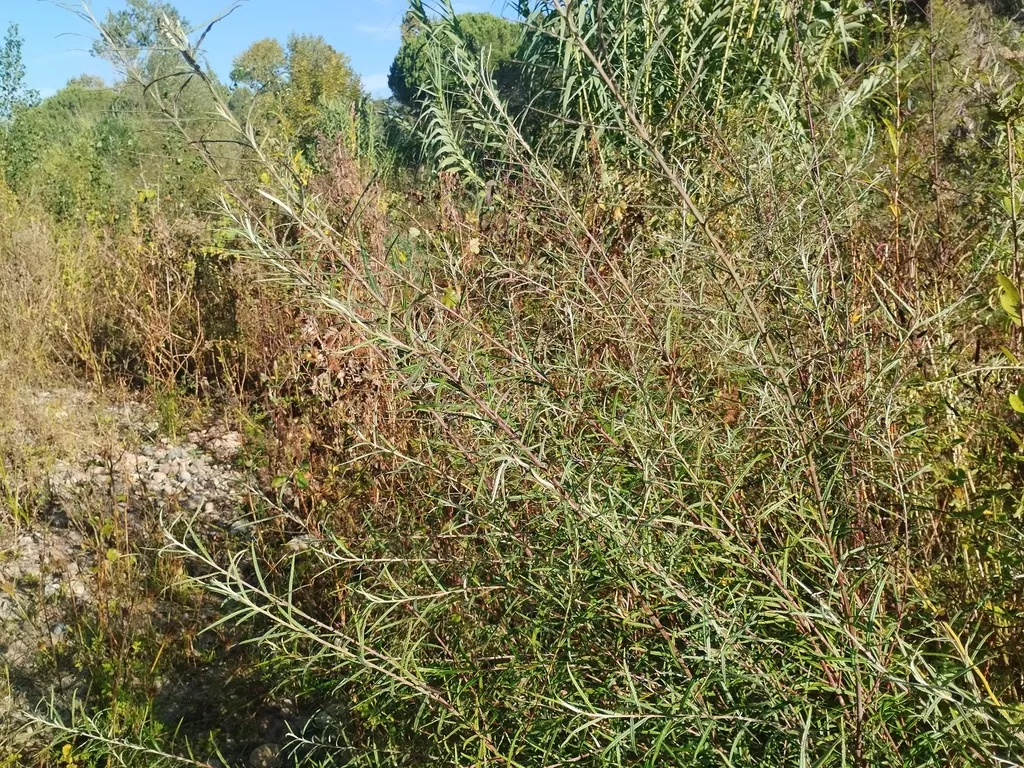
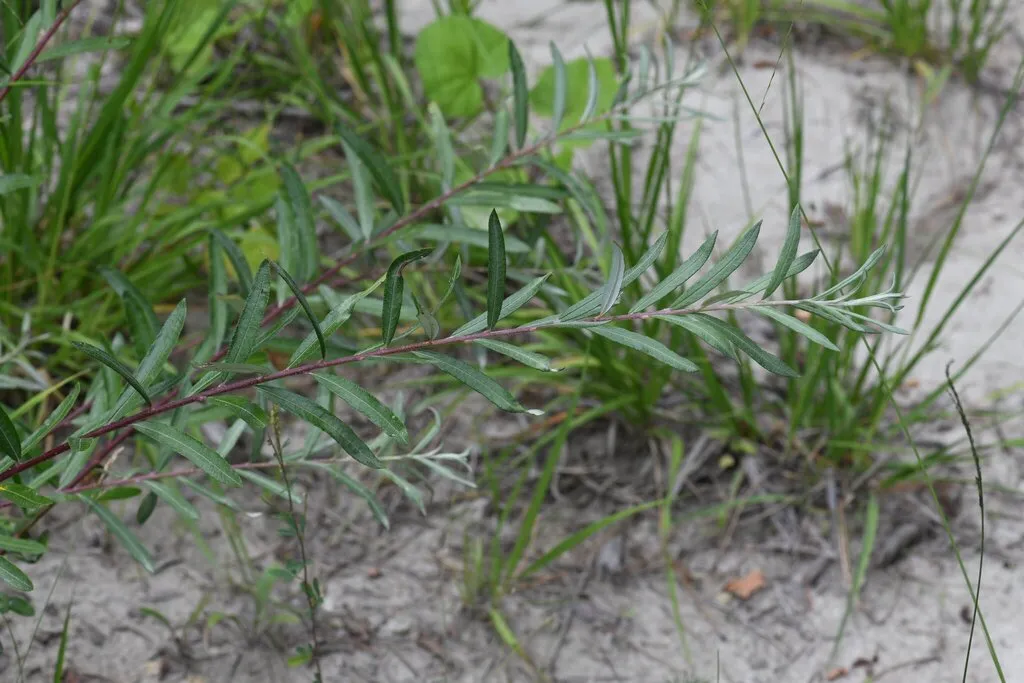
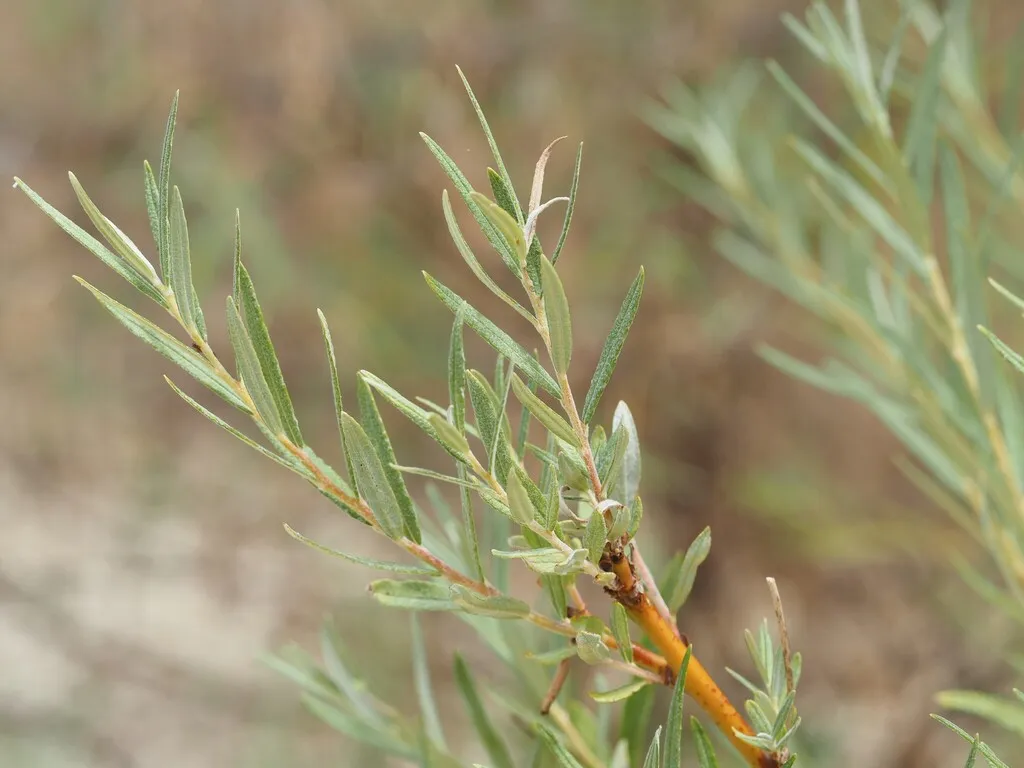
A large, vigorous deciduous shrub or small tree, with a rounded, spreading habit, downy new shoots and narrowly elliptic, glossy dark green leaves with grey felting underneath. Slender green catkins appear alongside the new leaves in spring; male catkins have yellow anthers
Scientific classification
- Species
- hoary willow (Salix eleagnos)
- Genus
- Salix
- Family
- Salicaceae
- Order
- Malpighiales
- Class
- Magnoliopsida
- Phylum
- Tracheophyta
- Information to be completed
- Toxicity
- Shrubs · Trees
- Plant type
- 8-12 metres
- Height
- 4-8 metres
- Spread
- Deciduous
- Foliage
- Bushy
- Habit
- Autumn · Spring · Summer
- Season of interest
- Full sun
- Sunlight
- Information to be completed
- Ideal temperature









hoary willow pictures
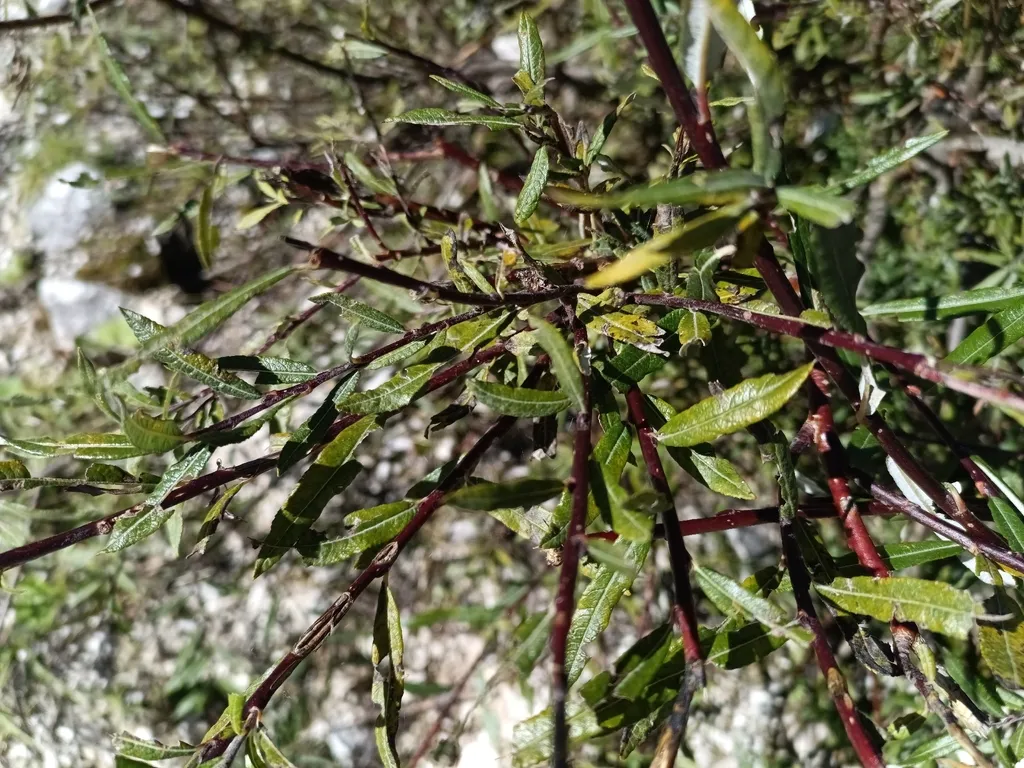
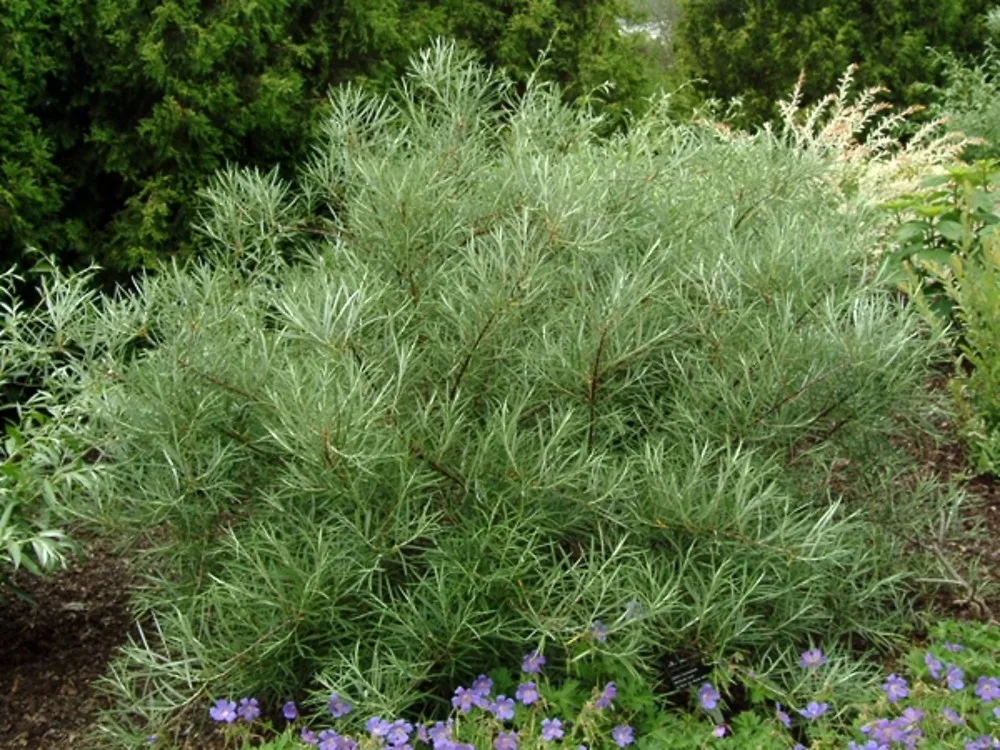
Distribution of hoary willow
Distribution map
- Native
- Introduced
- Cultivated
Source:WCVP v16 · Royal Botanic Gardens, Kew · CC BY 3.0 · Boundaries:WGSRPD / TDWG
hoary willow care guide
- Deep occasional watering, tolerate seasonal dry soil intervals
- Watering
- Full sun
- Sunlight

Watering
Deep occasional watering, tolerate seasonal dry soil intervals
Fertilizing
 Fertilizing
General deciduous tree fertilizer supplied once early spring
Pruning
 Pruning
Little pruning is needed. Remove diseased, damaged, crowded or crossing shoots and unwanted growth. Timing depends on the plant: generally late winter or early spring; plants prone to bleeding and deciduous magnolias need different timing, and deciduous azaleas and lilacs are pruned after flowering.
Propagation
 Propagation
Propagate by softwood cuttings in early summer or hardwood cuttings in winter
Growing
 Growing
Grow in any deep, moist but well-drained soil in full sun. Avoid shallow chalk soil
Common pests and diseases
Diseases
May be susceptible to willow anthracnose, honey fungus and rust diseases
Pests
May be susceptible to aphids, caterpillars, willow leaf beetle, sawflies and willow scale insects
Explore the plant health library →




