
Begonia 'Tiny Gem'
Also known as: Information to be completed
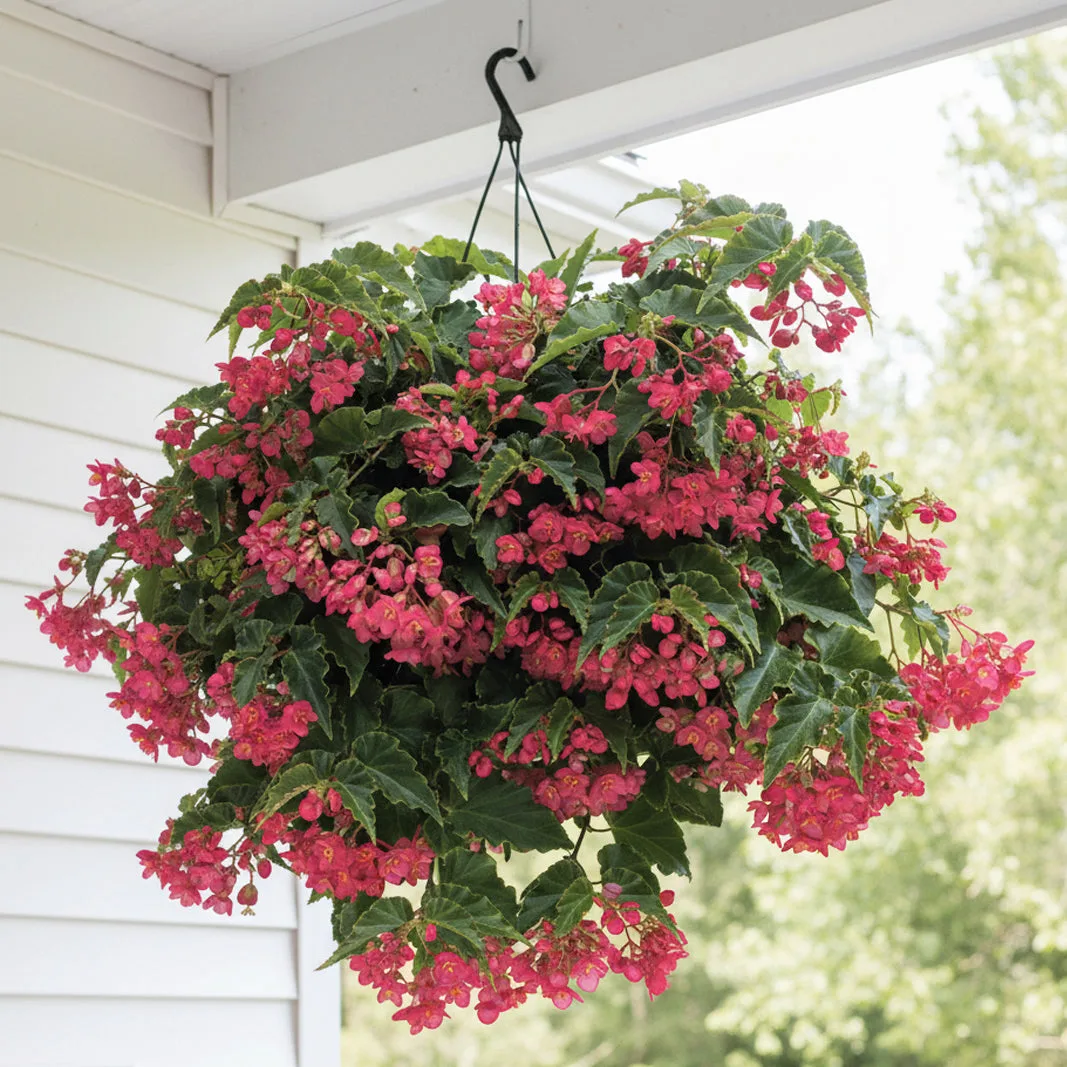
A compact perennial, forming a low mound of trailing stems and asymmetric, glossy green leaves with wavy edges. Small clusters of deep pink flowers are produced throughout the year
Scientific classification
- Species
- Begonia 'Tiny Gem' (Begonia 'Tiny Gem')
- Genus
- Begonia
- Family
- Begoniaceae
- Information to be completed
- Toxicity
- Houseplants · Herbaceous Perennial
- Plant type
- Information to be completed
- Height
- Information to be completed
- Spread
- Evergreen
- Foliage
- Trailing
- Habit
- Spring · Summer · Autumn · Winter
- Season of interest
- Full sun · Partial shade
- Sunlight
- Information to be completed
- Ideal temperature









Begonia 'Tiny Gem' pictures
Distribution of Begonia 'Tiny Gem'
Distribution map
Information to be completed
Information to be completed
Culture
Information to be completed
Toxicity
Information to be completed
Quick identification of Begonia 'Tiny Gem'
Information to be completed
Begonia 'Tiny Gem' care guide
- Moderate regular watering, allowing brief slight drying between soakings
- Watering
- Full sun · Partial shade
- Sunlight
- Information to be completed
- Ideal temperature

Watering
Moderate regular watering, allowing brief slight drying between soakings
Fertilizing
 Fertilizing
Balanced perennial feed every four weeks from spring through summer
Pruning
 Pruning
Remove faded flowers and leaves as necessary
Propagation
 Propagation
Propagate by basal or stem-tip softwood cuttings in spring, and leaf cuttings in late spring or early summer, using a propagating case
Growing
 Growing
Grow in fertile, moist but well-drained potting compost, in full sun or part shade, as a houseplant or in containers that can be moved indoors over winter. Ideal for hanging baskets. See begonias: outdoors for more detailed advice
People also ask
Information to be completed
Common pests and diseases
Diseases
May be susceptible to grey moulds (botrytis), powdery mildews and stem rot
Pests
May be susceptible to caterpillars, mealybugs, mites, thrips, vine weevil and aphids
Explore the plant health library →




