
orange clock vine
Also known as: Information to be completed
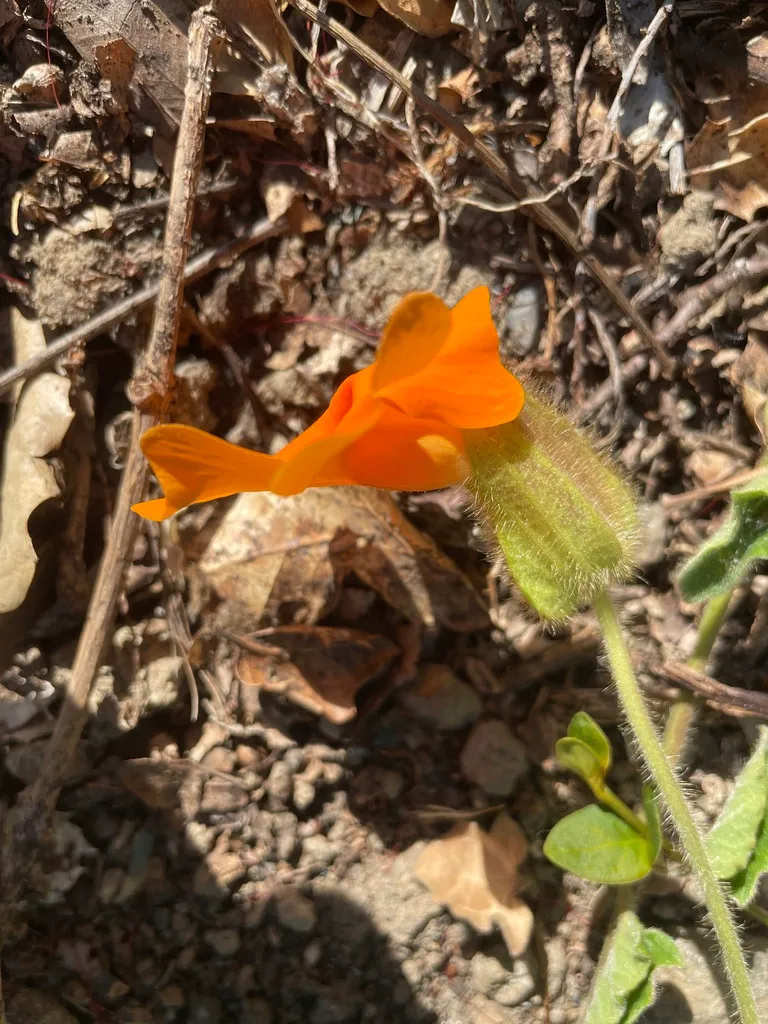
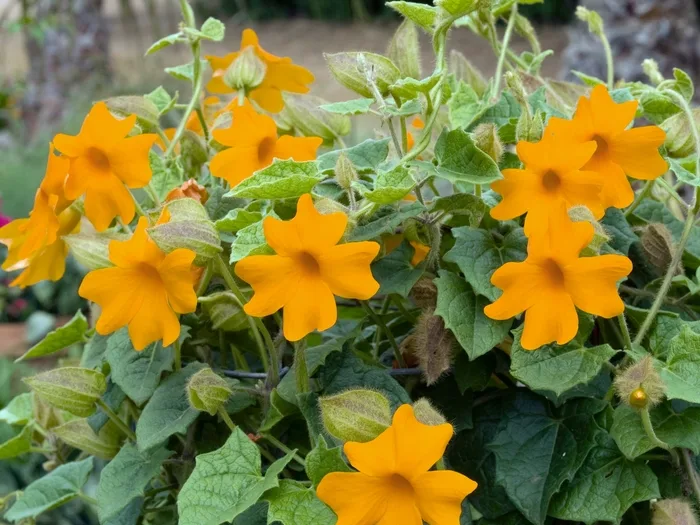
T. gregorii is a twining woody-based perennial, often grown as an annual, with triangular-ovate leaves and salver-shaped, rich orange flowers 4cm across in summer
Scientific classification
- Species
- orange clock vine (Thunbergia gregorii)
- Genus
- Thunbergia
- Family
- Acanthaceae
- Order
- Lamiales
- Class
- Magnoliopsida
- Phylum
- Magnoliophyta
- Information to be completed
- Toxicity
- Climber Wall Shrub · Conservatory Greenhouse · Annual Biennial
- Plant type
- 2.5-4 metres
- Height
- 1-1.5 metres
- Spread
- Evergreen
- Foliage
- Climbing
- Habit
- Spring · Summer · Autumn · Winter
- Season of interest
- Full sun
- Sunlight
- Information to be completed
- Ideal temperature









orange clock vine pictures
Distribution of orange clock vine
Distribution map
- Native
- Introduced
- Cultivated
Source:WCVP v16 · Royal Botanic Gardens, Kew · CC BY 3.0 · Boundaries:WGSRPD / TDWG
orange clock vine care guide
- Moderate regular watering, allowing slight drying between waterings
- Watering
- Full sun
- Sunlight

Watering
Moderate regular watering, allowing slight drying between waterings
Fertilizing
 Fertilizing
Balanced feed monthly during active growth season
Propagation
 Propagation
Propagate by seed or softwood cuttings
Growing
 Growing
Grow under glass in a loam-based potting compost in bright filtered light with shade from hot sun. When in growth water moderately and apply a balanced liquid fertilizer monthly. Water sparingly at other times. Can be grown outside during the summer months
Common pests and diseases
Diseases
Generally disease free
Pests
May be attacked by glasshouse whitefly, glasshouse red spider mite, aphids and scale insects when grown under glass
Explore the plant health library →




