
scarlet sage
Also known as: bonfire flower; firecrackers; globe of fire
S. splendens is a compact, upright perennial usually grown as an annual, with oval leaves and dense spikes of tubular scarlet flowers with large red bracts, over a long period in summer and autumn
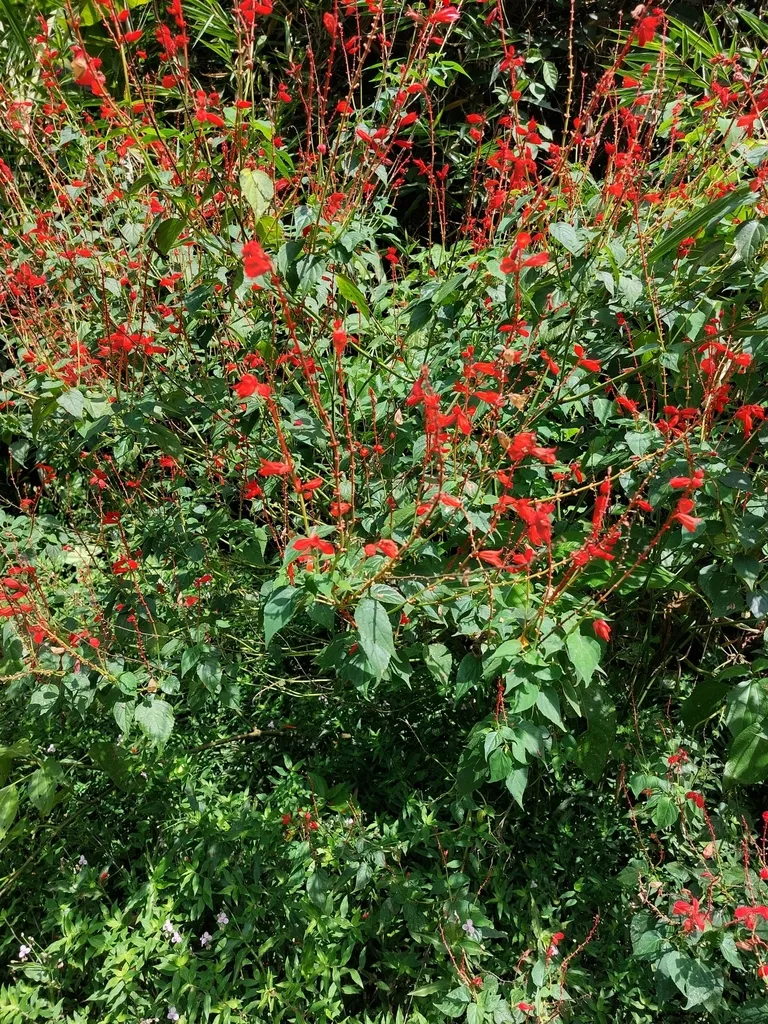
Scientific classification
- Species
- scarlet sage (Salvia splendens)
- Genus
- Salvia
- Family
- Lamiaceae
- Information to be completed
- Toxicity
- Annual Biennial
- Plant type
- 0.1-0.5 metres
- Height
- 0.1-0.5 metres
- Spread
- Deciduous
- Foliage
- Bushy
- Habit
- Spring · Summer · Autumn
- Season of interest
- Full sun
- Sunlight
- Information to be completed
- Ideal temperature









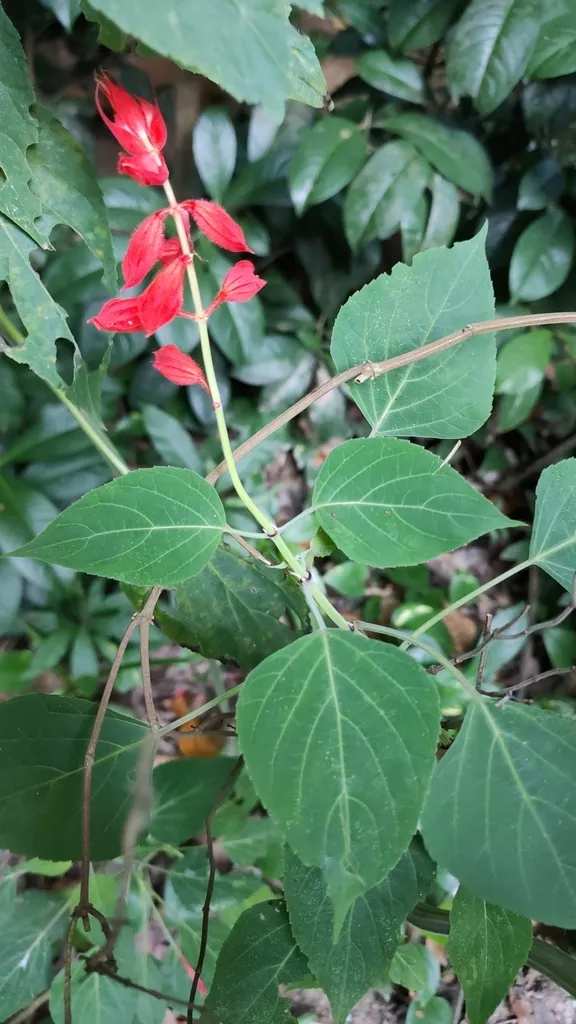
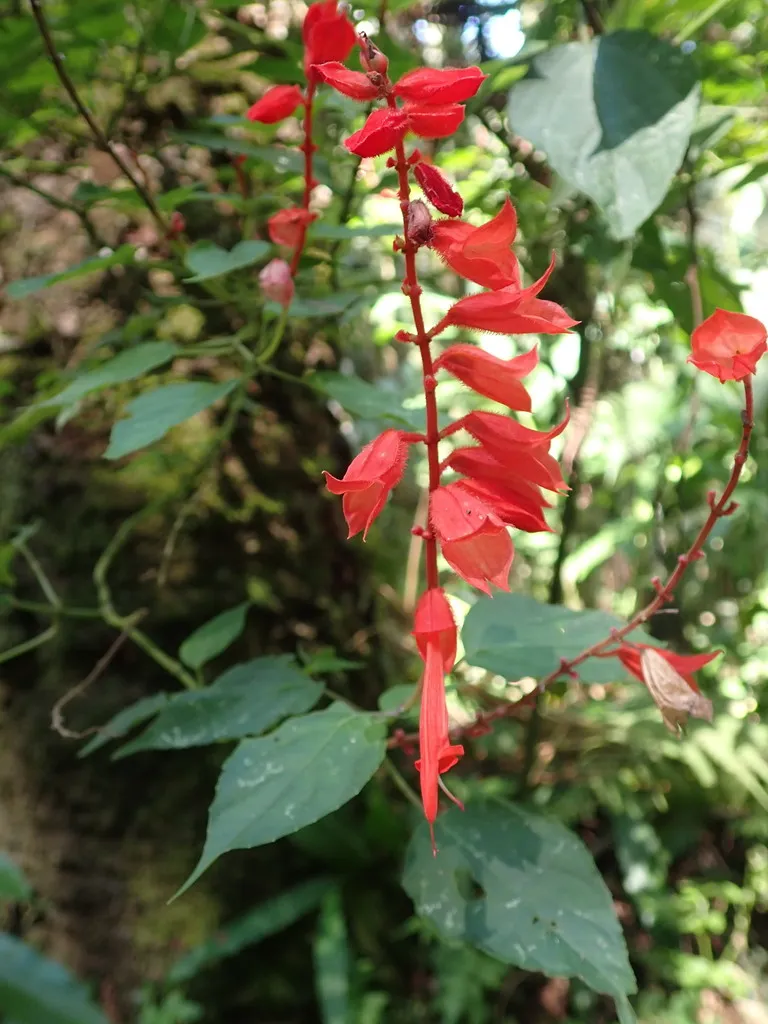
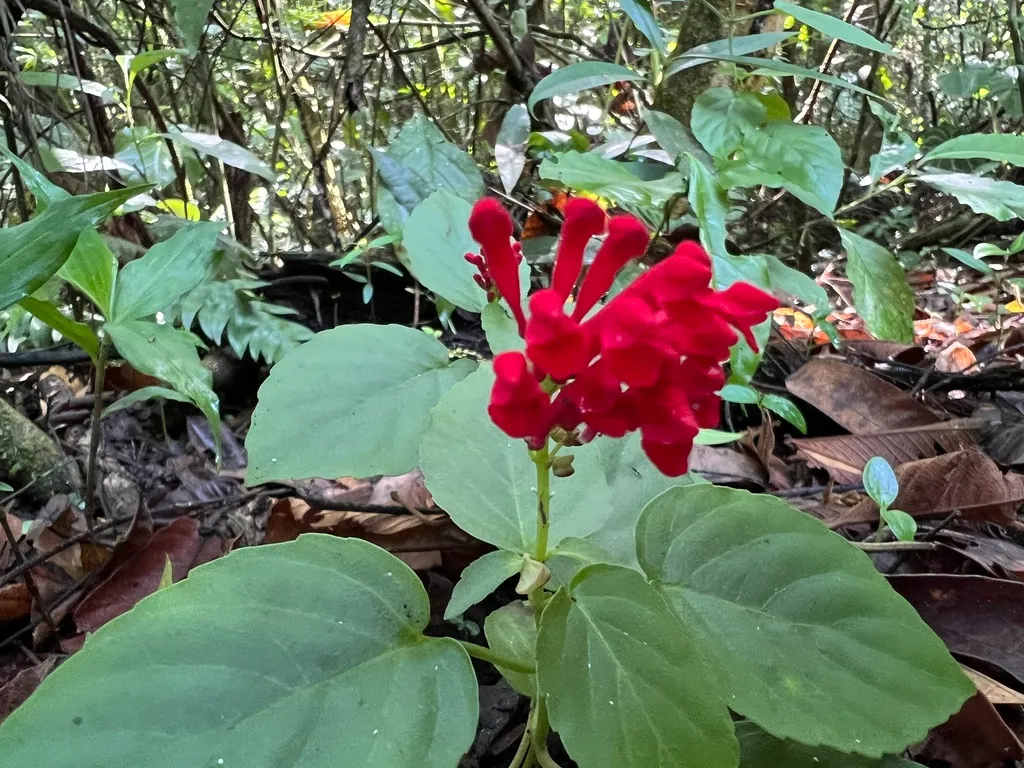
scarlet sage pictures
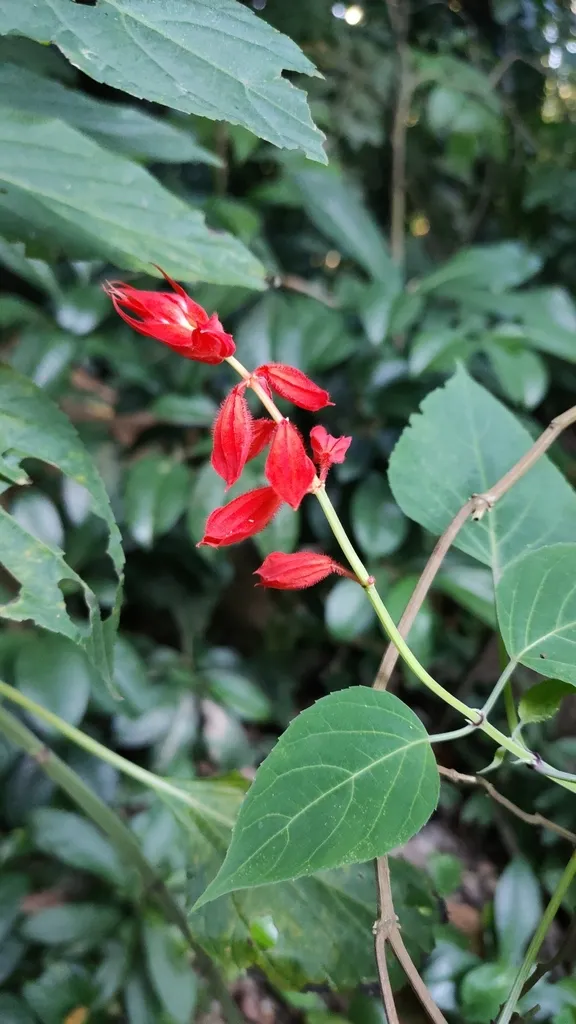
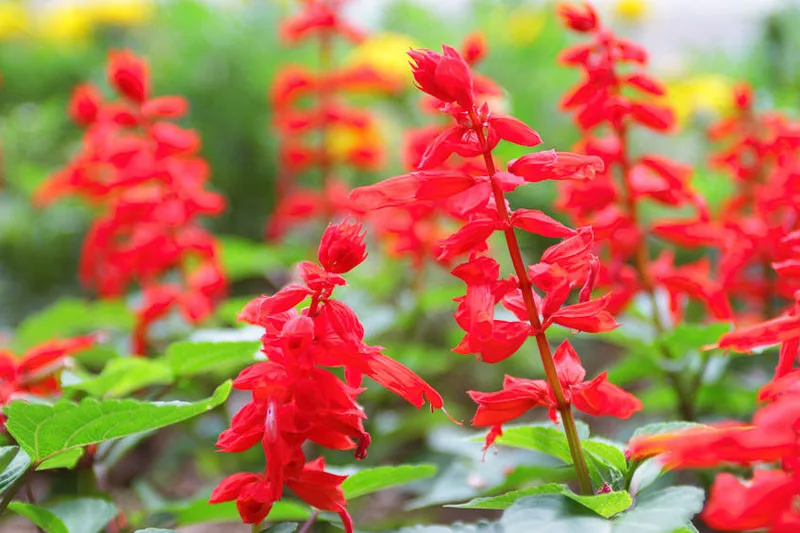
Distribution of scarlet sage
Distribution map
South America
Information to be completed
Culture
Information to be completed
Toxicity
Information to be completed
Quick identification of scarlet sage
Information to be completed
scarlet sage care guide
- Moderate regular watering, allowing brief slight drying between soakings
- Watering
- Full sun
- Sunlight
- Information to be completed
- Ideal temperature

Watering
Moderate regular watering, allowing brief slight drying between soakings
Fertilizing
 Fertilizing
Balanced perennial feed every four weeks from spring through summer
Pruning
 Pruning
Cut back after flowering
Propagation
 Propagation
Propagate by seed sown at 15-18°C in spring
Growing
 Growing
Grow in fertile, moist but well-drained, soil in full sun. Pinch out young growth to encourage bushiness. Water in dry weather
People also ask
Information to be completed
Common pests and diseases
Diseases
May be susceptible to honey fungus (rarely), powdery mildews, verticillium wilt and foot and root rots
Pests
May be susceptible to slugs
Explore the plant health library →




