
Australian blackwood
Also known as: blackwood; blackwood acacia; Tasmanian lightwood
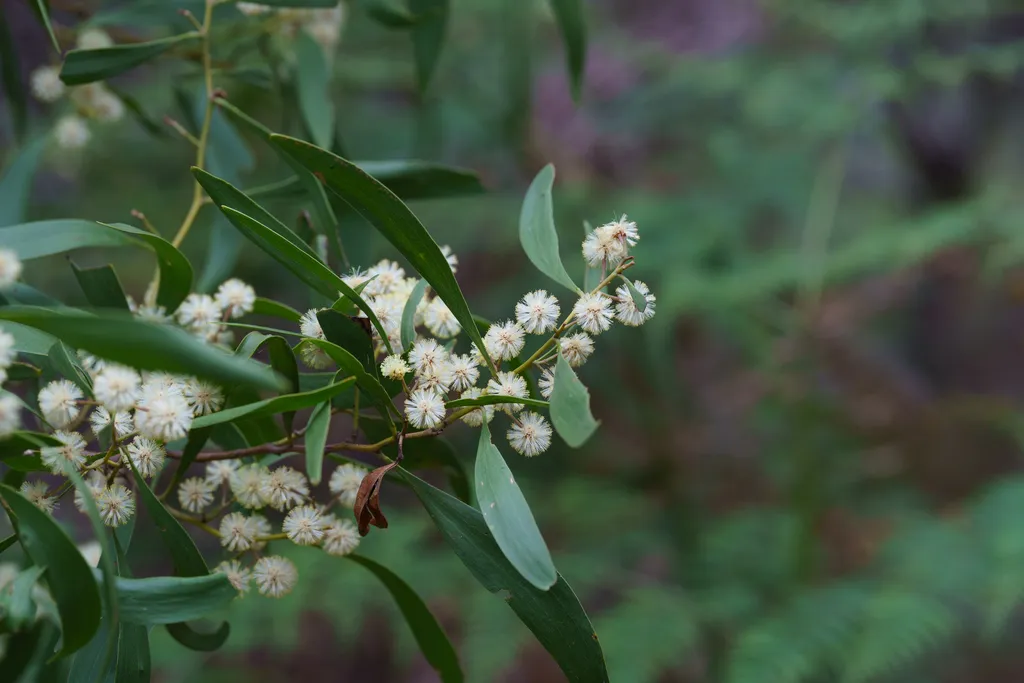
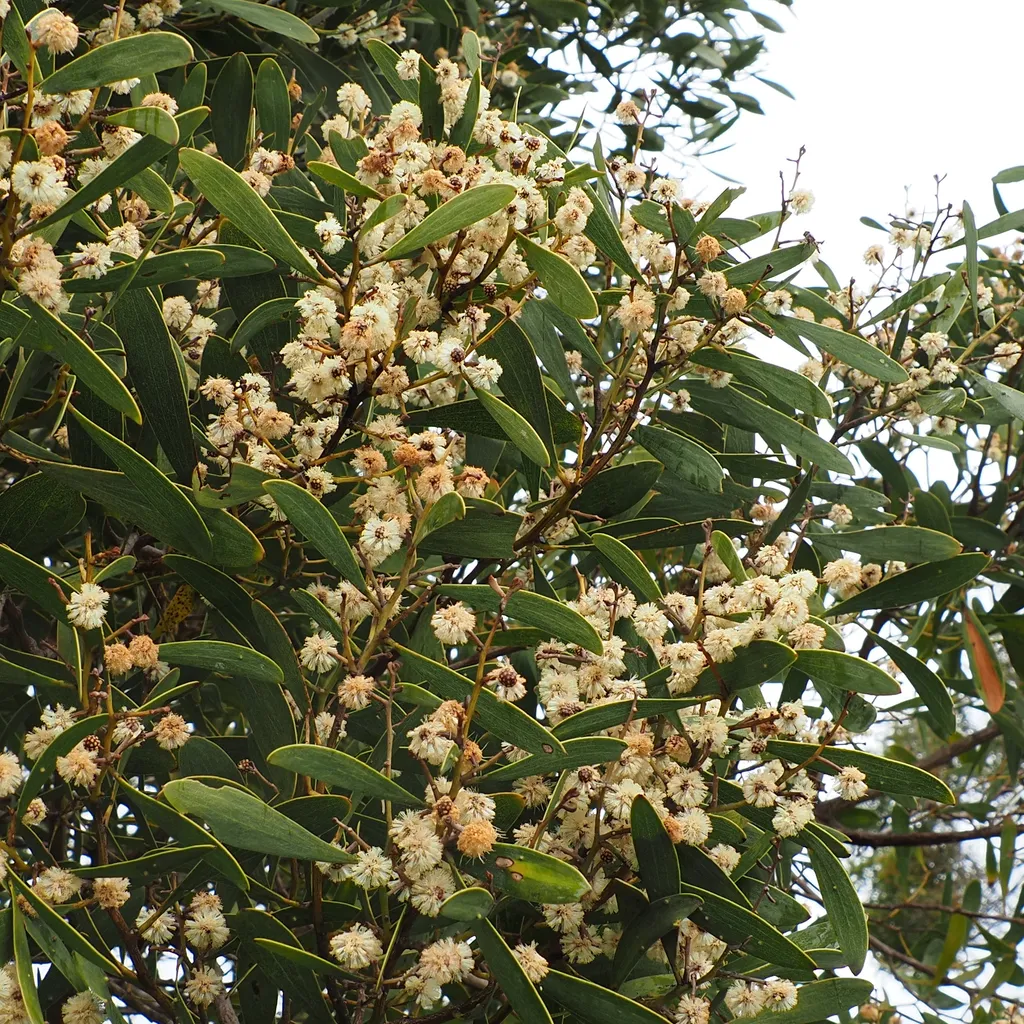
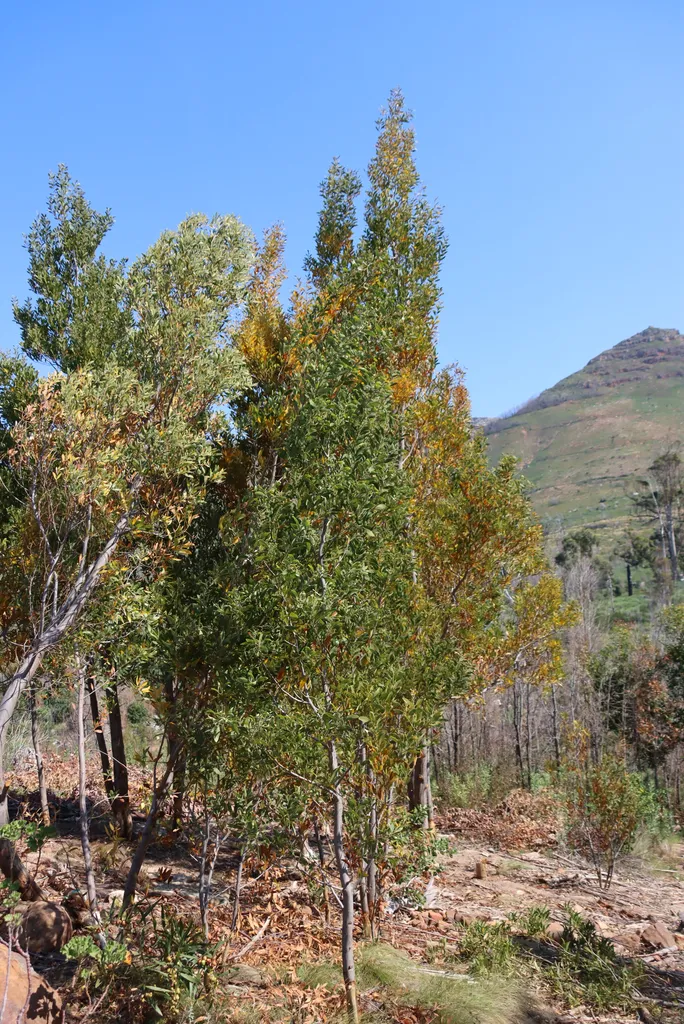
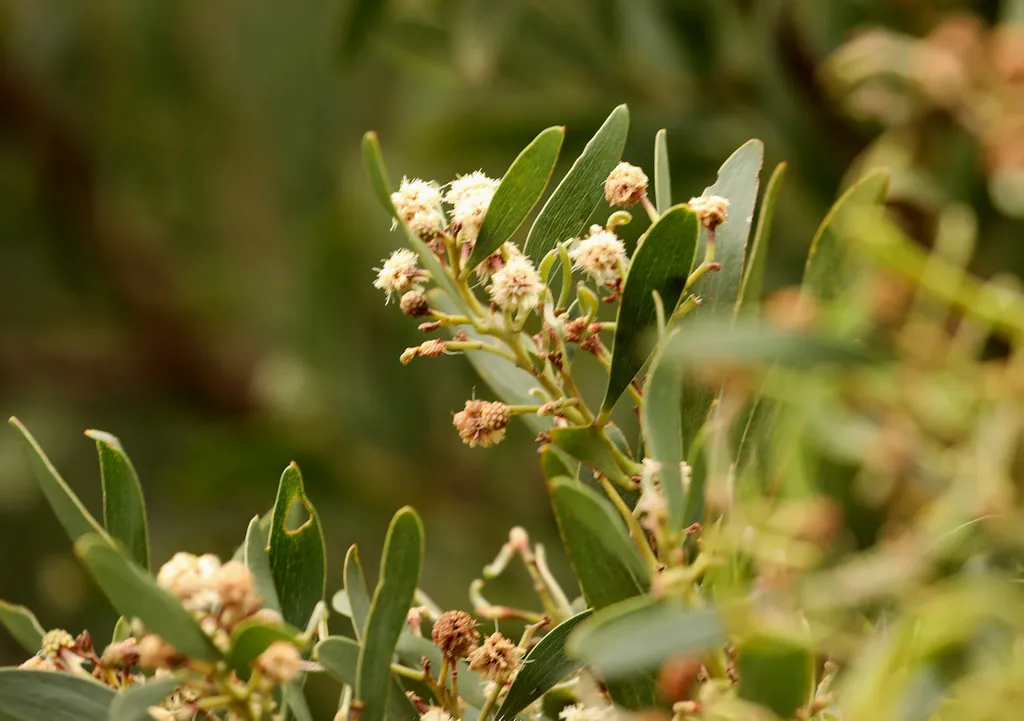
A graceful evergreen tree possibly reaching 12m. Its 'leaves' are leathery grey-green and variable in shape. Some are ferny in shape with a slender stem, some have a saml leaf where the stem is flattened, but generally they are just the leaf stem alone, flattend into a 'leaf' longer than they are wide with a slight curve. In spring, the flowers are clouds of small, fluffy white to pale yellow flowers which may develop into 10cm brown, twisted-ribbon seed pods. The bark is grey with dark fissures
Scientific classification
- Species
- Australian blackwood (Acacia melanoxylon)
- Genus
- Acacia
- Family
- Fabaceae
- Order
- Fabales
- Class
- Magnoliopsida
- Phylum
- Magnoliophyta
- Information to be completed
- Toxicity
- Trees
- Plant type
- 8-12 metres
- Height
- 4-8 metres
- Spread
- Evergreen
- Foliage
- Information to be completed
- Habit
- Spring · Summer · Autumn · Winter
- Season of interest
- Full sun
- Sunlight
- Information to be completed
- Ideal temperature









Australian blackwood pictures
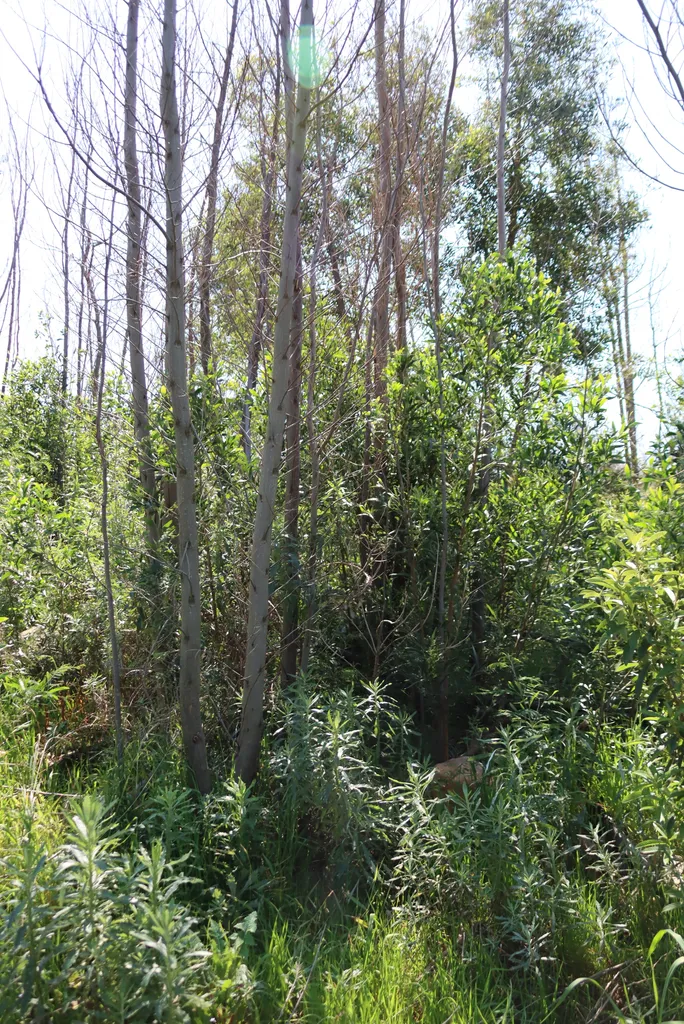
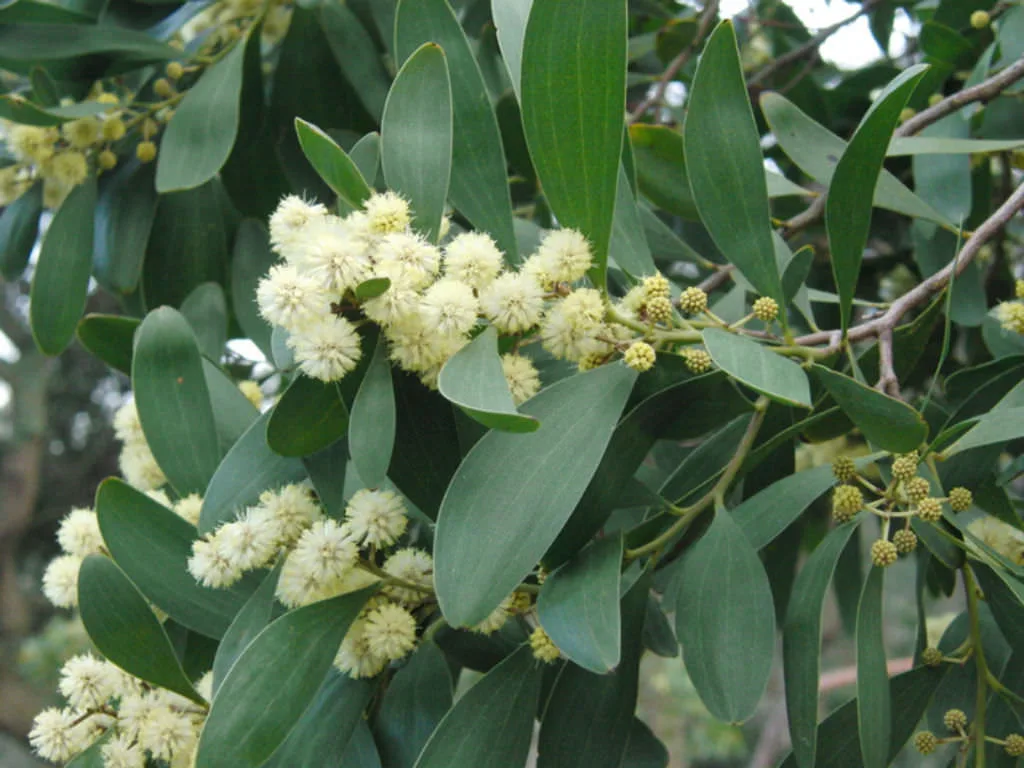
Distribution of Australian blackwood
Distribution map
- Native
- Introduced
- Cultivated
Source:WCVP v16 · Royal Botanic Gardens, Kew · CC BY 3.0 · Boundaries:WGSRPD / TDWG
Australian blackwood care guide
- Moderate regular watering, allowing brief slight drying between soakings
- Watering
- Full sun
- Sunlight

Watering
Moderate regular watering, allowing brief slight drying between soakings
Fertilizing
 Fertilizing
Balanced perennial feed every four weeks from spring through summer
Pruning
 Pruning
Usually little pruning is needed. Lightly shape if necessary, removing dead, damaged or diseased shoots. Prune after flowering.
Propagation
 Propagation
Propagate by semi-ripe cuttings or seed. For advice see propagation from seed (tree/shrub
Growing
 Growing
Grow outdoors in neutral to acid well-drained soil in sheltered location with full sun. Suits courtyard and urban gardens in milder locations, but will need winter protection elsewhere. Under glass, grow in ericaceous or loam-based compost (peat-free JI No.2) in full light. Resents hard pruning. For more advice see tree cultivation
Common pests and diseases
Diseases
May be susceptible to honey fungus
Pests
May be susceptible to glasshouse red spider mite, fluted scale and mealybugs
Explore the plant health library →




