
lily of Nepal
Also known as: Information to be completed
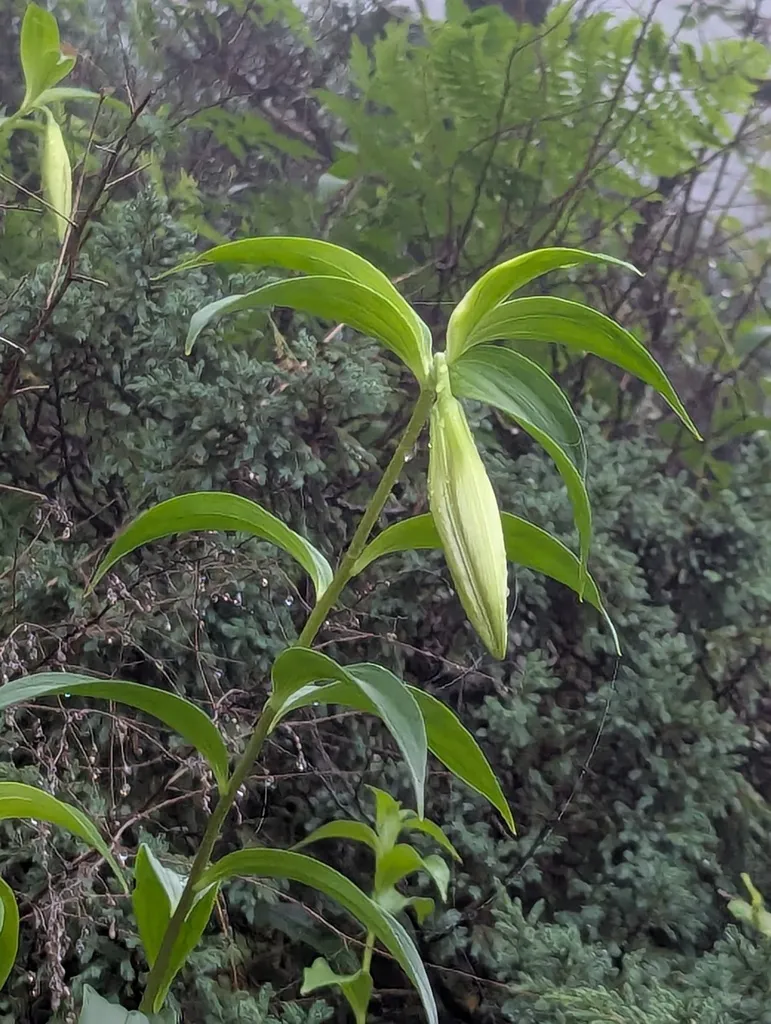
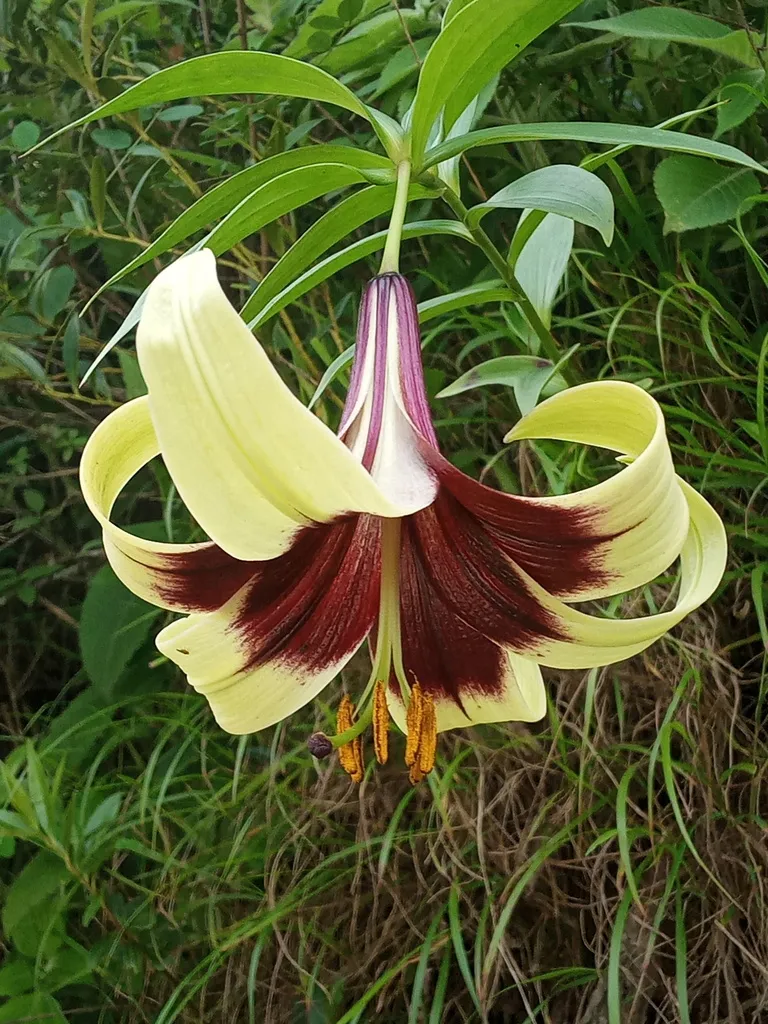
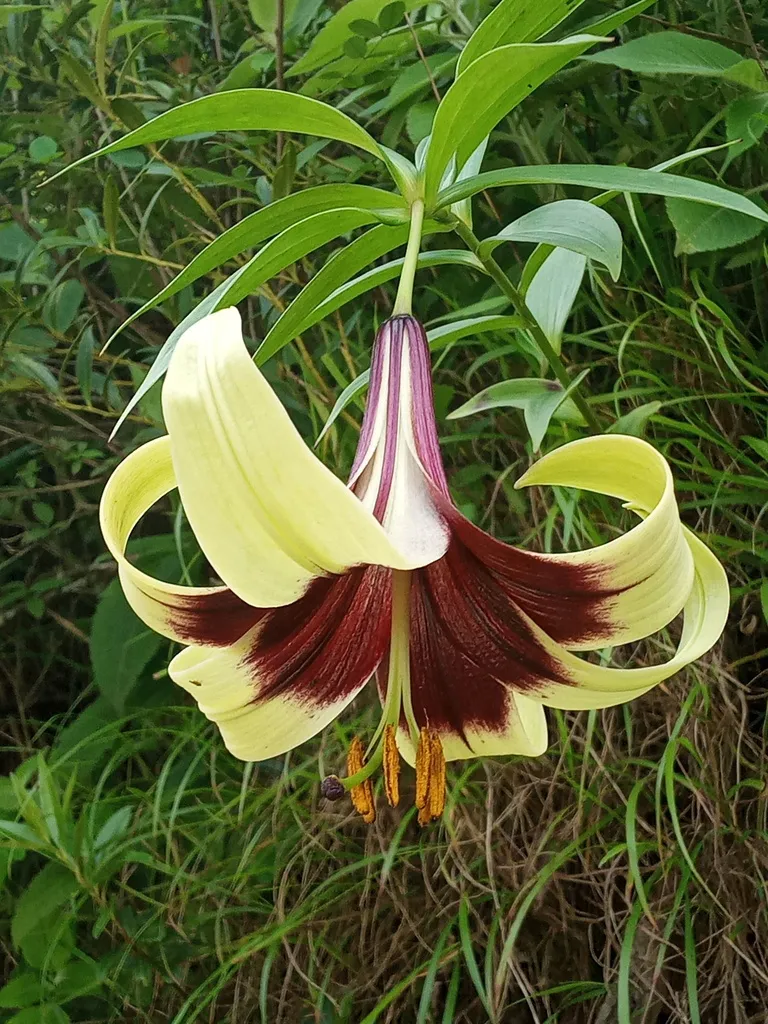
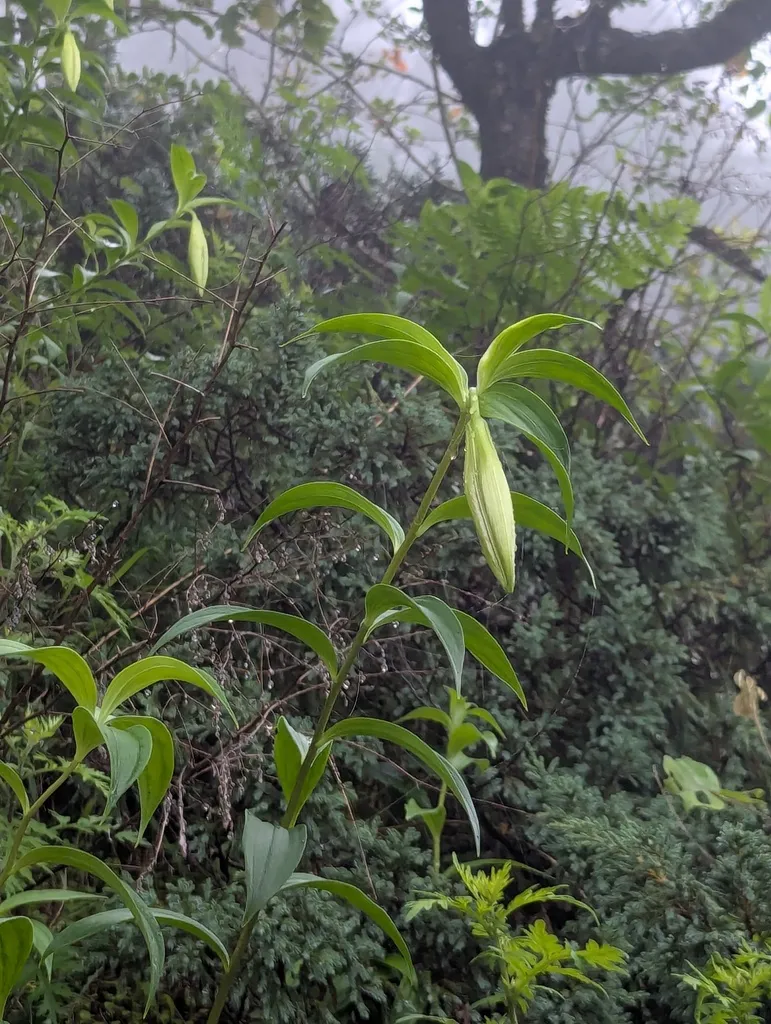
L. nepalense is a stem-rooting lily with rhizomatous bulbs, upright or arching stems, and scattered deep green leaves. The unscented or unpleasantly scented, funnel-shapedflowers, produced in early to mid-summer, are white, greenish or yellow in bud, opening to reveal a maroon centre
Scientific classification
- Species
- lily of Nepal (Lilium nepalense)
- Genus
- Lilium
- Family
- Liliaceae
- Ornamental bulbs - not to be eaten. Wear gloves and other protective equipment when handling
- Toxicity
- Bulbs
- Plant type
- 0.5-1 metres
- Height
- 0.1-0.5 metres
- Spread
- Deciduous
- Foliage
- Columnar upright
- Habit
- Spring · Summer
- Season of interest
- Partial shade
- Sunlight
- Information to be completed
- Ideal temperature









lily of Nepal pictures
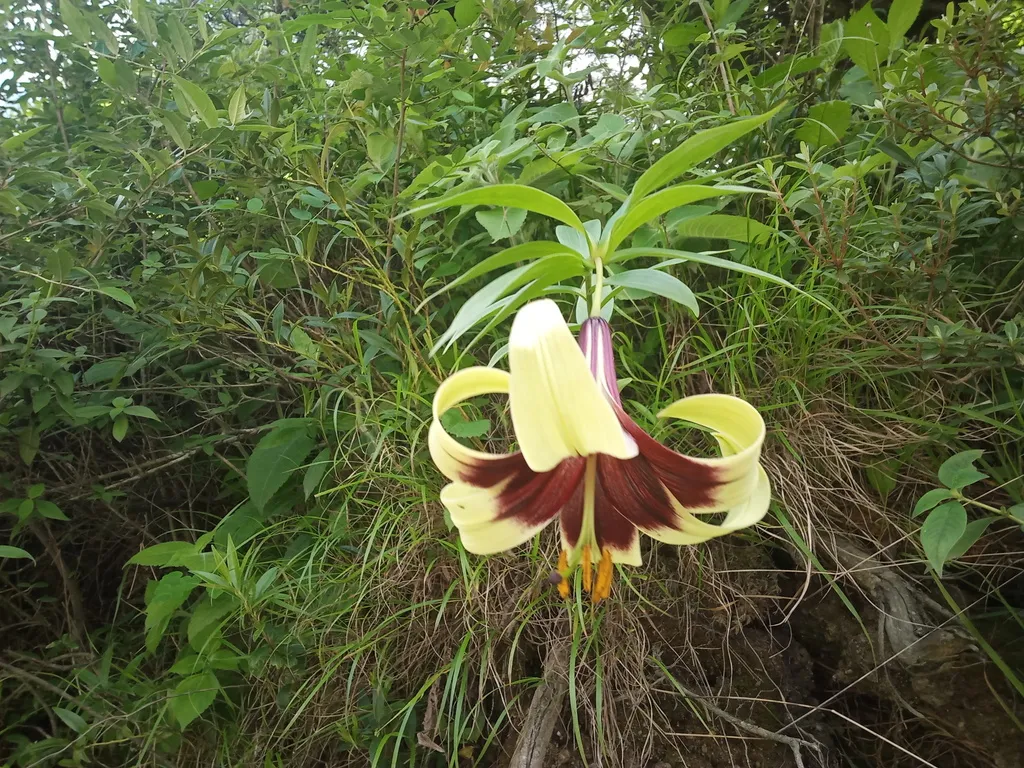
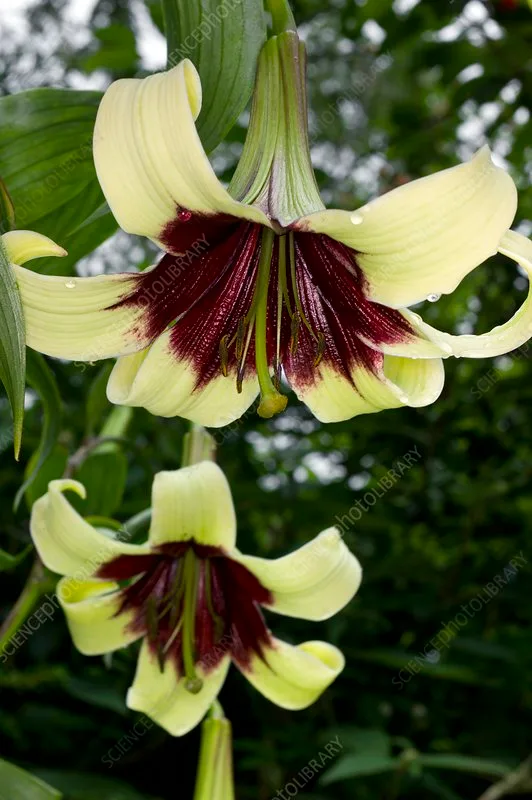
Distribution of lily of Nepal
Distribution map
Himalaya to Thailand
Information to be completed
Culture
Information to be completed
Toxicity
Ornamental bulbs - not to be eaten. Wear gloves and other protective equipment when handling
Quick identification of lily of Nepal
Information to be completed
lily of Nepal care guide
- Keep soil lightly and evenly moist during active stem and bud growth
- Watering
- Partial shade
- Sunlight
- Information to be completed
- Ideal temperature

Watering
Keep soil lightly and evenly moist during active stem and bud growth
Fertilizing
 Fertilizing
Lily bulb feed every three weeks during spring and summer growth
Pruning
 Pruning
No pruning required
Propagation
 Propagation
Propagate by seed, sown in warmth when ripe, or separate offsets after the foliage dies down
Growing
 Growing
Grow in containers of ericaceous compost in a frost-free greenhouse, moving to a sheltered, semi-shaded position outdoors for the summer
People also ask
Information to be completed
Common pests and diseases
Diseases
May be susceptible to grey moulds and a virus; see lily diseases
Pests
May be susceptible to lily beetle, aphids, slugs, snails, Thrips, leatherjackets, and wireworms, and to damage by rabbits and voles; plants in containers may be affected by vine weevil
Explore the plant health library →




