
leopard lily
Also known as: panther lily
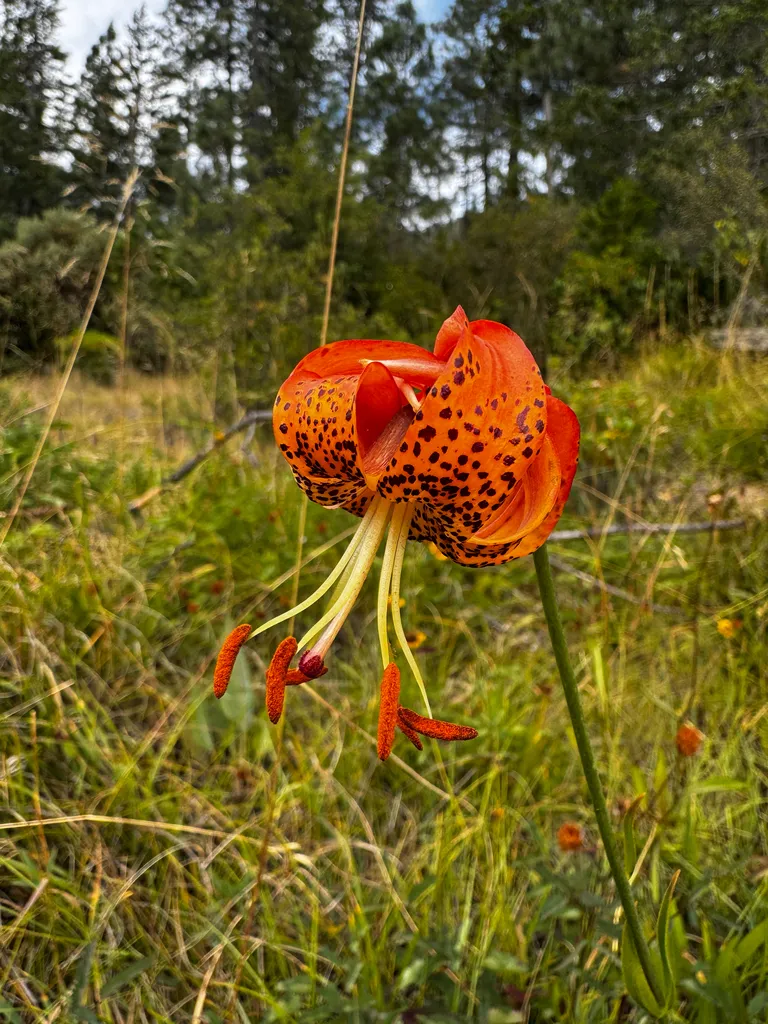
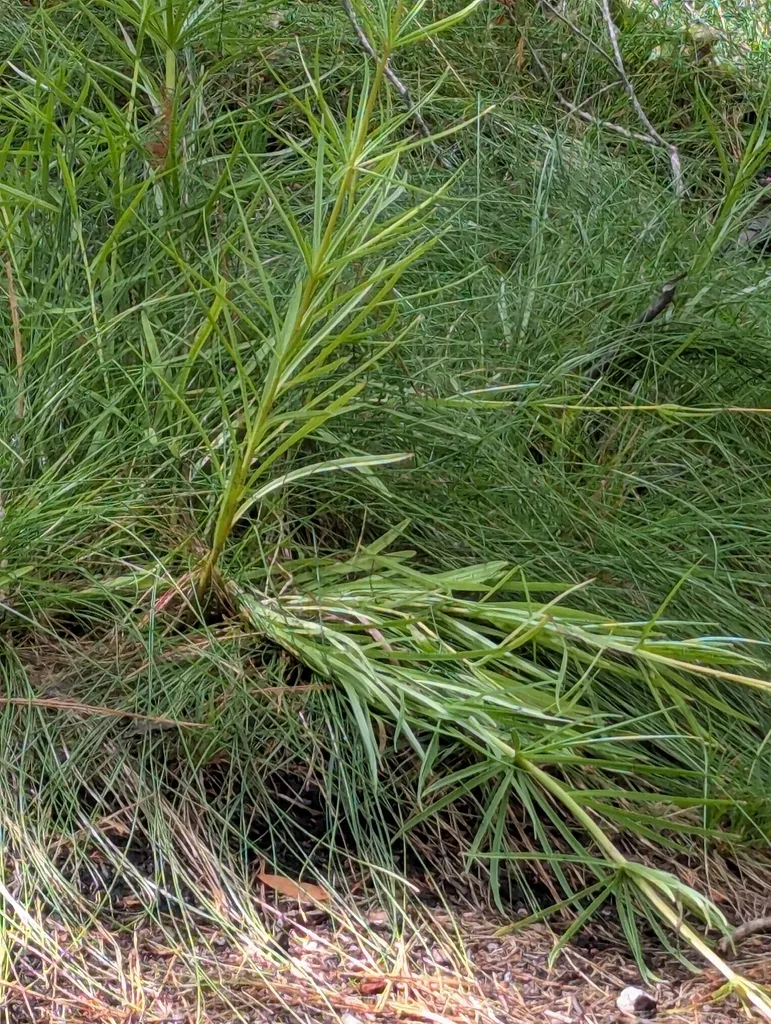
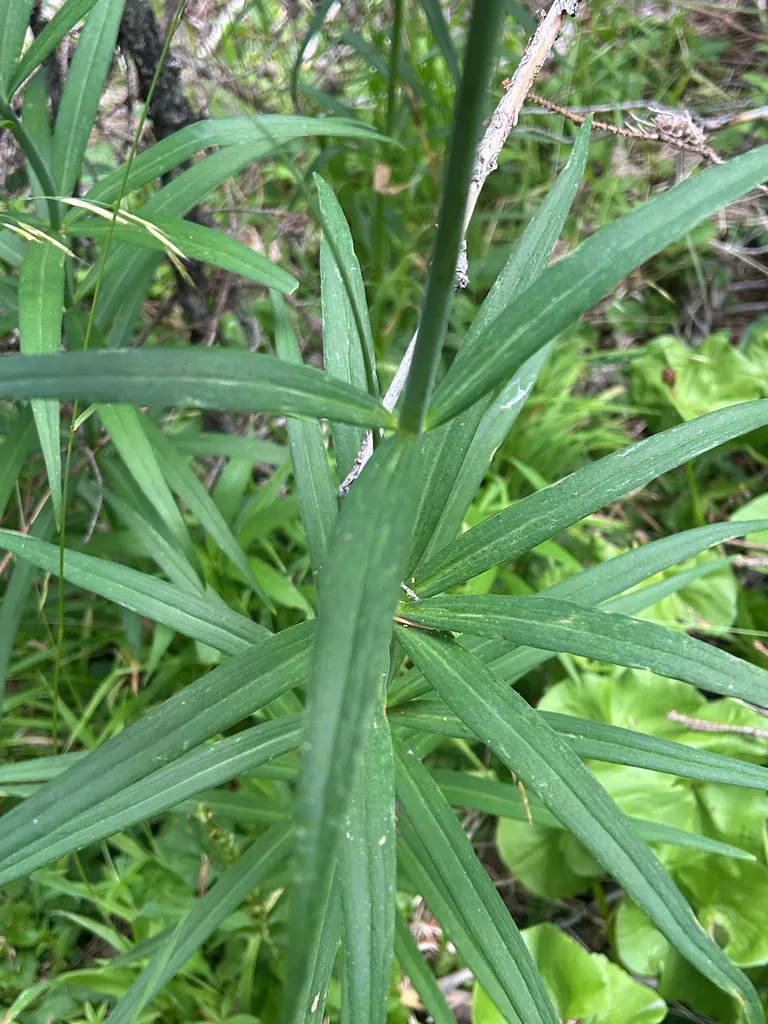
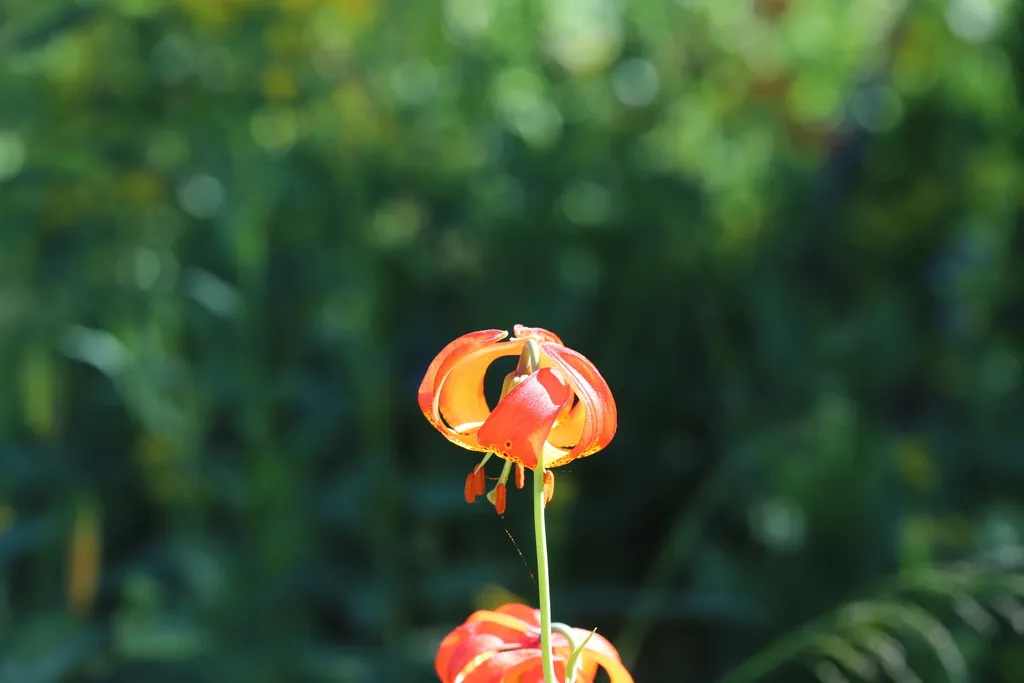
L. pardalinum is a robust lily forming a clump of erect stems bearing whorled leaves and several nodding, dark-spotted, orange-red flowers 9cm across, shading to yellow at the centre, in summer
Scientific classification
- Species
- leopard lily (Lilium pardalinum)
- Genus
- Lilium
- Family
- Liliaceae
- Ornamental bulbs - not to be eaten. Wear gloves and other protective equipment when handling
- Toxicity
- Bulbs
- Plant type
- 1.5-2.5 metres
- Height
- 0.1-0.5 metres
- Spread
- Deciduous
- Foliage
- Columnar upright
- Habit
- Spring · Summer
- Season of interest
- Full sun · Partial shade
- Sunlight
- Information to be completed
- Ideal temperature









leopard lily pictures
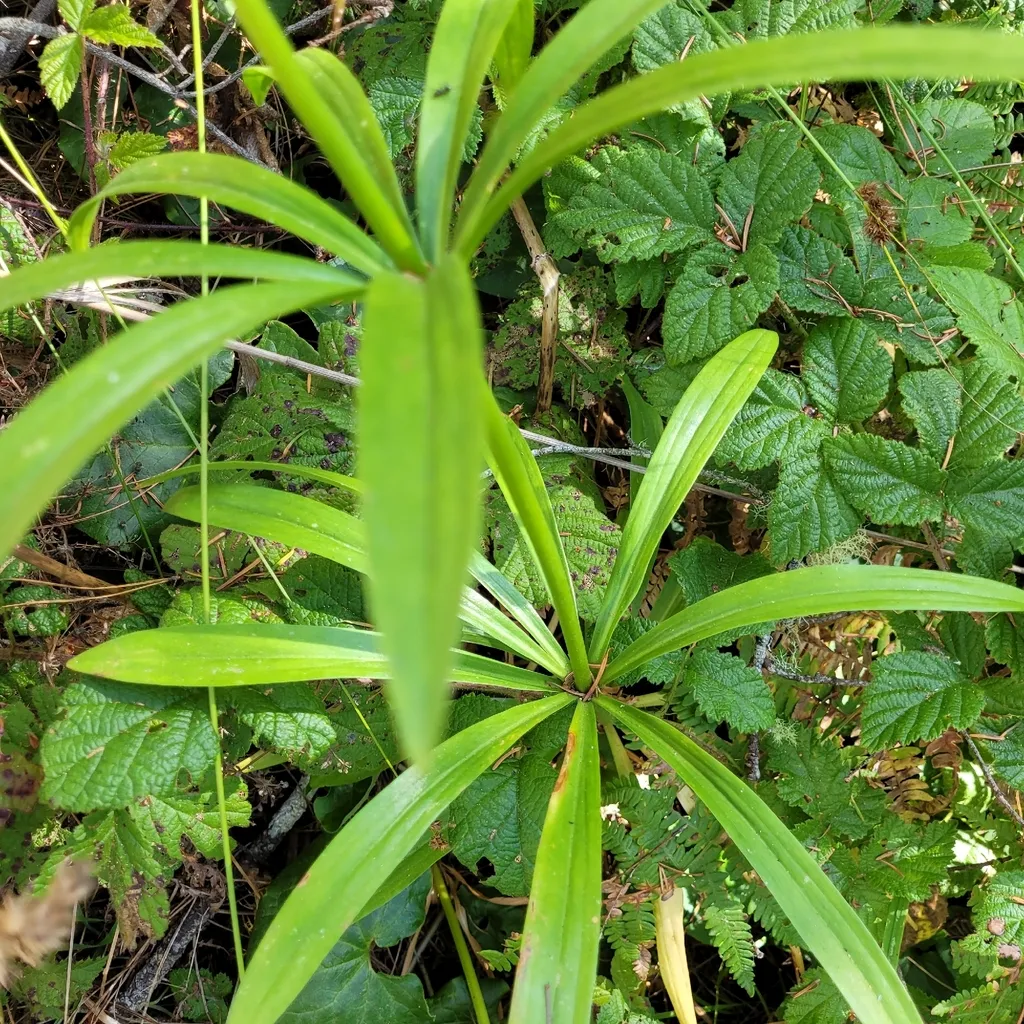
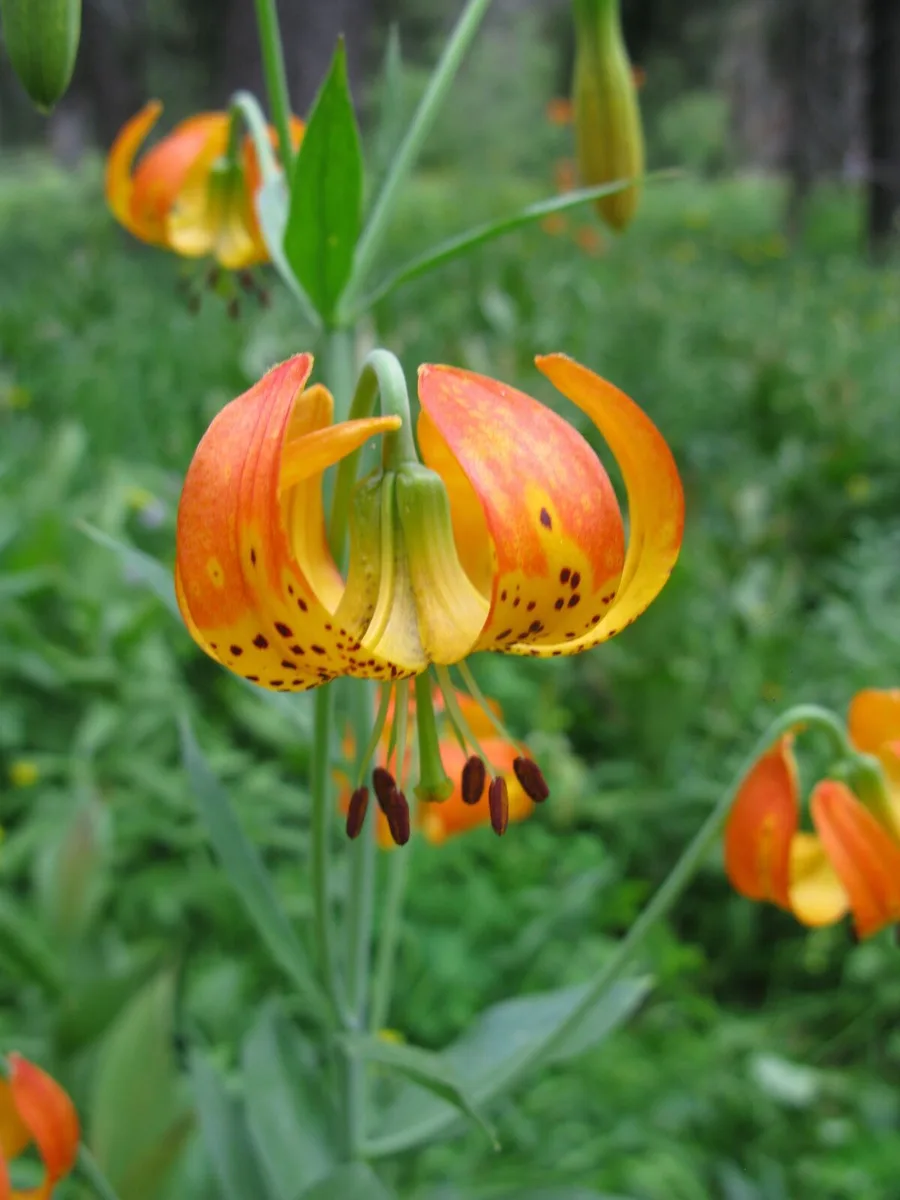
Distribution of leopard lily
Distribution map
USA (California)
Information to be completed
Culture
Information to be completed
Toxicity
Ornamental bulbs - not to be eaten. Wear gloves and other protective equipment when handling
Quick identification of leopard lily
Information to be completed
leopard lily care guide
- Keep soil evenly moist but never waterlogged
- Watering
- Full sun · Partial shade
- Sunlight
- Information to be completed
- Ideal temperature

Watering
Keep soil evenly moist but never waterlogged
Fertilizing
 Fertilizing
Bulb feed at shoot emergence and during bud stage
Pruning
 Pruning
No pruning required
Propagation
 Propagation
Propagate by seed, sown, when ripe, in containers in a cold frame or separate offsets after the foliage dies down
Growing
 Growing
Grow in any well-drained, moist, soil enriched with leaf mould or well-rotted organic matter. Lime tolerant but not in dry soil
People also ask
Information to be completed
Common pests and diseases
Diseases
May be susceptible to grey moulds and a virus; see lily diseases
Pests
May be susceptible to lily beetle, aphids, slugs, snails, Thrips, leatherjackets, and wireworms, and to damage by rabbits and voles; plants in containers may be affected by vine weevil
Explore the plant health library →




