
marsh mallow
Also known as: bismalva; guimauve; Joseph's staff; mauve; mortification root; white mallow; wymot; wymote
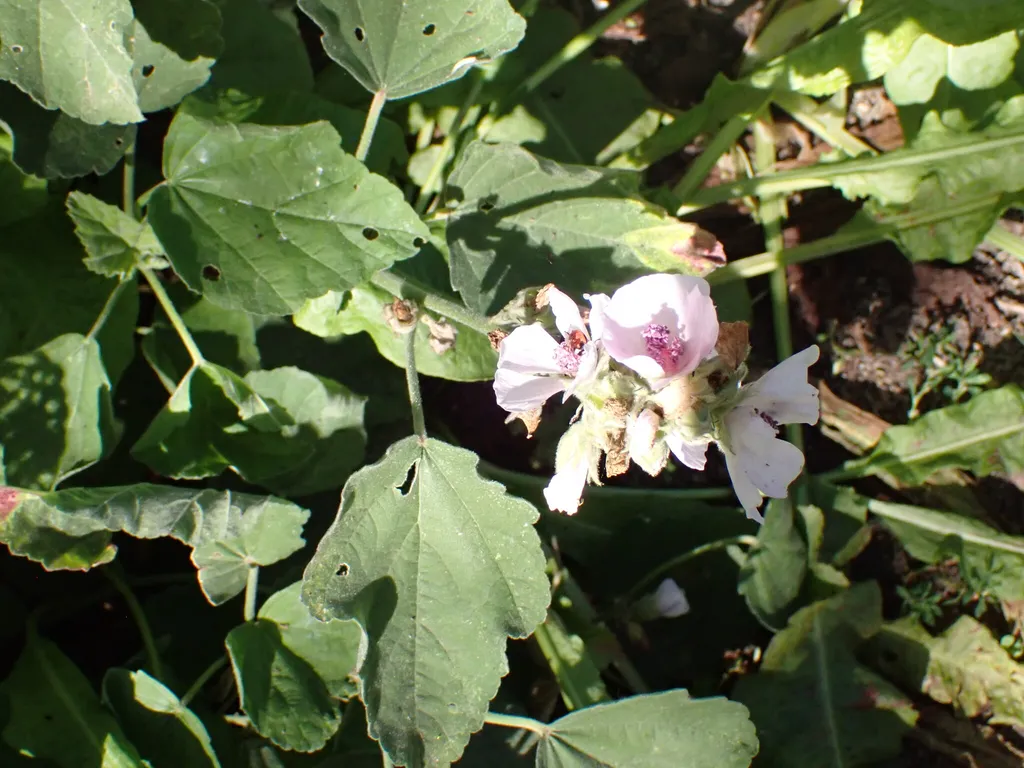
A native, herbaceous perennial with softly hairy, grey-green leaves and stems. Small clusters of saucer-shaped, lilac-pink flowers appear on tall flowering stems from mid-summer to early autumn
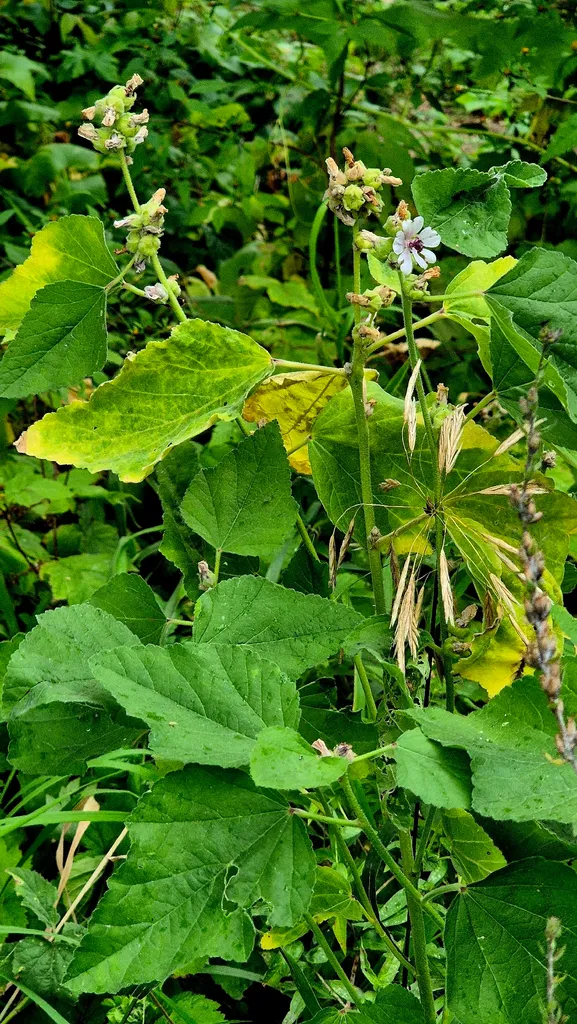
Scientific classification
- Species
- marsh mallow (Althaea officinalis)
- Genus
- Althaea
- Family
- Malvaceae
- Information to be completed
- Toxicity
- Herbaceous Perennial
- Plant type
- 1.5-2.5 metres
- Height
- 1-1.5 metres
- Spread
- Deciduous
- Foliage
- Bushy
- Habit
- Spring · Summer · Autumn
- Season of interest
- Full sun · Partial shade
- Sunlight
- Information to be completed
- Ideal temperature









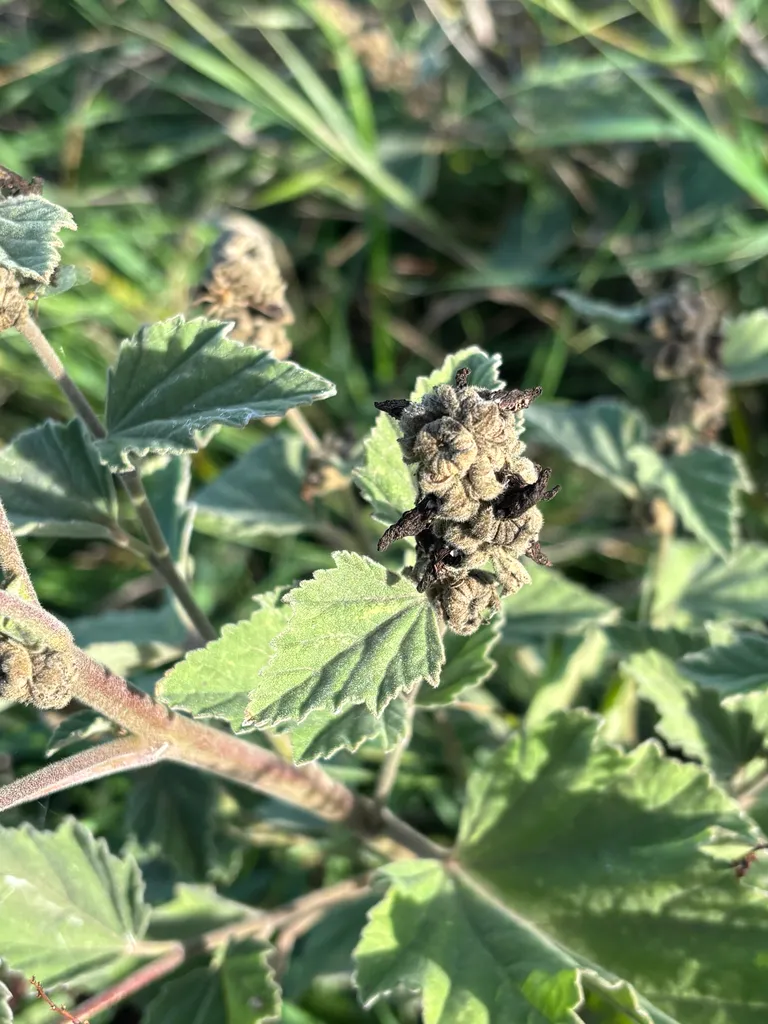
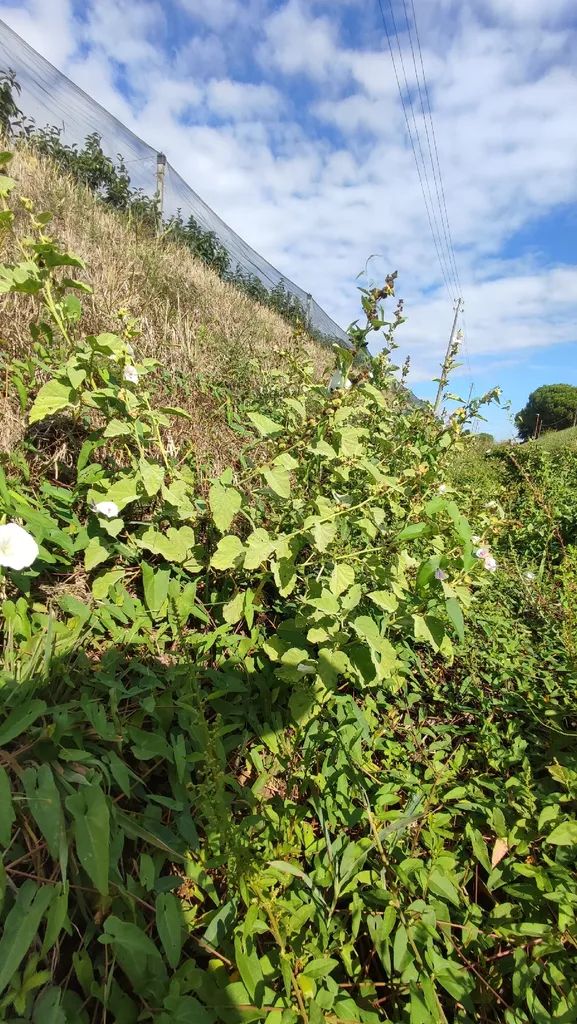
marsh mallow pictures
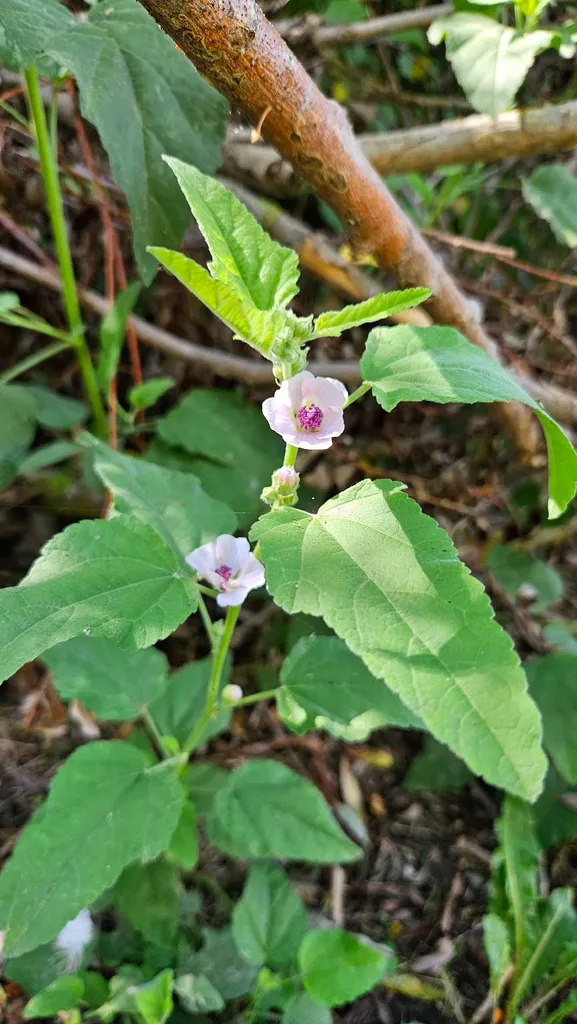
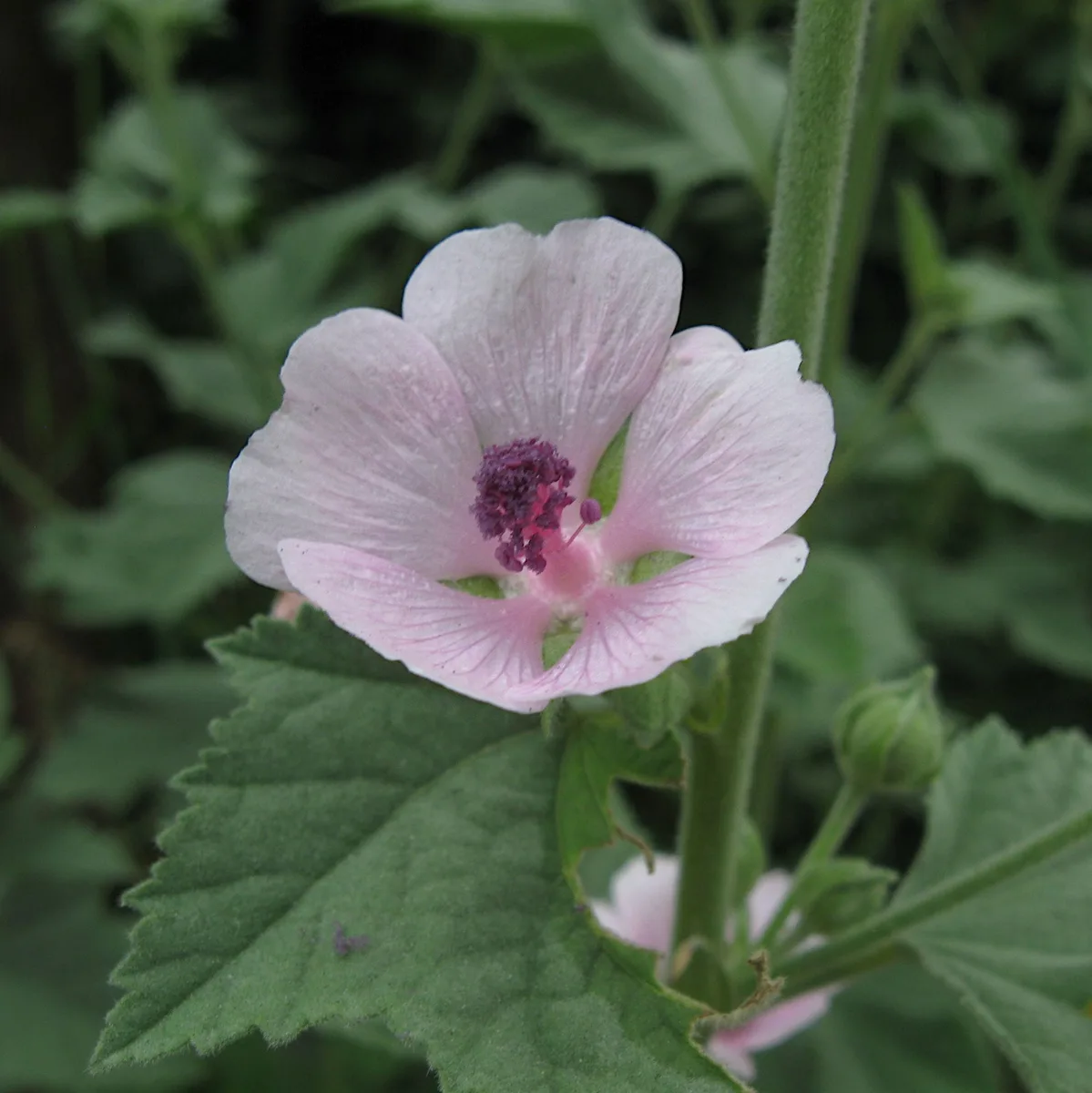
Distribution of marsh mallow
Distribution map
Europe
Information to be completed
Culture
Information to be completed
Toxicity
Information to be completed
Quick identification of marsh mallow
Information to be completed
marsh mallow care guide
- Moderate regular watering, allowing brief slight drying between soakings
- Watering
- Full sun · Partial shade
- Sunlight
- Information to be completed
- Ideal temperature

Watering
Moderate regular watering, allowing brief slight drying between soakings
Fertilizing
 Fertilizing
Balanced perennial feed every four weeks from spring through summer
Pruning
 Pruning
Cut down to ground once flowering is over
Propagation
 Propagation
Propagate by seed sown in mid-summer
Growing
 Growing
Easy to grow and tolerates a wide range of conditions, though does best in fertile, moist but well-drained soil in full sun
People also ask
Information to be completed
Common pests and diseases
Diseases
May be affected by a rust
Pests
May be affected by flea beetles
Explore the plant health library →




