
twilight lily
Also known as: Information to be completed
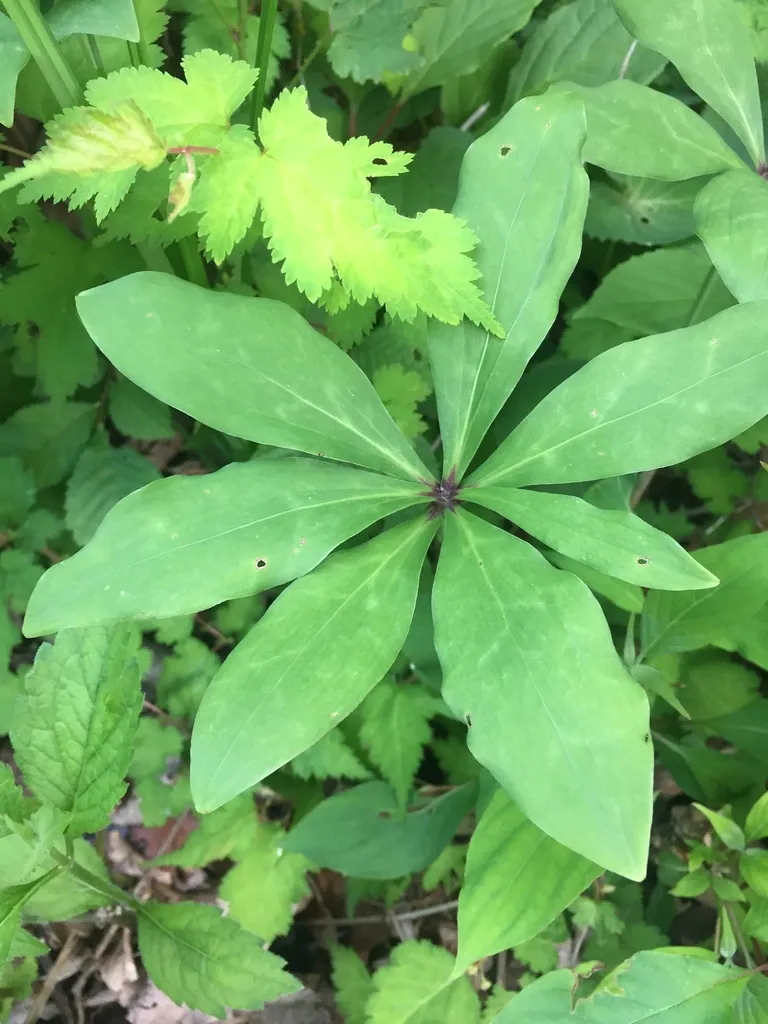
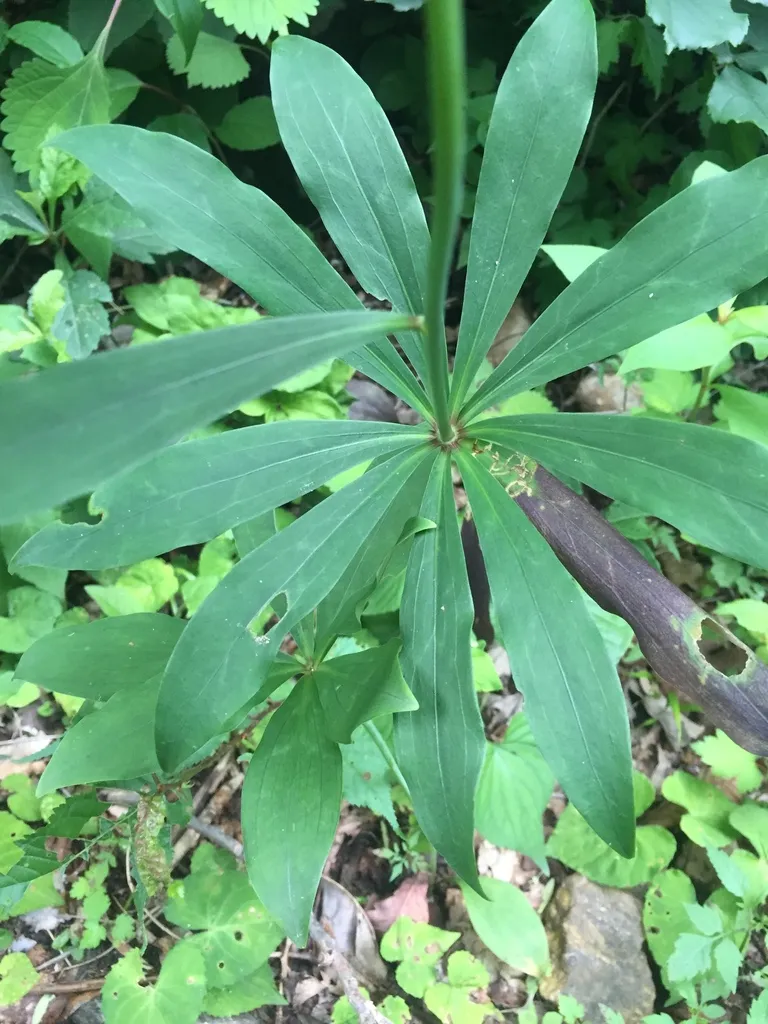
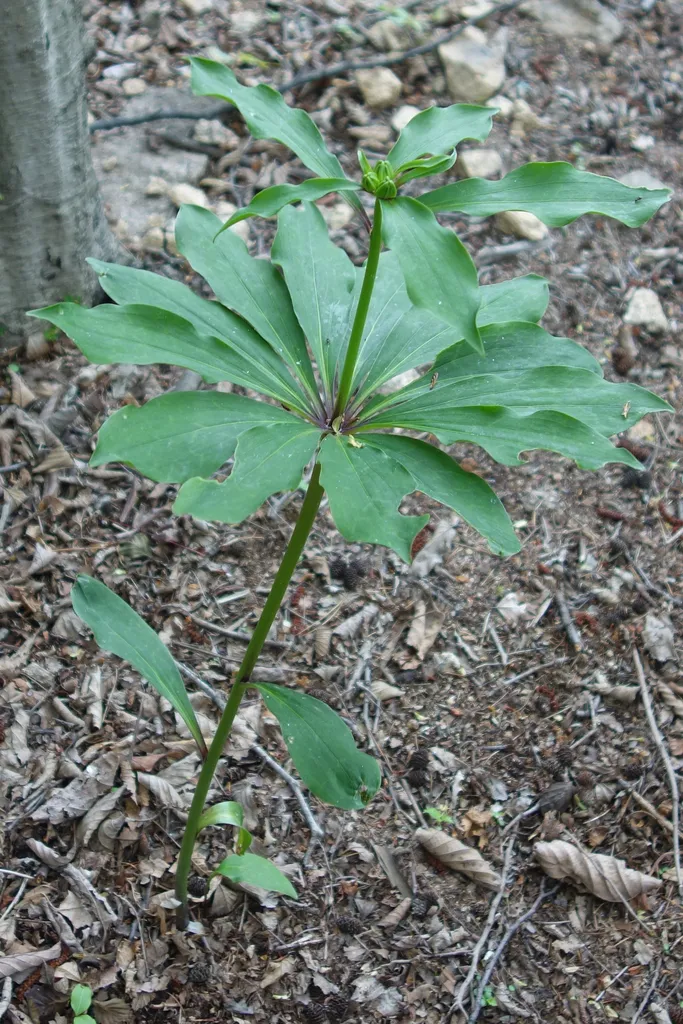
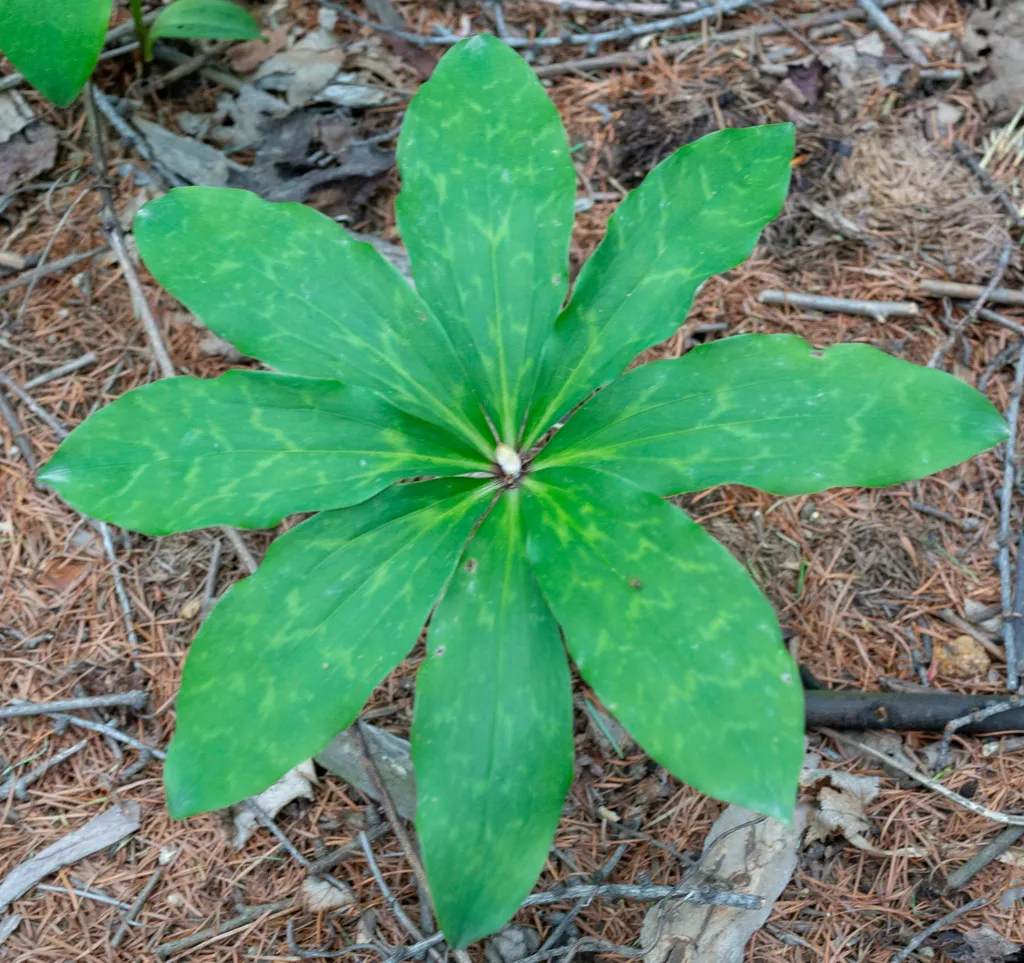
L. tsingtauense produces upright stems and dark green leaves and in midsummer bears umbels of up to 15 upright, shallowly trumpet-shaped, maroon-spotted, orange or orange-red flowers, 5-8cm across, with narrow tepals
Scientific classification
- Species
- twilight lily (Lilium tsingtauense)
- Genus
- Lilium
- Family
- Liliaceae
- Order
- Liliales
- Class
- Liliopsida
- Phylum
- Magnoliophyta
- Ornamental bulbs - not to be eaten. Wear gloves and other protective equipment when handling
- Toxicity
- Bulbs
- Plant type
- 0.5-1 metres
- Height
- 0.1-0.5 metres
- Spread
- Deciduous
- Foliage
- Columnar upright
- Habit
- Spring · Summer
- Season of interest
- Full sun · Partial shade
- Sunlight
- Information to be completed
- Ideal temperature









twilight lily pictures
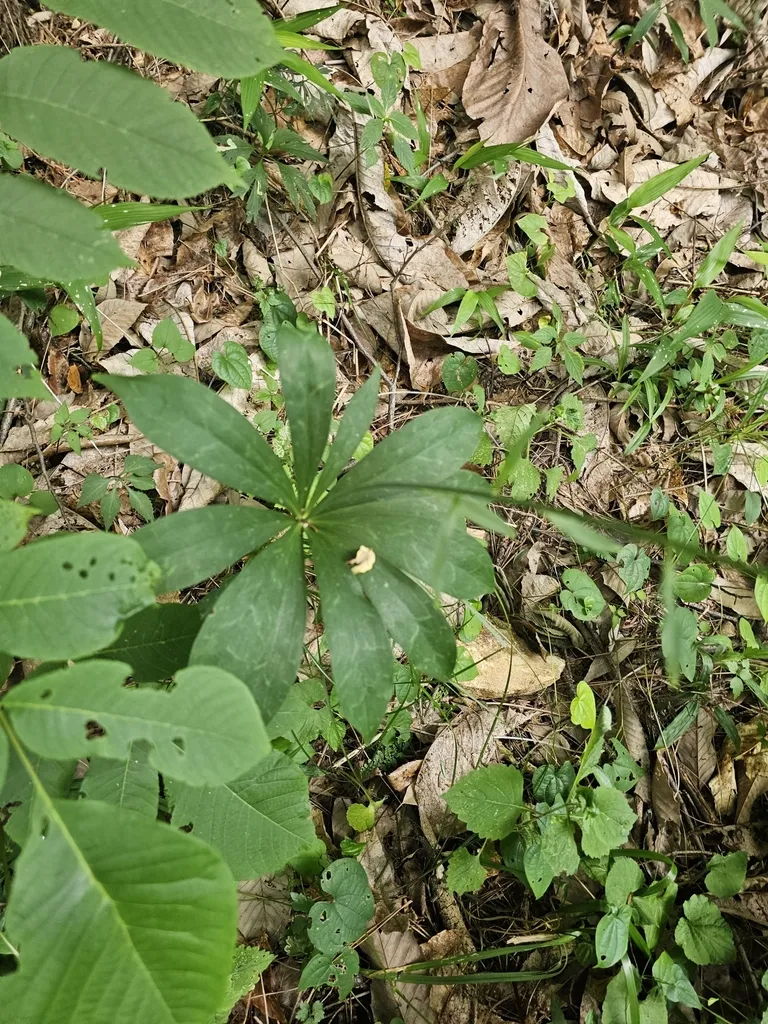
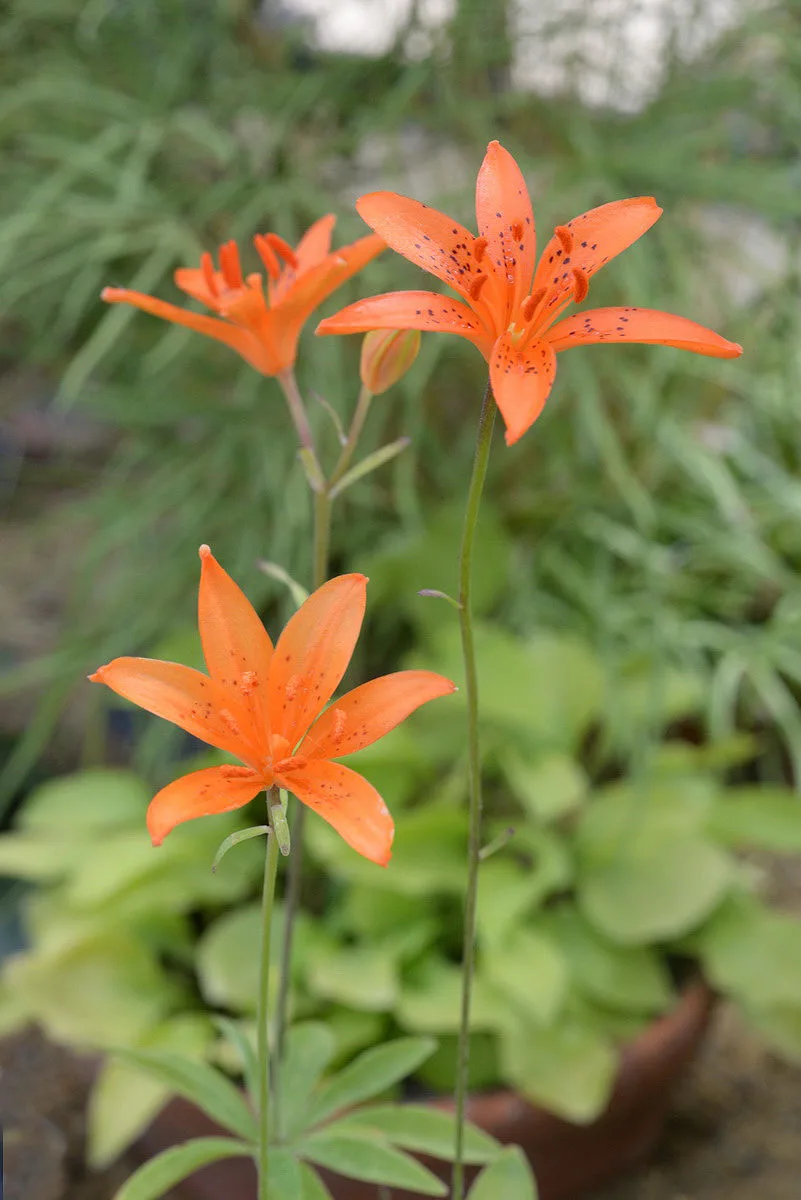
Distribution of twilight lily
Distribution map
- Native
- Introduced
- Cultivated
Source:WCVP v16 · Royal Botanic Gardens, Kew · CC BY 3.0 · Boundaries:WGSRPD / TDWG
Toxicity
Ornamental bulbs - not to be eaten. Wear gloves and other protective equipment when handling
twilight lily care guide
- Keep soil lightly and evenly moist during active stem and bud growth
- Watering
- Full sun · Partial shade
- Sunlight

Watering
Keep soil lightly and evenly moist during active stem and bud growth
Fertilizing
 Fertilizing
Lily bulb feed every three weeks during spring and summer growth
Pruning
 Pruning
Cut down stems as foliage yellows and dies back
Propagation
 Propagation
Propagate from seed (indoors) sown in warmth when ripe, or separate offsets after the foliage dies down
Growing
 Growing
This cultivar is lime-tolerant but grows best in moist acid soil in full sun or part shade; ideal in pots, see growing lilies in containers for further information
Common pests and diseases
Diseases
May be susceptible to grey moulds and a virus. For more advice, see lily diseases
Pests
May be susceptible to lily beetle, aphids and slugs; plants in pots are vulnerable to vine weevil
Explore the plant health library →




