
common toadflax
Also known as: bread and butter; brideweed; bridewort; butter and eggs; butter haycocks; continental weed; dragon bushes; eggs and bacon; eggs and butter; false flax; flaxweed; gallweed; gallwort; imprudent lawyer; impudent lawyer; Jacob's ladder; lion's mouth; North American ramsted; rancid; ransted; wild flax; wild snapdragon; yellow rod; yellow toadflax
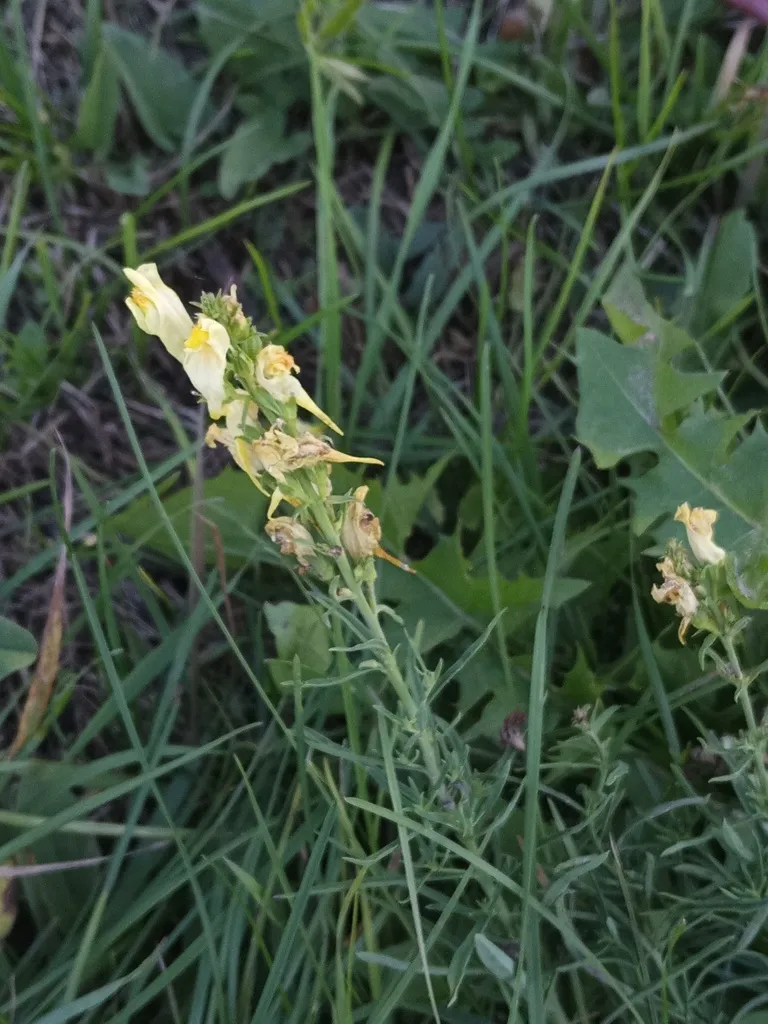
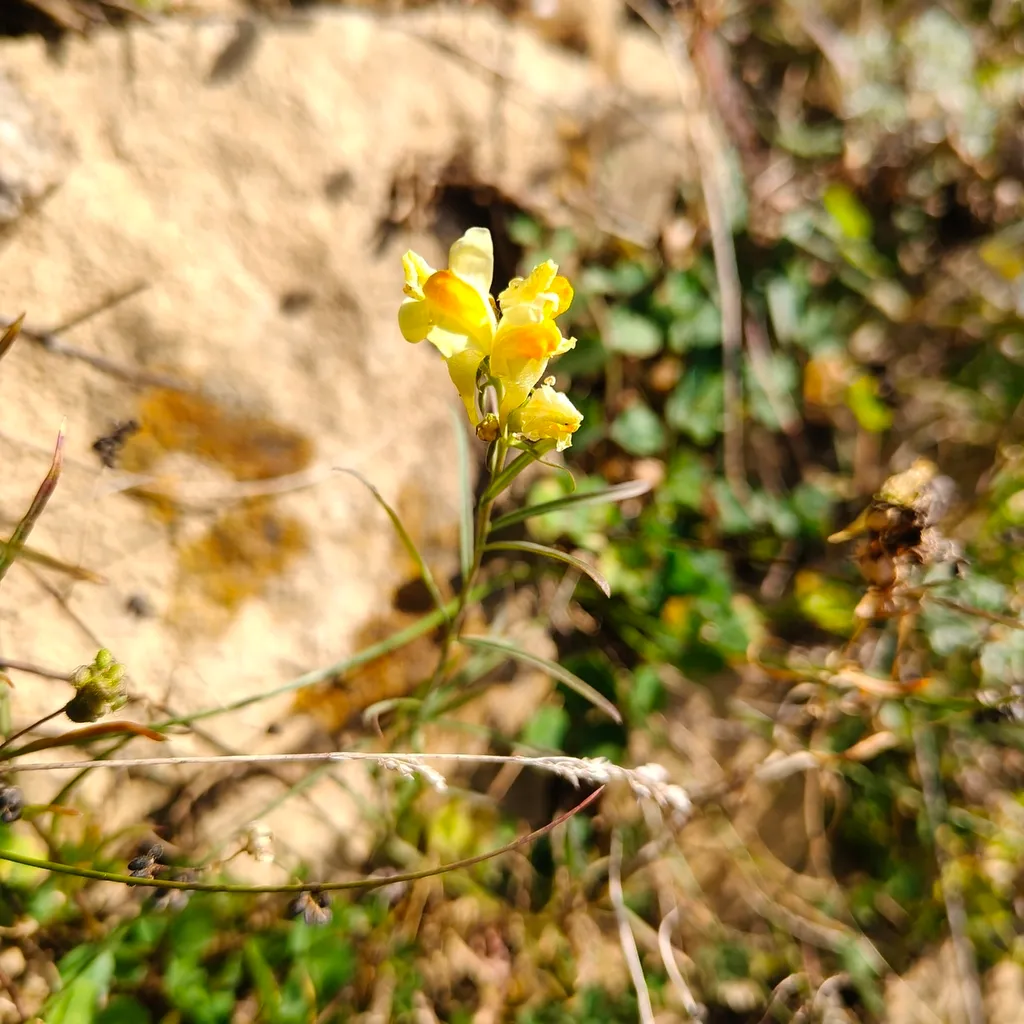
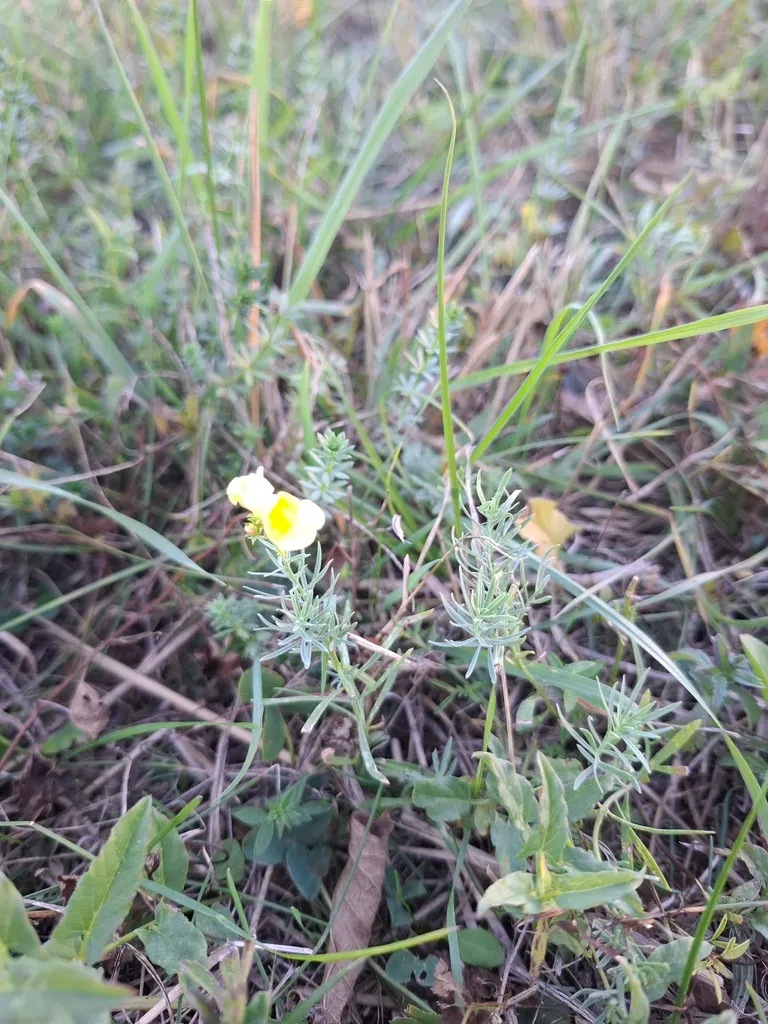
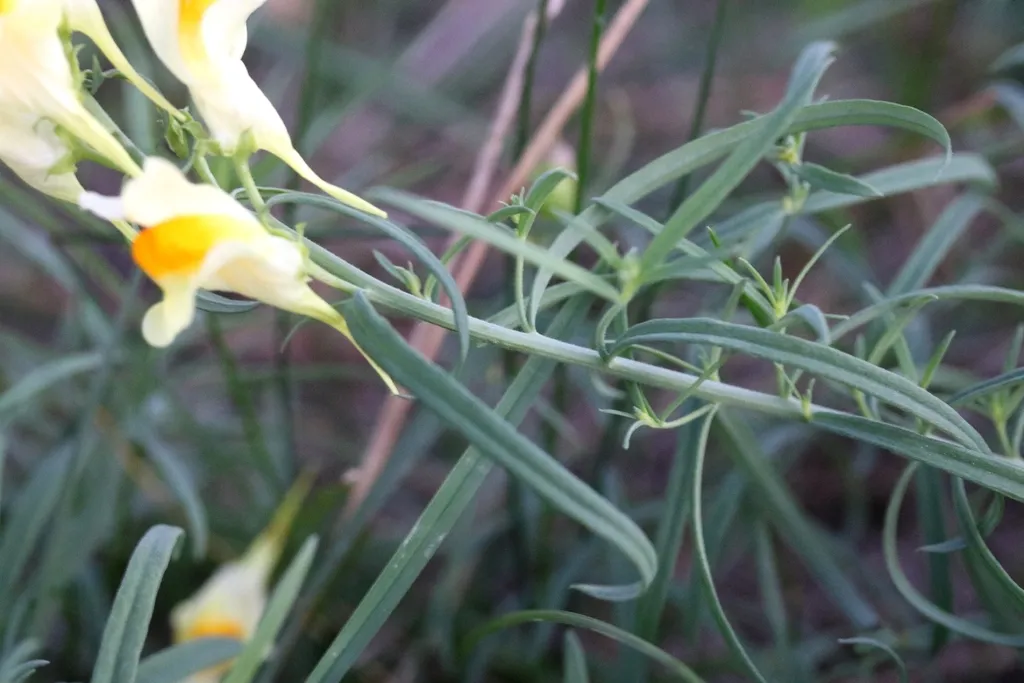
L. vulgaris is an erect perennial, spreading by runners, with stiff stems bearing narrow, pale green leaves that are arranged in a spiral. The pale yellow flowers, resembling small snapdragons in dense spikes, appear from late spring to mid-autumn
Scientific classification
- Species
- common toadflax (Linaria vulgaris)
- Genus
- Linaria
- Family
- Plantaginaceae
- Order
- Lamiales
- Class
- Magnoliopsida
- Phylum
- Magnoliophyta
- Information to be completed
- Toxicity
- Herbaceous Perennial
- Plant type
- 0.1-0.5 metres
- Height
- 0.1-0.5 metres
- Spread
- Deciduous
- Foliage
- Columnar upright
- Habit
- Spring · Summer · Autumn
- Season of interest
- Full sun
- Sunlight
- Information to be completed
- Ideal temperature









common toadflax pictures
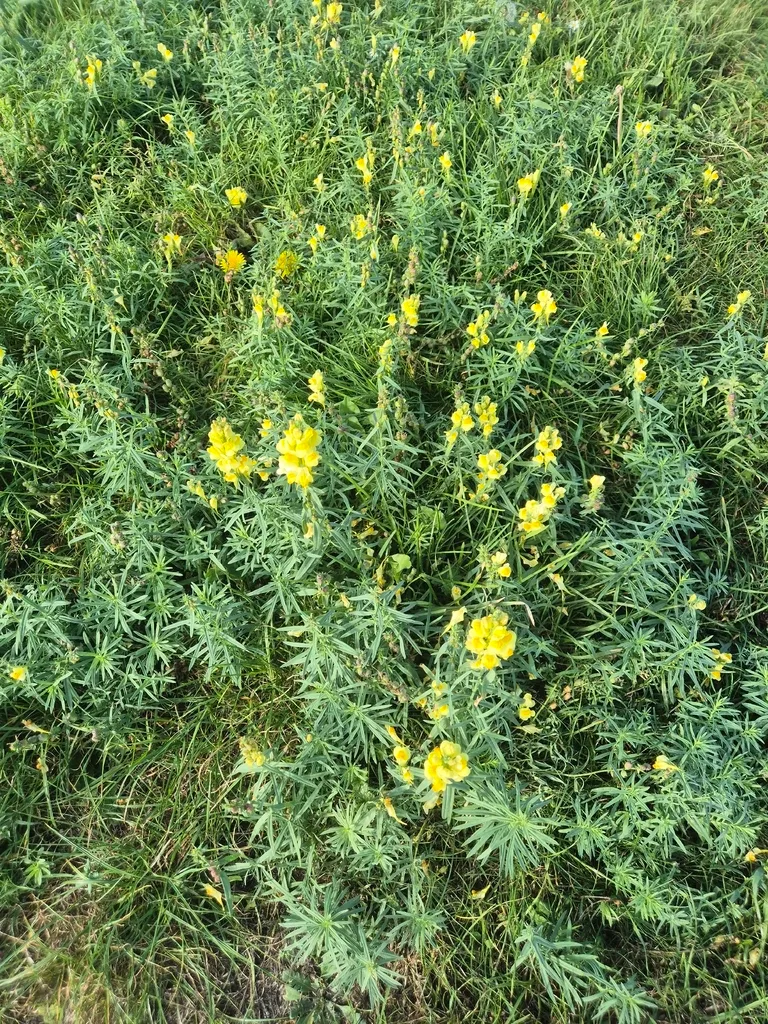
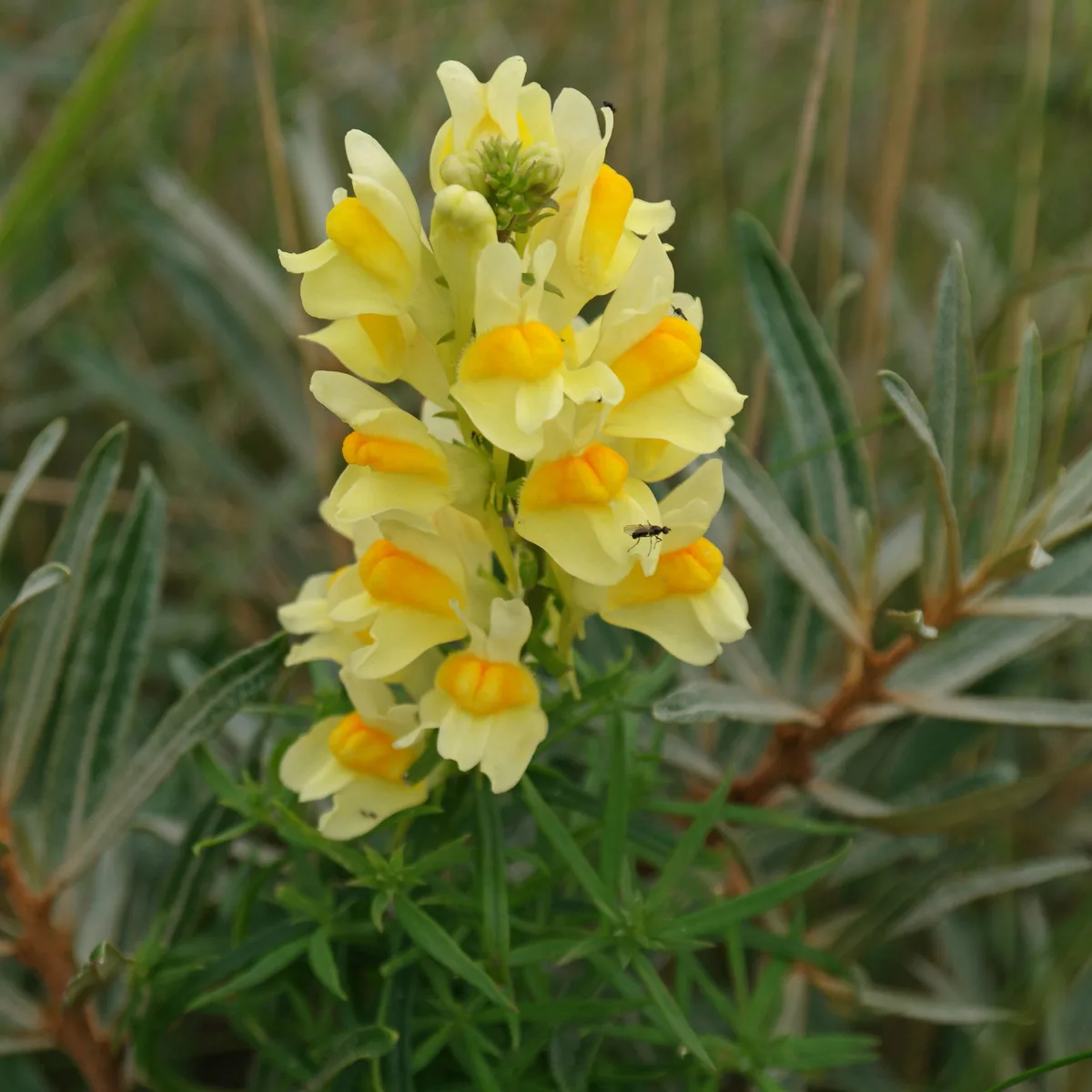
Distribution of common toadflax
Distribution map
Europe, Southwestern Asia
common toadflax care guide
- Moderate regular watering, avoid prolonged drought or waterlogging
- Watering
- Full sun
- Sunlight

Watering
Moderate regular watering, avoid prolonged drought or waterlogging
Fertilizing
 Fertilizing
Balanced feed in spring and light repeat in growth season
Pruning
 Pruning
After flowering, plants can be cut back to prevent self-seeding
Propagation
 Propagation
Propagate by seed in pots in a cold frame in early spring. Propagate by division or softwood cuttings in spring
Growing
 Growing
Grow in moderately fertile, light, well-drained soil in full sun
Common pests and diseases
Diseases
May be susceptible to powdery mildews
Pests
May be susceptible to aphids
Explore the plant health library →




