
Lupinus variicolor
Also known as: Information to be completed
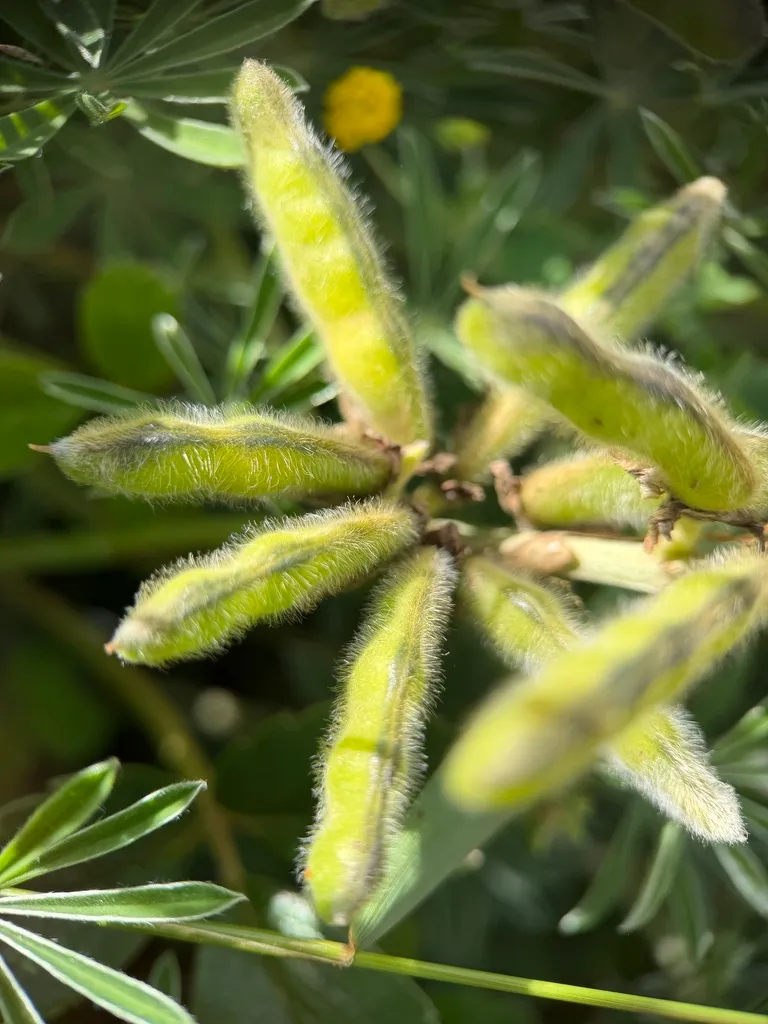
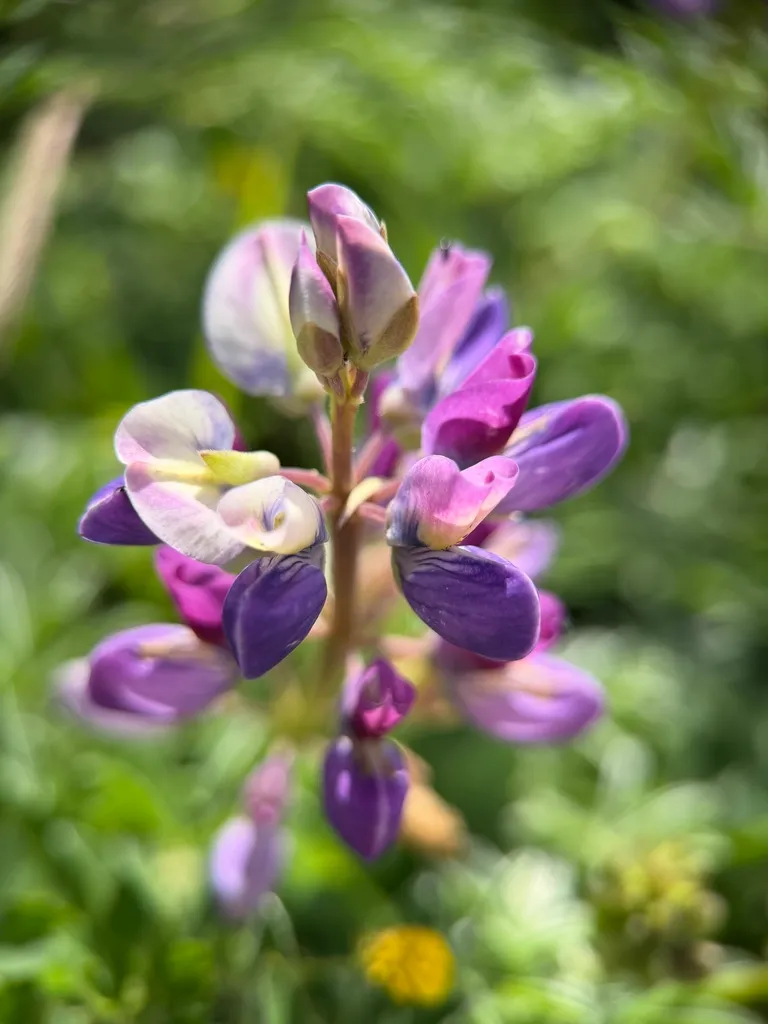
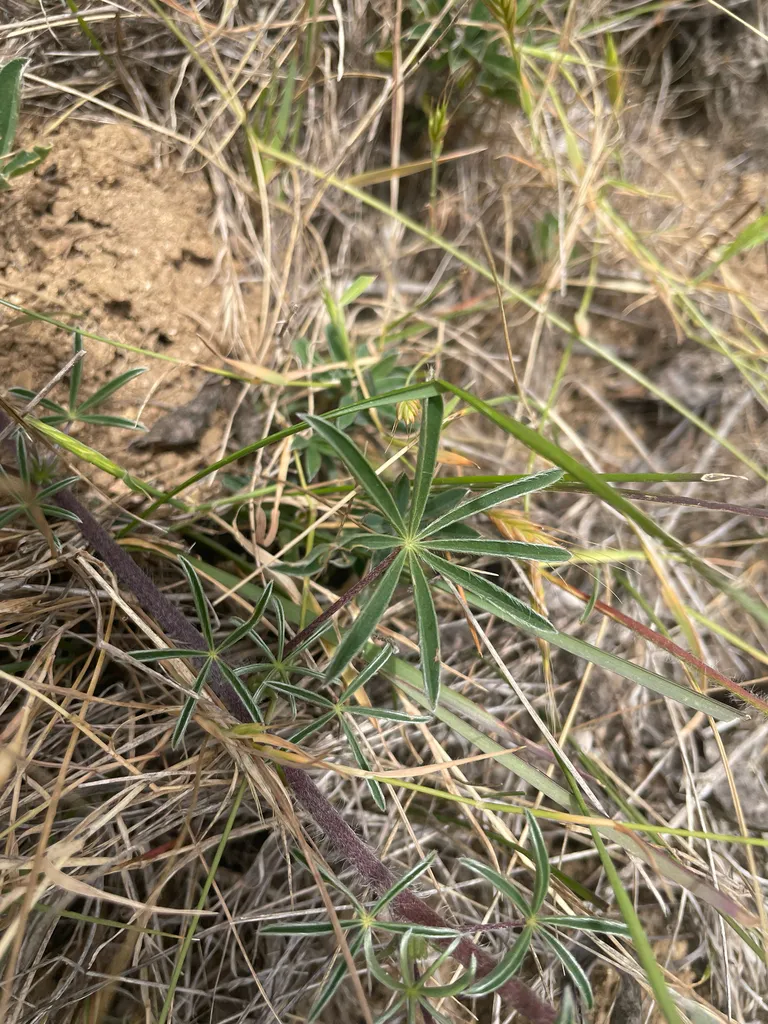
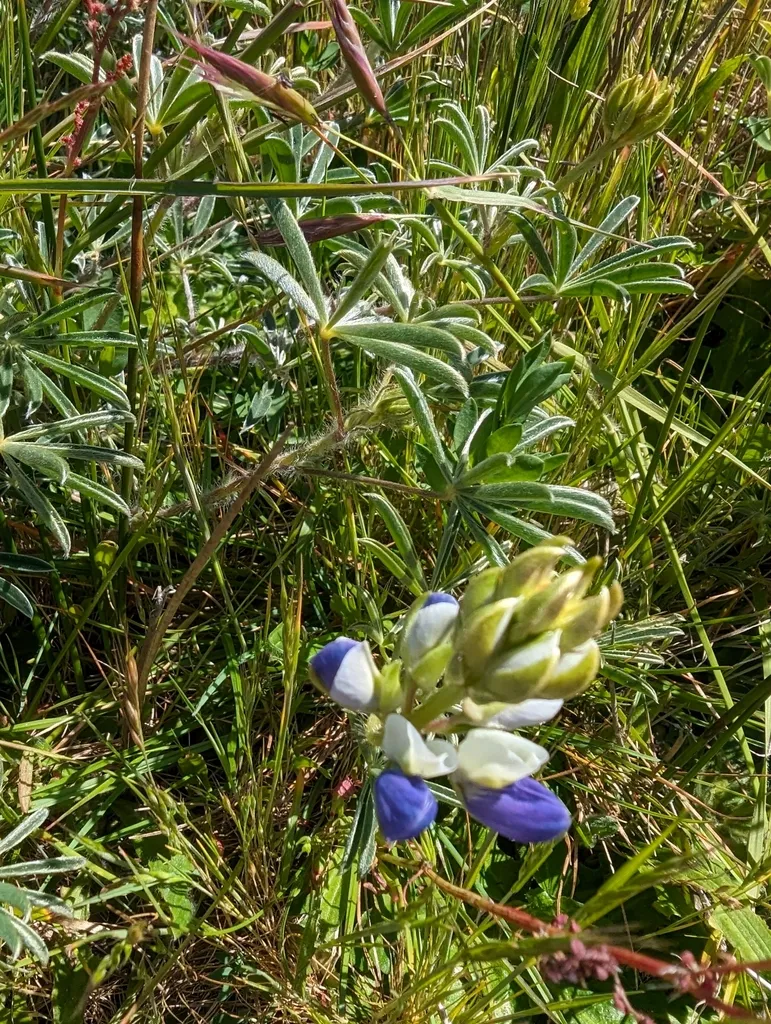
Deciduous, spreading herbaceous plant, sometimes woody at the base, to 50cm tall, forming a mat of mid-green leaves composed of 6-9 leaflets, 3.5cm long with a silvery sheen. Blue and white bicolored flowers, the upper flowers sometimes white and combinations of pink, purple and yellow, appear in short flower spikes, in summer
Scientific classification
- Species
- Lupinus variicolor (Lupinus variicolor)
- Genus
- Lupinus
- Family
- Fabaceae
- Harmful if eaten. Wear gloves and other protective equipment when handling
- Toxicity
- Herbaceous Perennial
- Plant type
- 0.1-0.5 metres
- Height
- 0.1-0.5 metres
- Spread
- Deciduous
- Foliage
- Matforming
- Habit
- Spring · Summer · Autumn
- Season of interest
- Full sun
- Sunlight
- Information to be completed
- Ideal temperature









Lupinus variicolor pictures
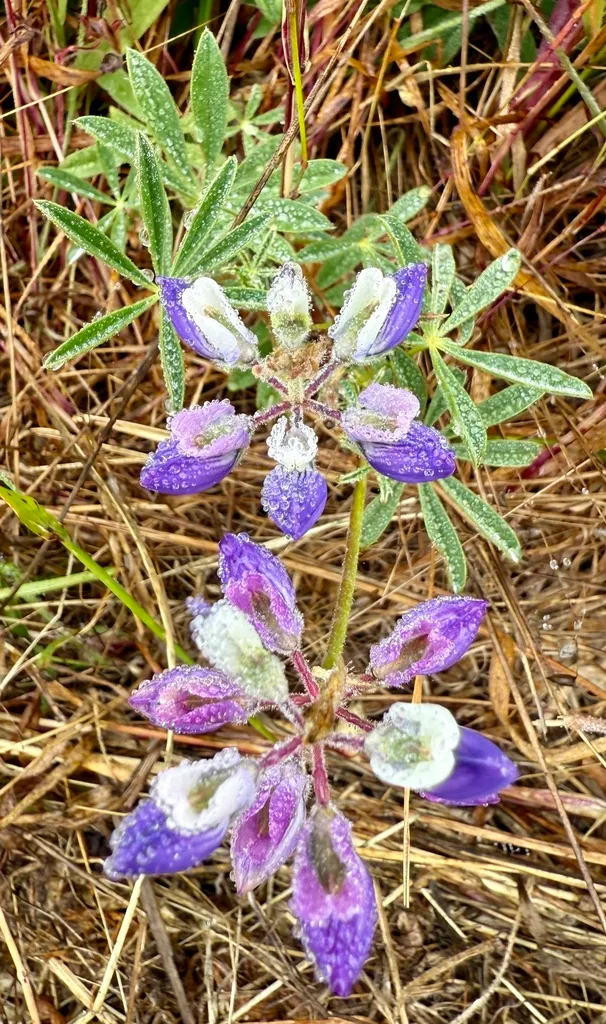
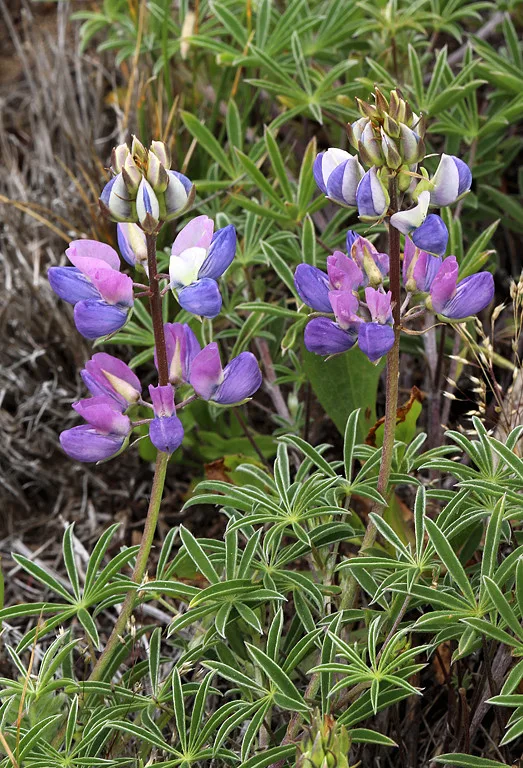
Distribution of Lupinus variicolor
Distribution map
California
Information to be completed
Culture
Information to be completed
Toxicity
Harmful if eaten. Wear gloves and other protective equipment when handling
Quick identification of Lupinus variicolor
Information to be completed
Lupinus variicolor care guide
- Water moderately, avoid overly saturated poorly drained soil media
- Watering
- Full sun
- Sunlight
- Information to be completed
- Ideal temperature

Watering
Water moderately, avoid overly saturated poorly drained soil media
Fertilizing
 Fertilizing
Low phosphorus legume feed monthly throughout spring growth period
Pruning
 Pruning
Deadhead to encourage a second flush of flowers
Propagation
 Propagation
Propagate by seed in early to mid-spring or by basal stem cuttings in mid to late spring
Growing
 Growing
Grow in light and slightly acid, well-drained or sandy soil in full sun. May need staking, see staking perennials. Ideal for container cultivation. See lupin cultivation
People also ask
Information to be completed
Common pests and diseases
Diseases
May be susceptible to lupin anthracnose, Powdery mildews and a virus
Pests
May be susceptible to lupin aphid, slugs and snails
Explore the plant health library →




