
twinflower
Also known as: cinnamon vine; deer vine; eglantine; twin sisters
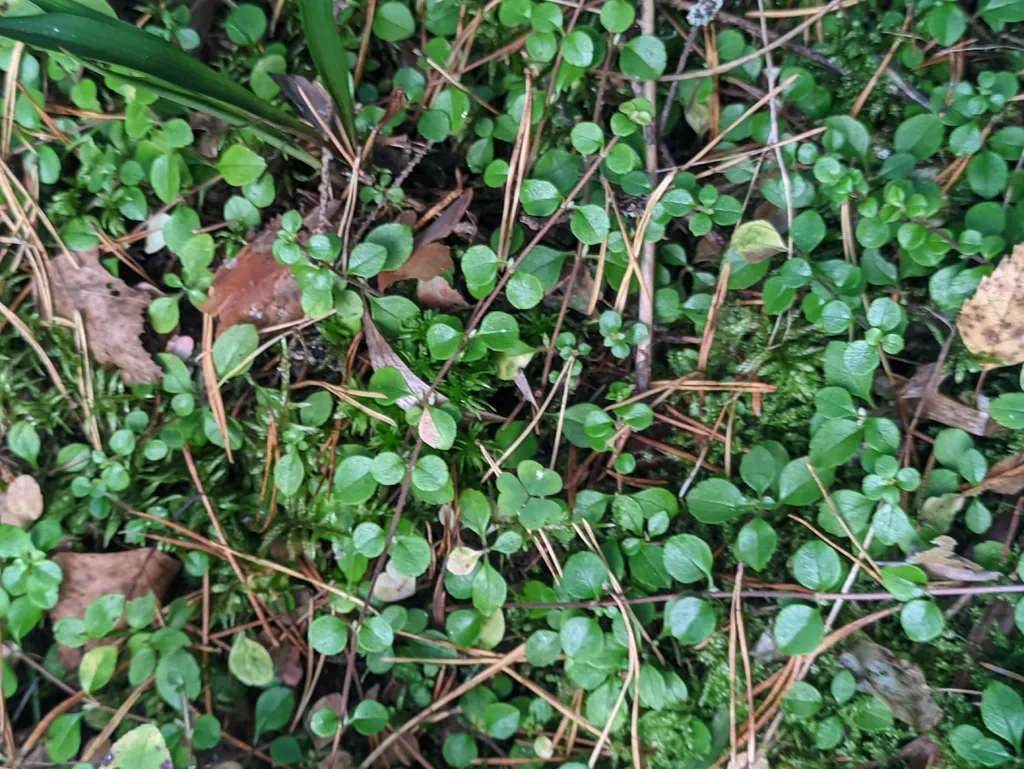
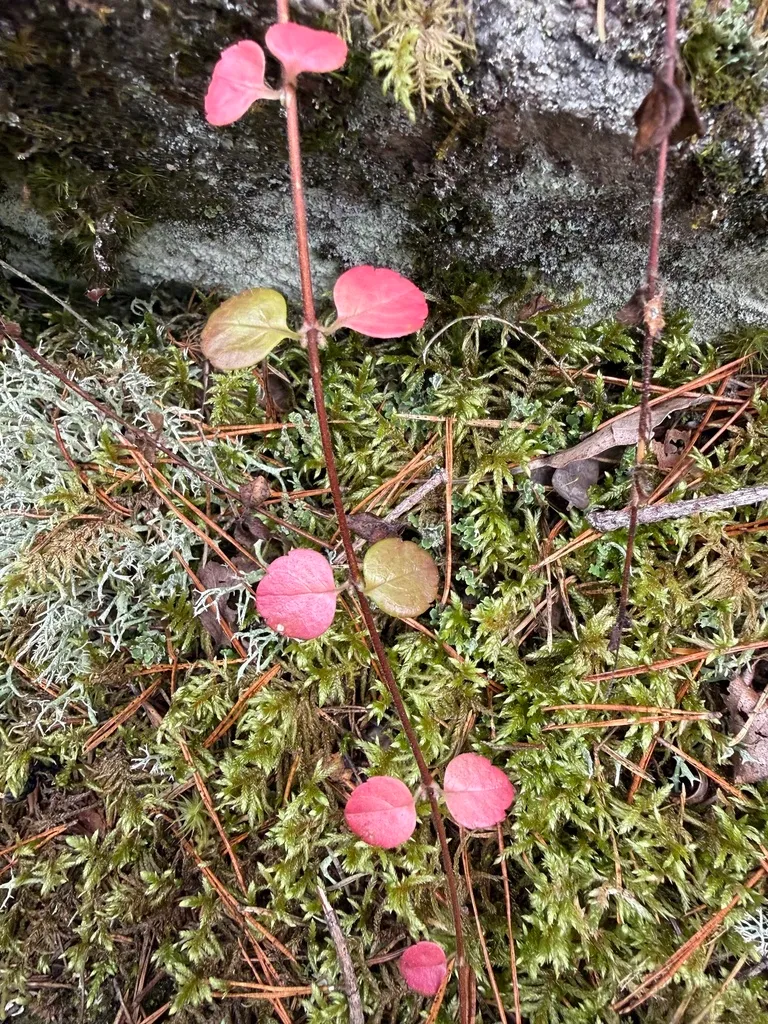
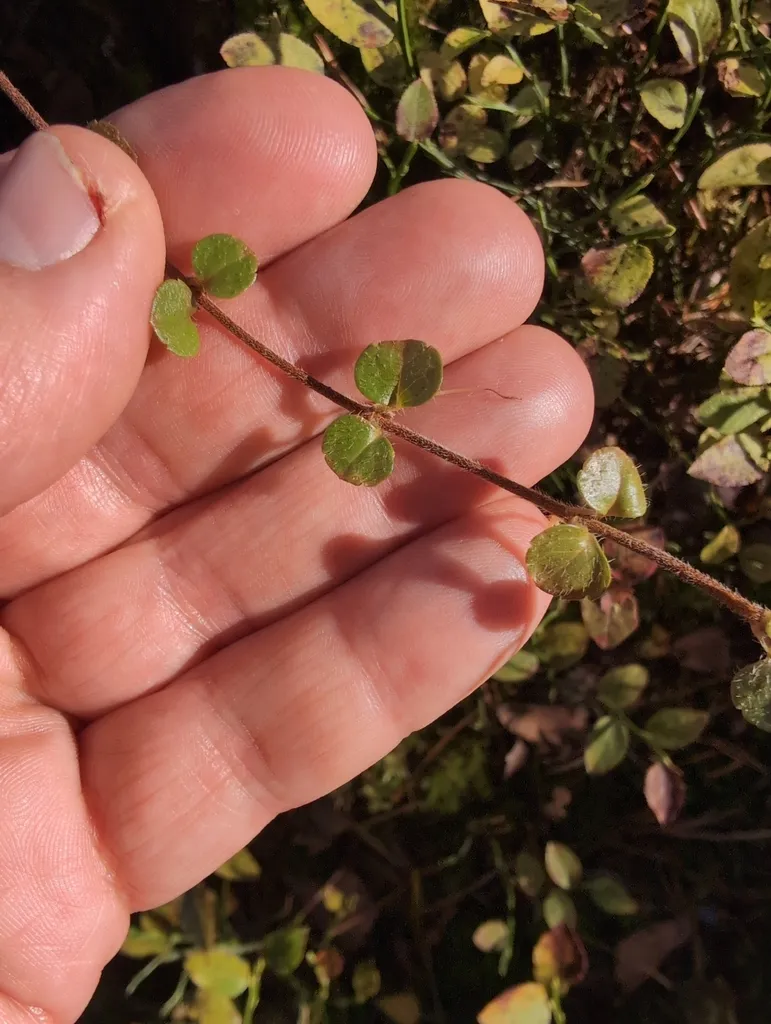
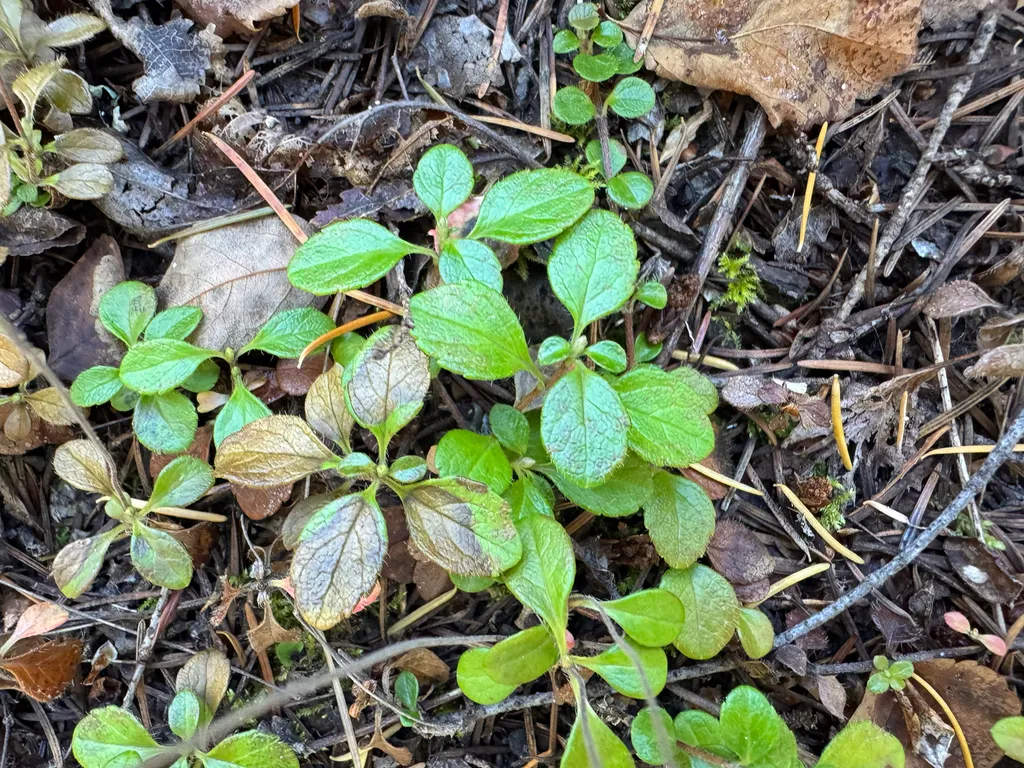
L. borealis is a creeping, mat-forming shrub with small, glossy, dark green leaves with buff undersides. In summer pairs of small, pale pink, nodding, bell-shaped flowers are produced from the tips of leafy side shoots. Overall the plant is only 8cm high, but can spread to a metre or more across
Scientific classification
- Species
- twinflower (Linnaea borealis)
- Genus
- Linnaea
- Family
- Caprifoliaceae
- Information to be completed
- Toxicity
- Shrubs
- Plant type
- Up to 10 cm
- Height
- 0.5-1 metres
- Spread
- Evergreen
- Foliage
- Matforming
- Habit
- Spring · Summer · Autumn · Winter
- Season of interest
- Partial shade
- Sunlight
- Information to be completed
- Ideal temperature









twinflower pictures
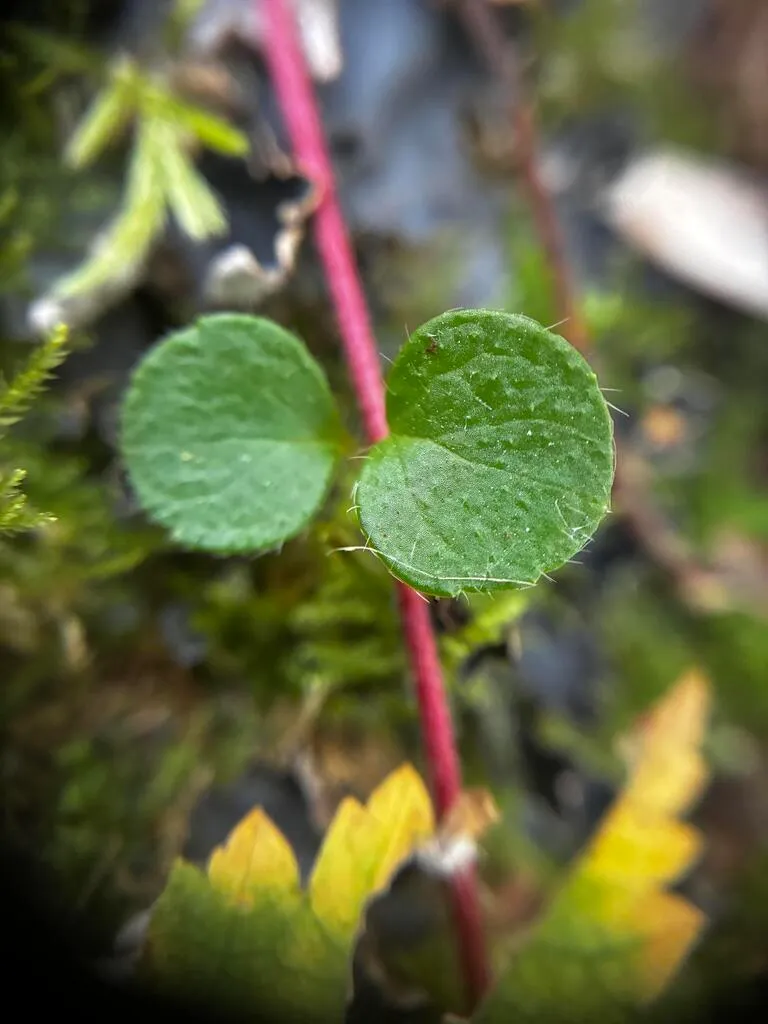
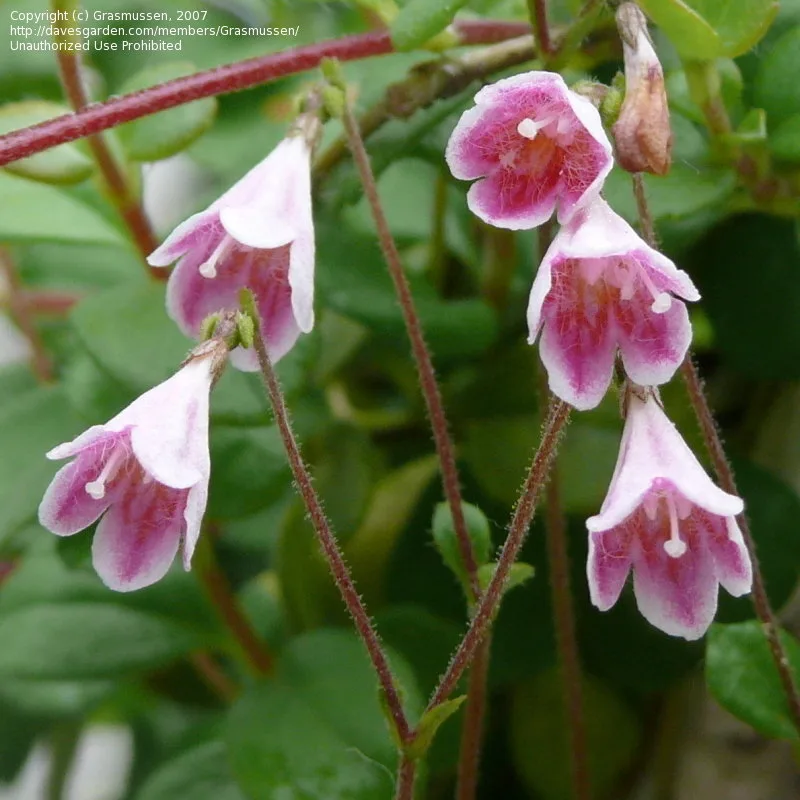
Distribution of twinflower
Distribution map
Temperate N. Hemisphere
Information to be completed
Culture
Information to be completed
Toxicity
Information to be completed
Quick identification of twinflower
Information to be completed
twinflower care guide
- Moderate regular watering, allowing brief slight drying between soakings
- Watering
- Partial shade
- Sunlight
- Information to be completed
- Ideal temperature

Watering
Moderate regular watering, allowing brief slight drying between soakings
Fertilizing
 Fertilizing
Balanced perennial feed every four weeks from spring through summer
Pruning
 Pruning
No pruning needed
Propagation
 Propagation
Propagate by seed sown in containers outdoors in autumn, by taking softwood cuttings in early summer or by potting up rooted runners between autumn and spring
Growing
 Growing
Grow in moderately fertile, humus-rich, reliably moist, acid soil in partial shade
People also ask
Information to be completed
Common pests and diseases
Diseases
Generally disease free
Pests
Generally pest-free
Explore the plant health library →




