
vase plant
Also known as: Information to be completed
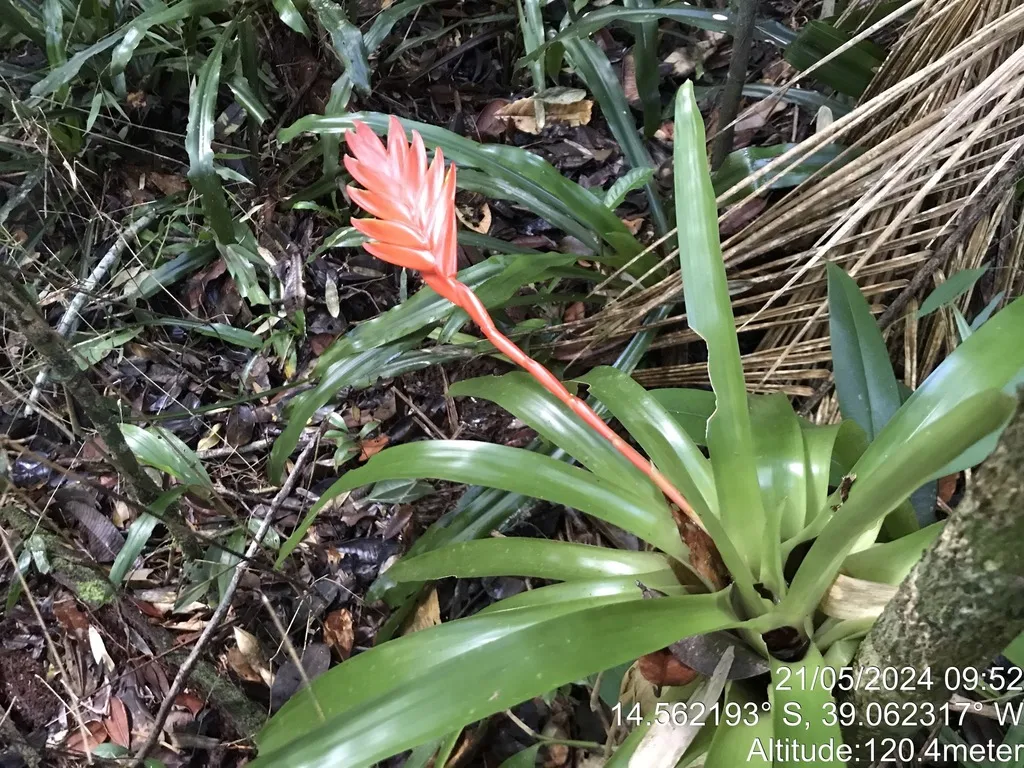
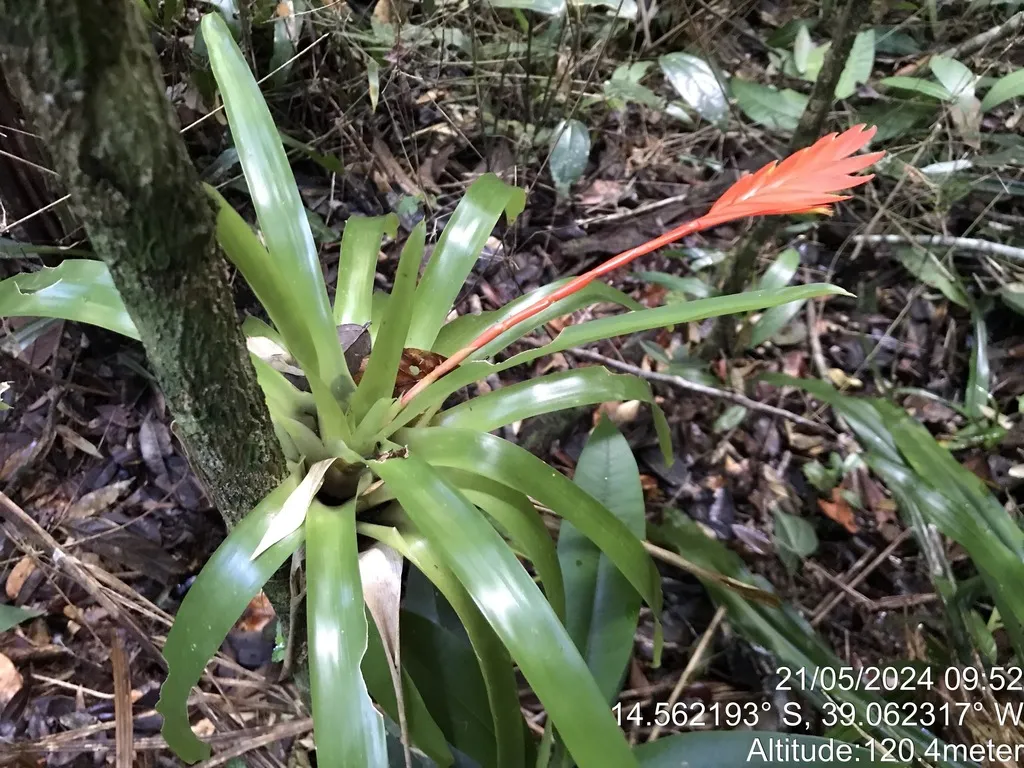
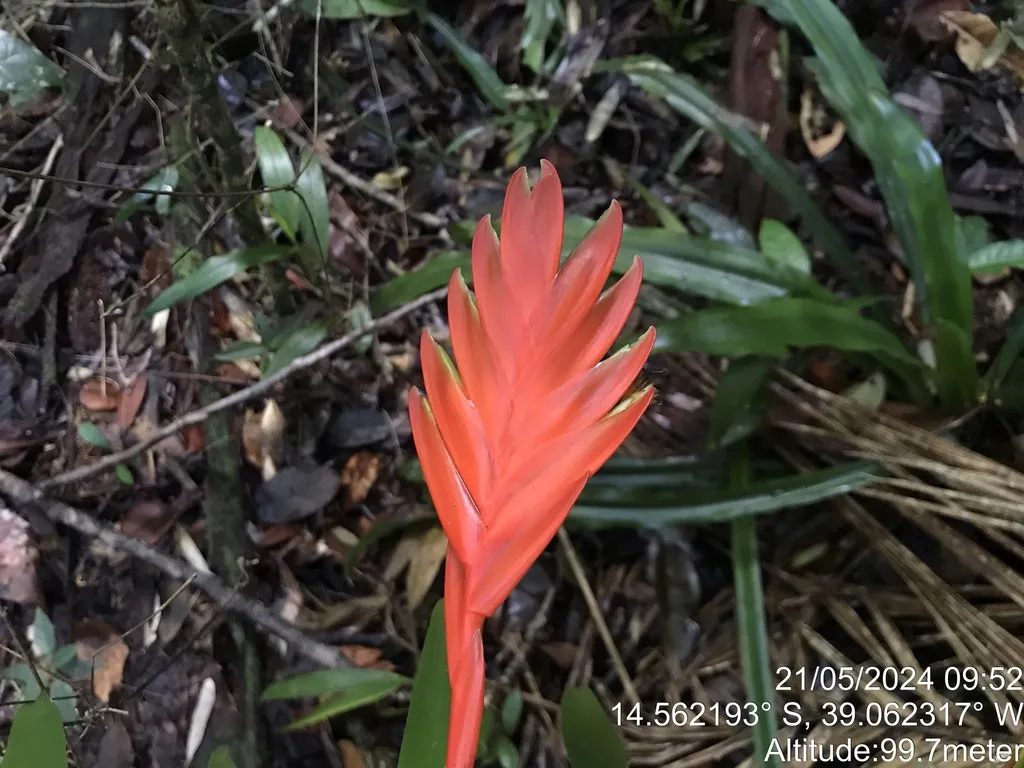
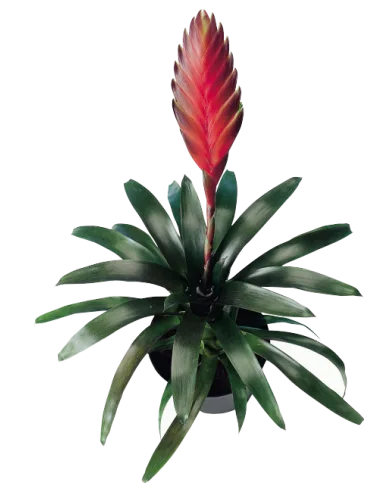
A bromeliad forming a rosette of strap-shaped, light green leaves to 45cm across. In summer a waxy, red, flattened flower spike is produced, form which emerge tubular, yellow flowers. The flower spike remains decorative for many weeks
Scientific classification
- Species
- vase plant (Vriesea duvaliana)
- Genus
- Vriesea
- Family
- Bromeliaceae
- Order
- Poales
- Class
- Magnoliopsida
- Phylum
- Tracheophyta
- Information to be completed
- Toxicity
- Houseplants
- Plant type
- 0.1-0.5 metres
- Height
- 0.1-0.5 metres
- Spread
- Evergreen
- Foliage
- Tufted
- Habit
- Spring · Summer · Autumn · Winter
- Season of interest
- Partial shade
- Sunlight
- Information to be completed
- Ideal temperature









vase plant pictures
Distribution of vase plant
Distribution map
- Native
- Introduced
- Cultivated
Source:WCVP v16 · Royal Botanic Gardens, Kew · CC BY 3.0 · Boundaries:WGSRPD / TDWG
vase plant care guide
- Moderate regular watering, allowing brief slight drying between soakings
- Watering
- Partial shade
- Sunlight

Watering
Moderate regular watering, allowing brief slight drying between soakings
Fertilizing
 Fertilizing
Balanced perennial feed every four weeks from spring through summer
Pruning
 Pruning
No pruning required
Propagation
 Propagation
Propagate by seed or removal of offsets in spring
Growing
 Growing
Under glass, grow in pots of standard epiphytic bromeliad compost in bright, indirect light. In the growing season, keep the rosettes filled with soft water, mist daily, and apply a half-strength balanced liquid fertiliser monthly. Keep just moist in winter. See Bromeliad cultivation
Common pests and diseases
Diseases
Generally disease-free
Pests
May be susceptible to scale insects
Explore the plant health library →




