
crappe
Also known as: English rye grass; ever grass; perennial rye grass; ray; ray grass; red darnel; rye grass; white nonesuch
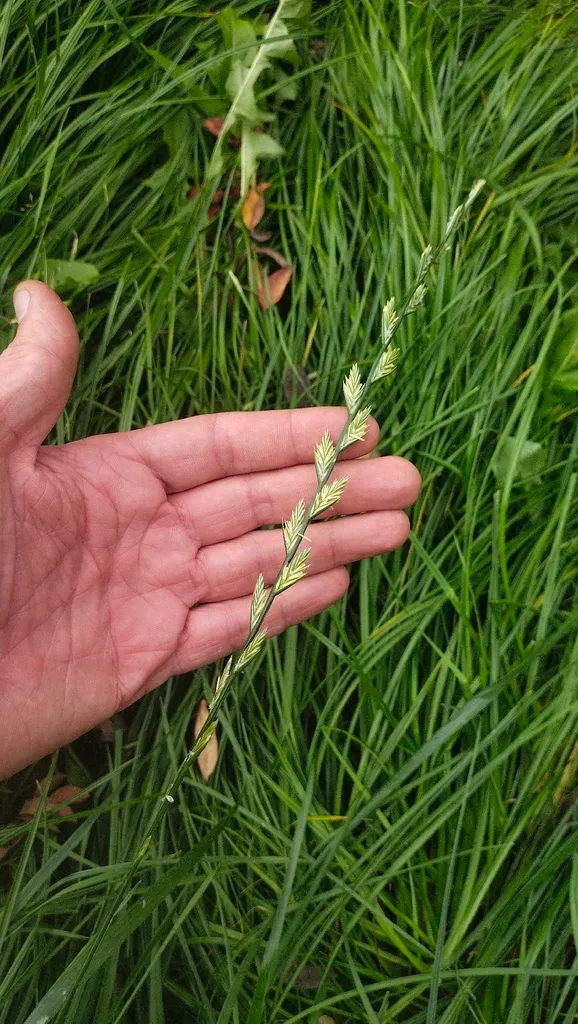
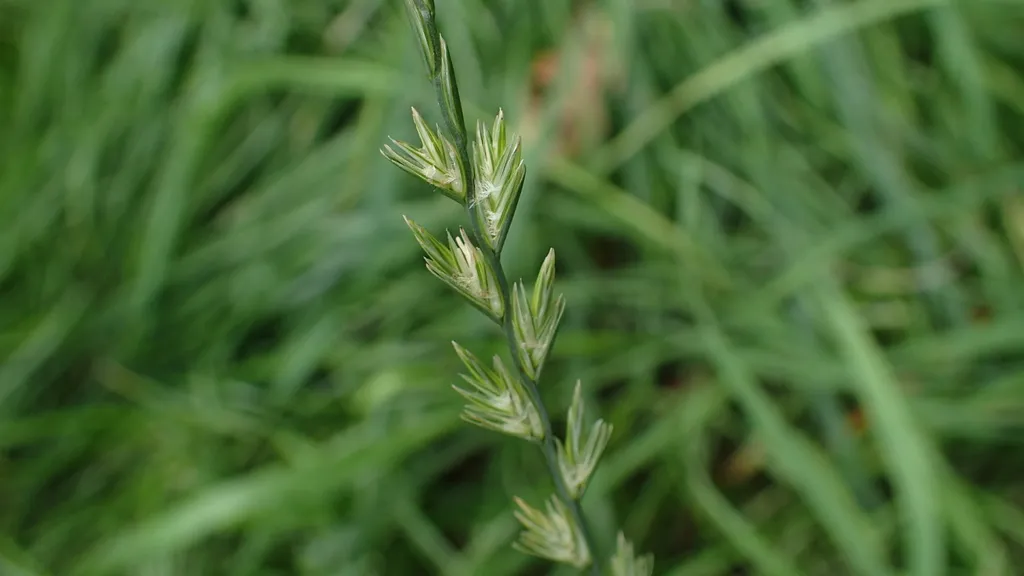
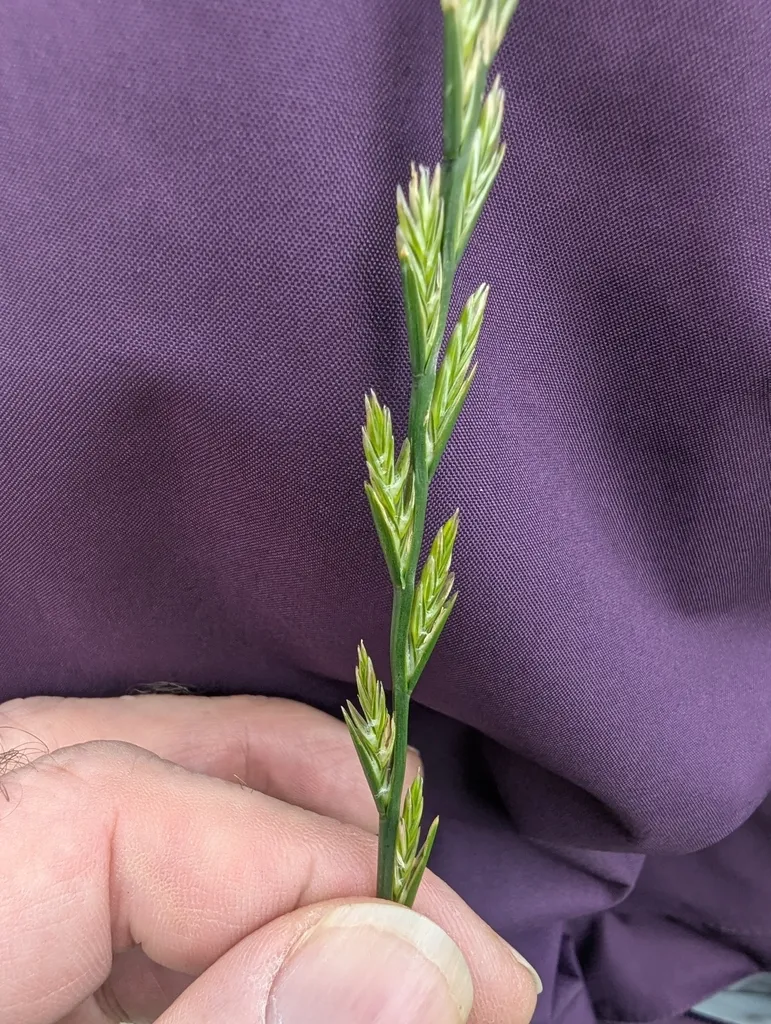
Fast-growing, loosely-tufted evergreen, perennial grass about 1m in height, with mid-green to blue-green leaves and distinctive greenish-brown flower spikelets arranged tightly and alternately on opposite sides up the flowering stem. In many countries it has widespread use in lawn seed mixtures or turf, a crop for grazing, soil stabilising and pasture improvement
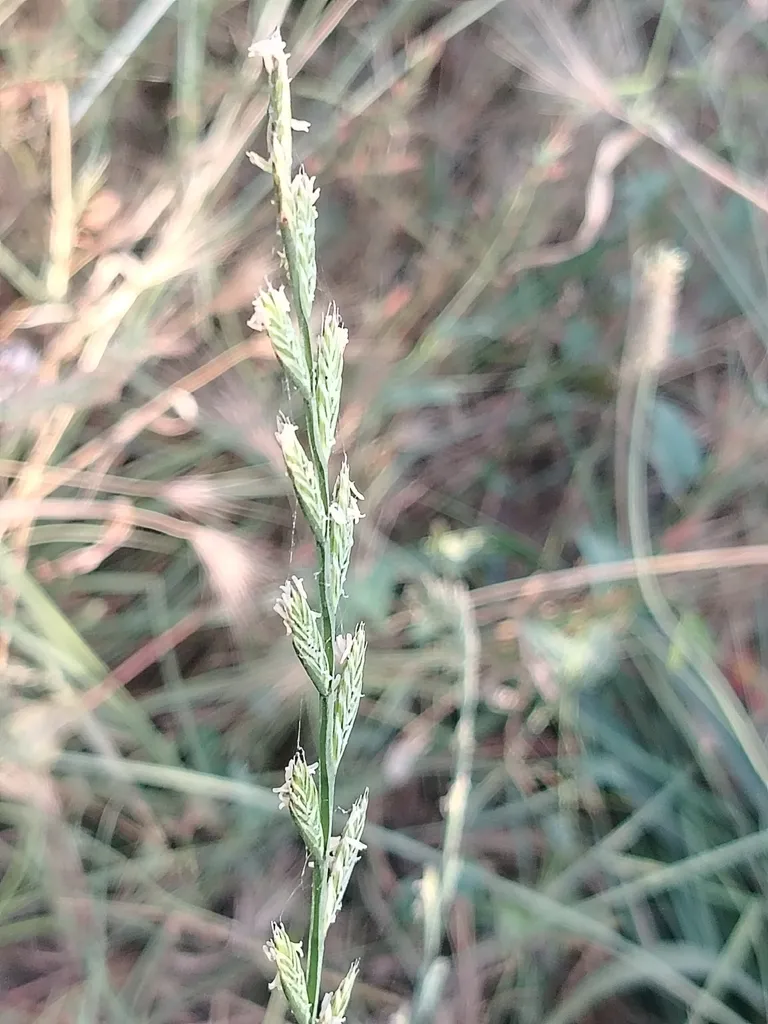
Scientific classification
- Species
- crappe (Lolium perenne)
- Genus
- Lolium
- Family
- Poaceae
- Order
- Poales
- Class
- Liliopsida
- Phylum
- Magnoliophyta
- Information to be completed
- Toxicity
- Grass Like
- Plant type
- 0.5-1 metres
- Height
- wider than 8 metres
- Spread
- Evergreen
- Foliage
- Clump forming · Tufted
- Habit
- Spring · Summer · Autumn · Winter
- Season of interest
- Full sun
- Sunlight
- Information to be completed
- Ideal temperature









crappe pictures
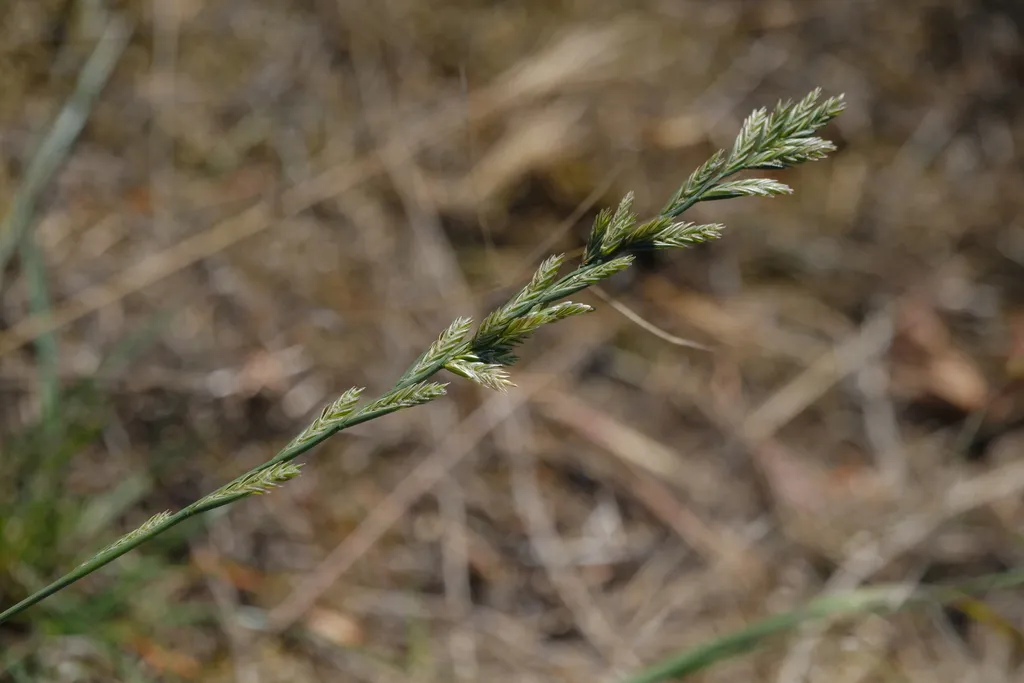
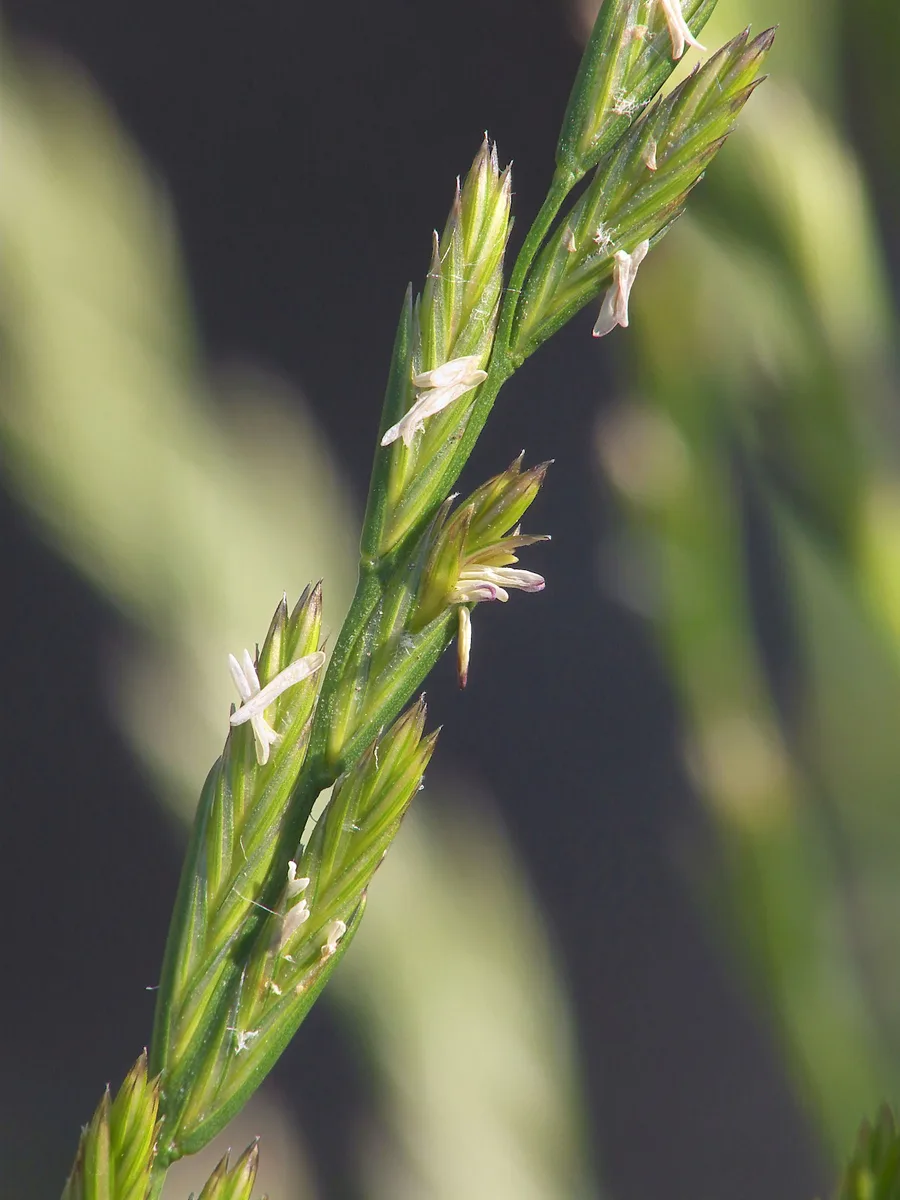
Distribution of crappe
Distribution map
- Native
- Introduced
- Cultivated
Locally extinct or doubtful records are excluded from native and introduced layers.
Source:WCVP v16 · Royal Botanic Gardens, Kew · CC BY 3.0 · Boundaries:WGSRPD / TDWG
crappe care guide
- Regular light watering, maintain steady surface soil dampness
- Watering
- Full sun
- Sunlight

Watering
Regular light watering, maintain steady surface soil dampness
Fertilizing
 Fertilizing
Lawn grass low-nitrogen feed every four weeks growing season
Pruning
 Pruning
Cut down dead growth in autumn
Propagation
 Propagation
Propagate by seed in early spring or autumn, or by division from mid spring to early autumn
Growing
 Growing
Grow in any well-drained soil in full sun. Suited to lawns and turf and spread is indefinite so may be difficult to contain unless regularly maintained or used in a wild garden
Common pests and diseases
Diseases
May be susceptible to a rust
Pests
May be susceptible to chafer grubs in lawns
Explore the plant health library →




