
alpine honeysuckle
Also known as: Information to be completed
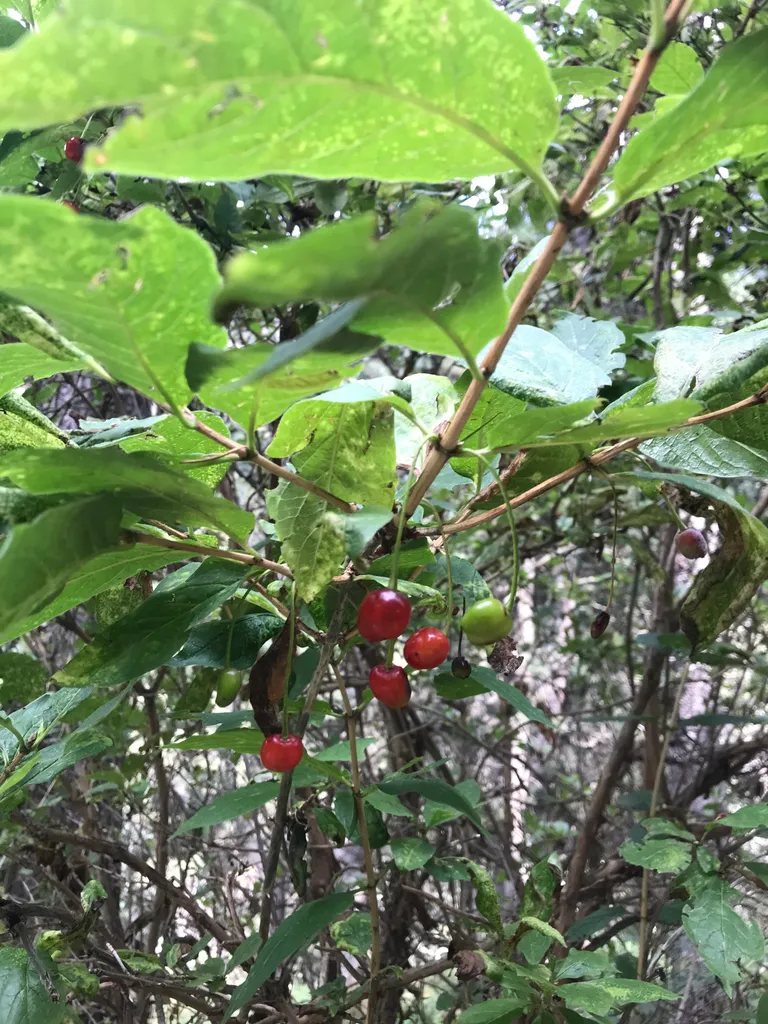
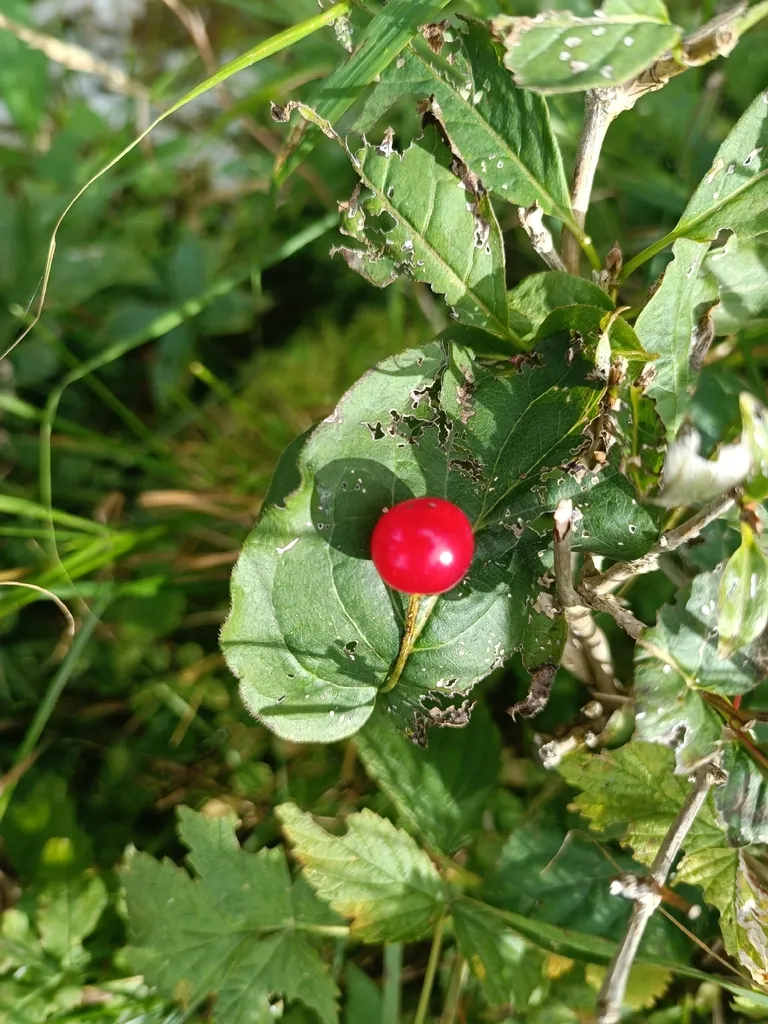
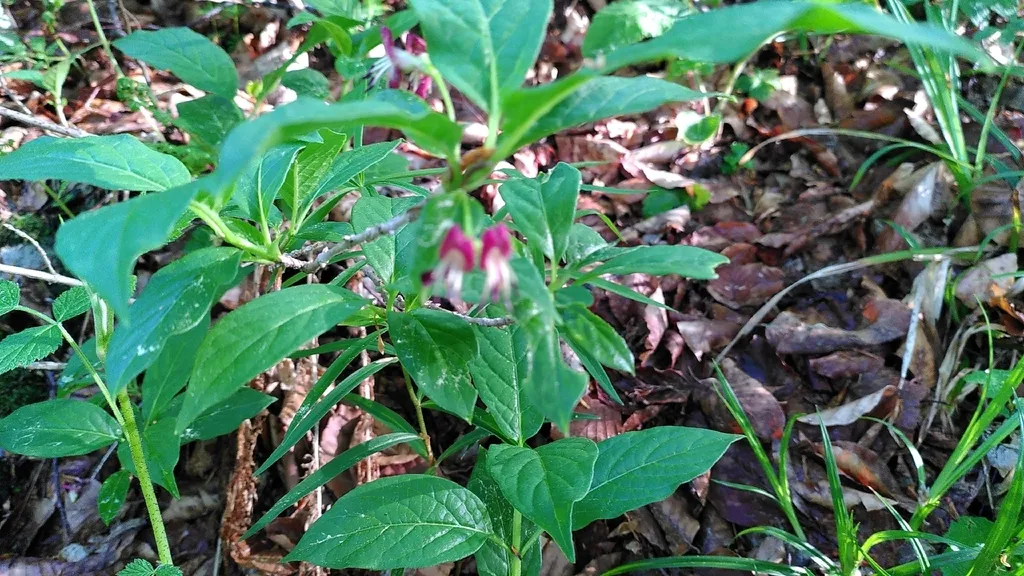
A deciduous shrub to 2m tall, it has quite large round leaves for a honeysuckle. Flowers are borne on long stems and vary in shade from cream-tinged pink to fully dark pink. These develop into large red berries which, on their long stalks, resemble small cherries
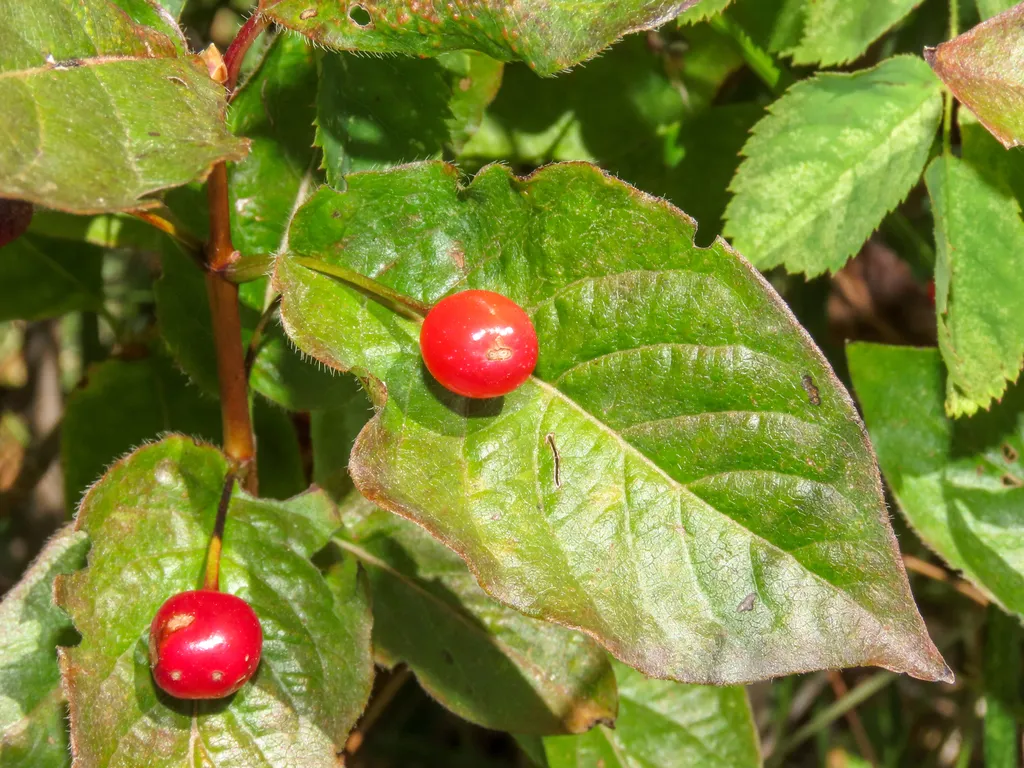
Scientific classification
- Species
- alpine honeysuckle (Lonicera alpigena)
- Genus
- Lonicera
- Family
- Caprifoliaceae
- Order
- Dipsacales
- Class
- Magnoliopsida
- Phylum
- Magnoliophyta
- Fruit are ornamental - not to be eaten. Wear gloves and other protective equipment when handling
- Toxicity
- Shrubs
- Plant type
- 1.5-2.5 metres
- Height
- 1.5-2.5 metres
- Spread
- Deciduous
- Foliage
- Bushy
- Habit
- Spring · Summer · Autumn
- Season of interest
- Full sun · Partial shade
- Sunlight
- Information to be completed
- Ideal temperature









alpine honeysuckle pictures
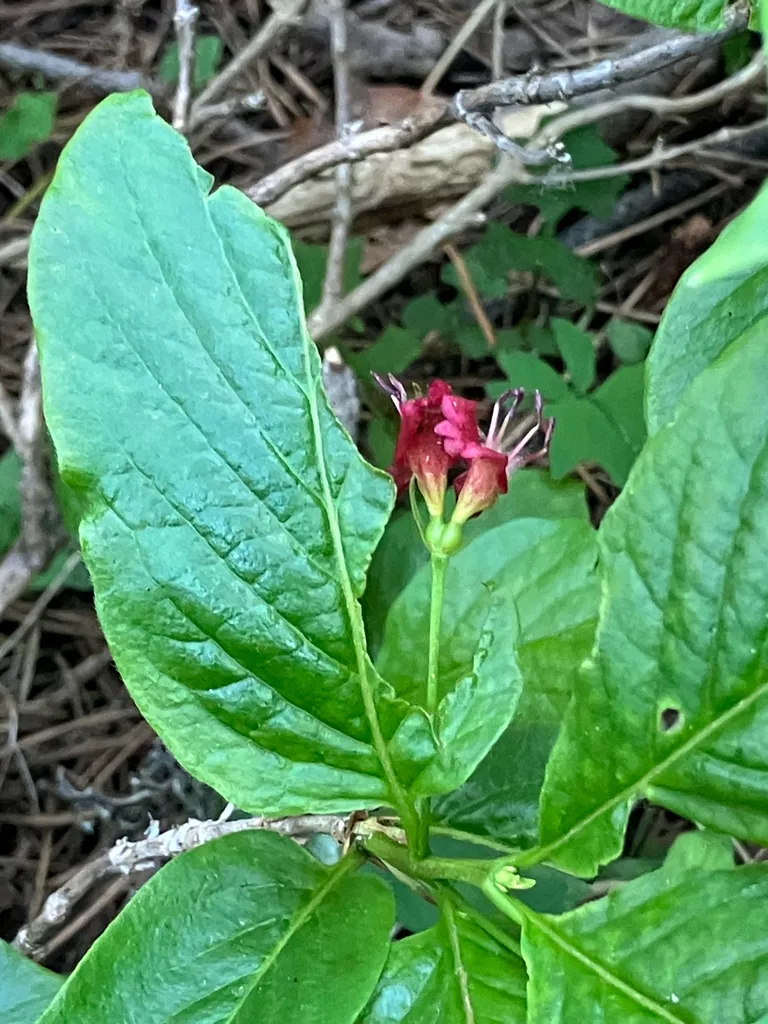
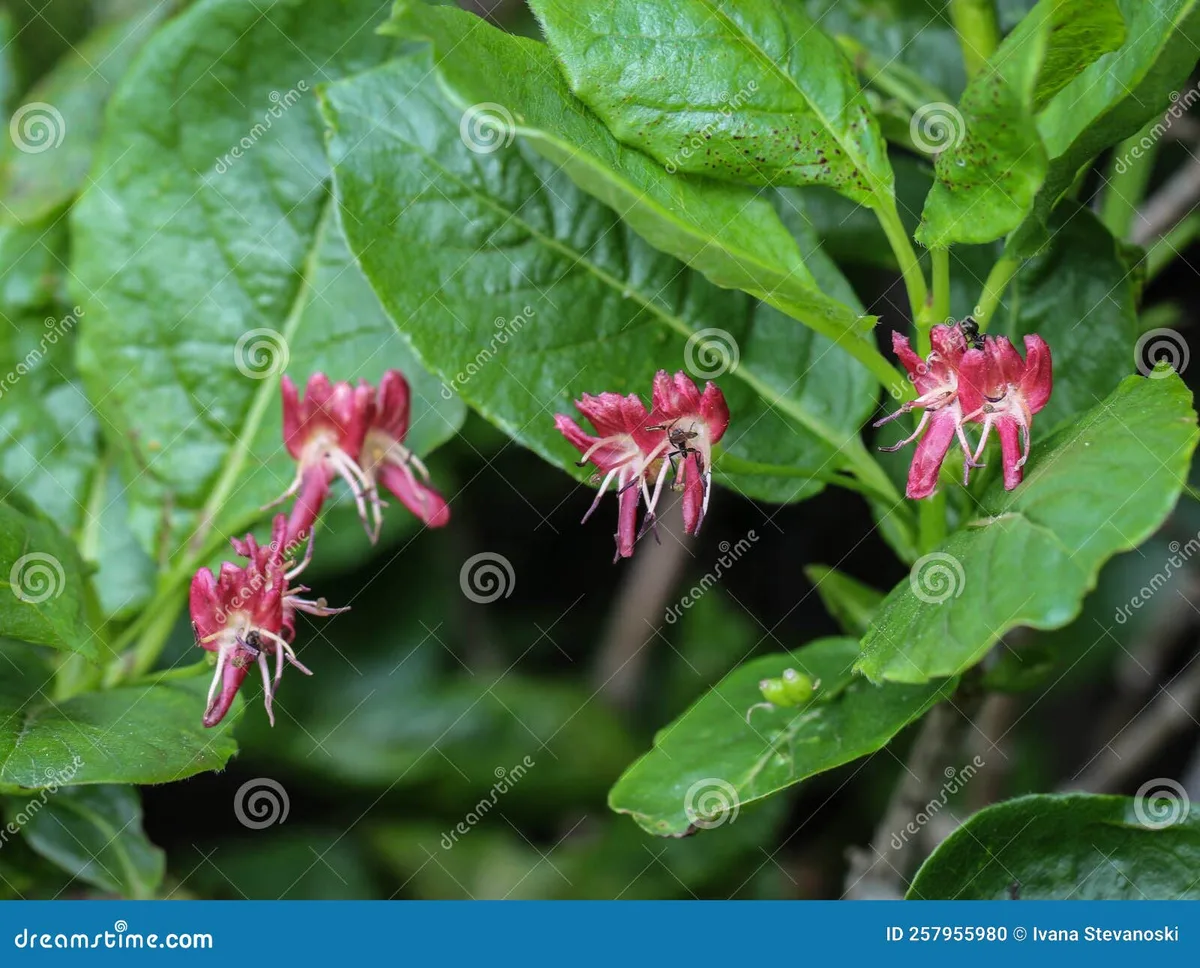
Distribution of alpine honeysuckle
Distribution map
C and Southern Europe
Toxicity
Fruit are ornamental - not to be eaten. Wear gloves and other protective equipment when handling
alpine honeysuckle care guide
- Moderate regular watering, avoid prolonged drought or waterlogging
- Watering
- Full sun · Partial shade
- Sunlight

Watering
Moderate regular watering, avoid prolonged drought or waterlogging
Fertilizing
 Fertilizing
Balanced feed in spring and light repeat in growth season
Pruning
 Pruning
Cut flowered growth back to strong young shoots below, removing up to a fifth of old stems near the base each year. Prune immediately after flowering.
Propagation
 Propagation
Propagate from hardwood cuttings, softwood cutttings or semi-ripe cutting at each time of year. Or propagate from seed (tree/shrub
Growing
 Growing
Grow in any well-drained soil in full or partial sun. See honeysuckle (shrubby) cultivation for further advice
Common pests and diseases
Diseases
May be susceptible to powdery mildews
Pests
May be susceptible to aphids
Explore the plant health library →




