
stuffing gourd
Also known as: achoccha; achocha; acoccha; caigua; climbing cucumber; korila
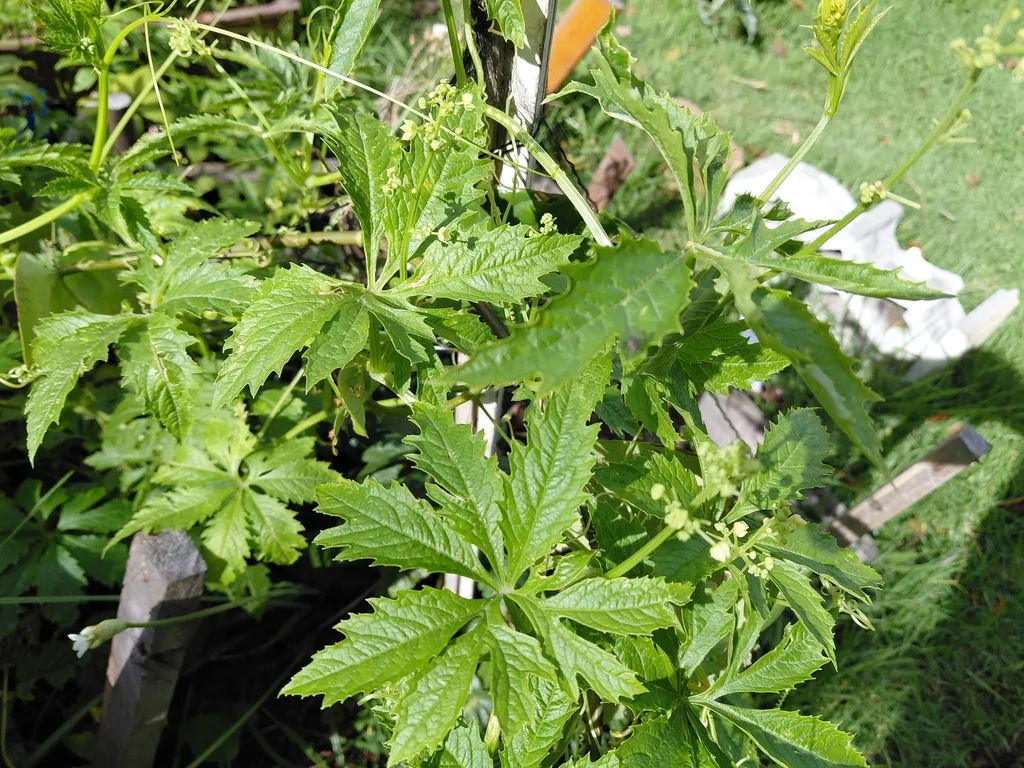
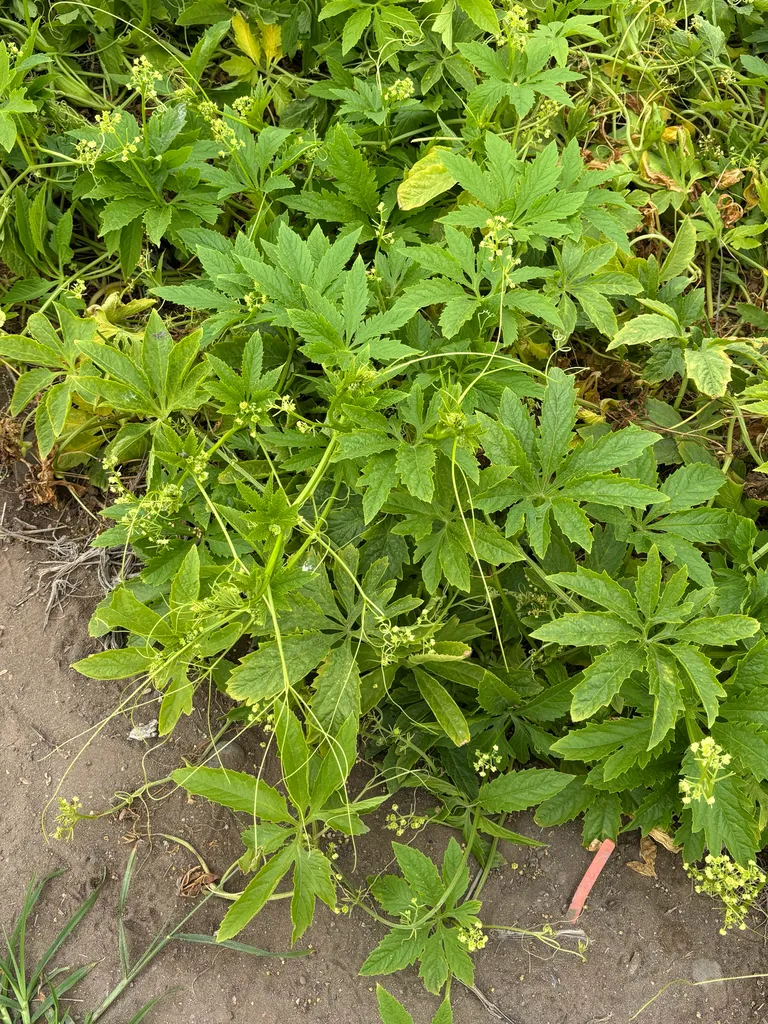
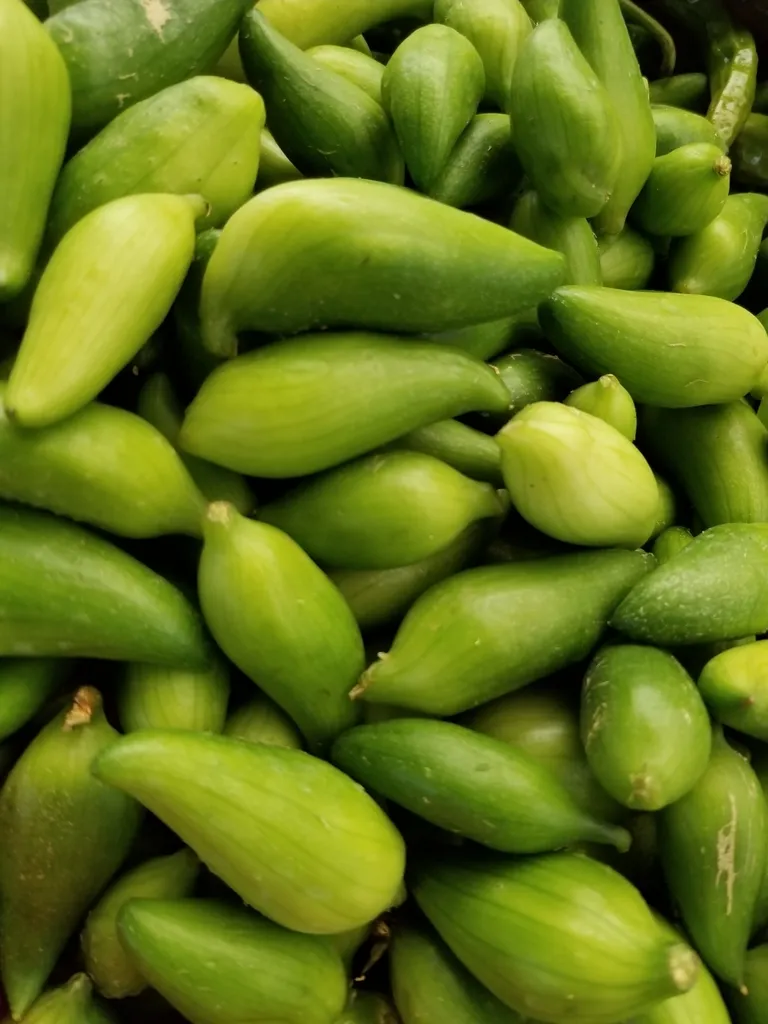
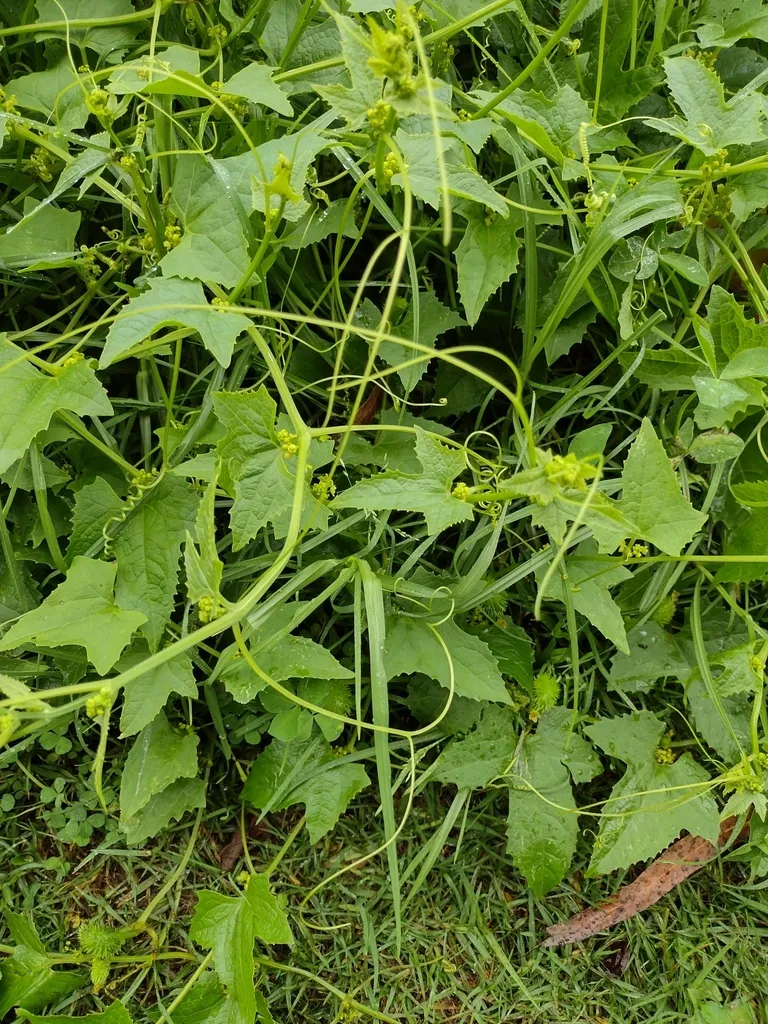
An annual, 3m or more high, climbing by tendrils, with leaves up to 20cm across, divided into from five to ten lance-shaped green lobes, panicles 10-20cm long of greenish white male flowers about 5mm across, and solitary greenish white female flowers, followed by green fruits, 5-15cm long, which are edible and eaten as a vegetable, either raw when young or cooked when mature after removing the seeds
Scientific classification
- Species
- stuffing gourd (Cyclanthera pedata)
- Genus
- Cyclanthera
- Family
- Cucurbitaceae
- Information to be completed
- Toxicity
- Annual Biennial · Fruit Edible
- Plant type
- 2.5-4 metres
- Height
- 1.5-2.5 metres
- Spread
- Deciduous
- Foliage
- Climbing
- Habit
- Spring · Summer · Autumn
- Season of interest
- Full sun · Partial shade
- Sunlight
- Information to be completed
- Ideal temperature









stuffing gourd pictures
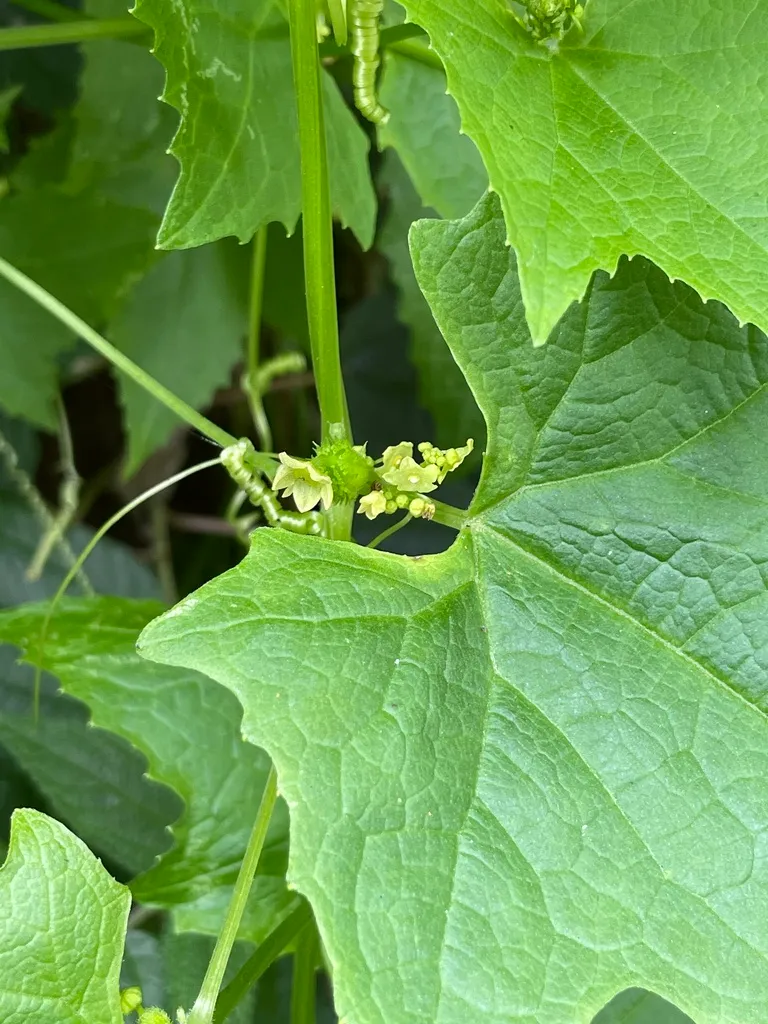
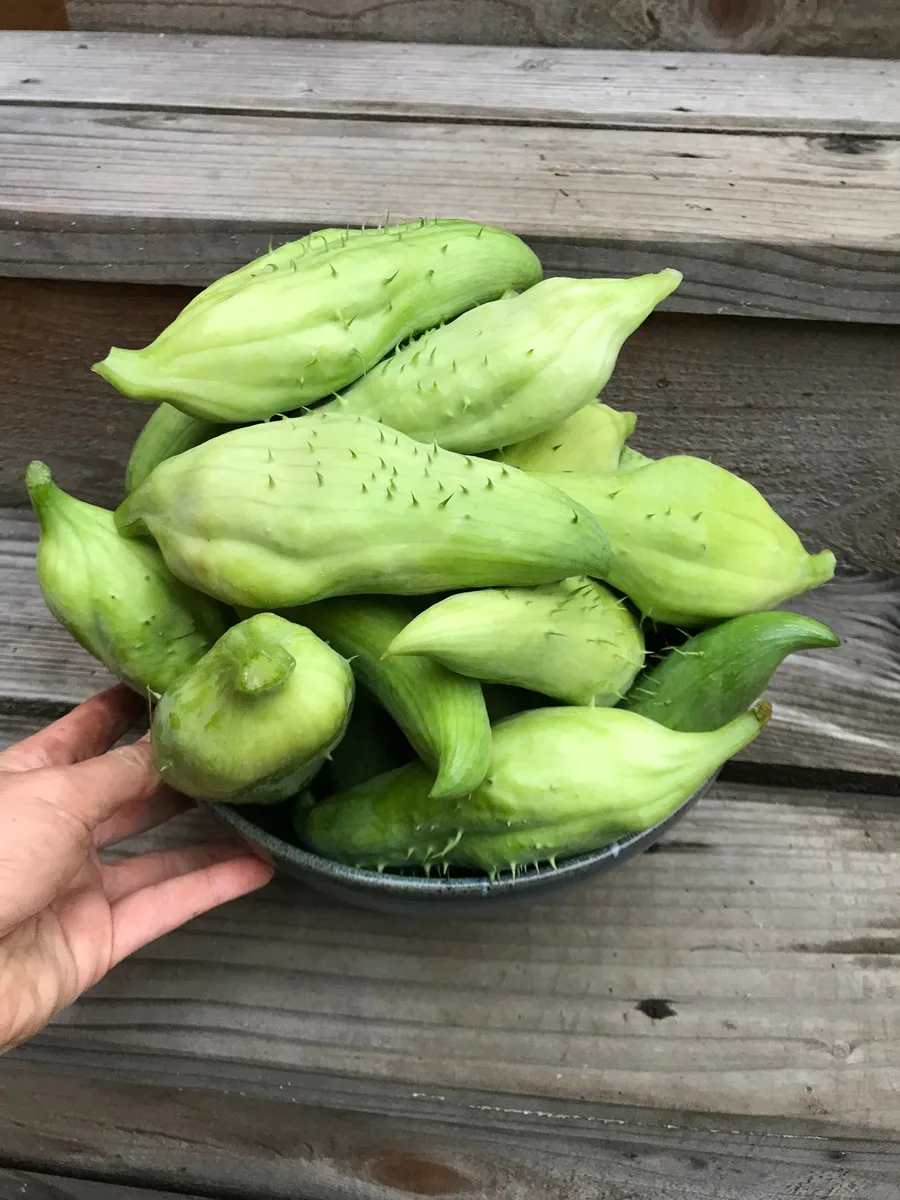
Distribution of stuffing gourd
Distribution map
Information to be completed
Information to be completed
Culture
Information to be completed
Toxicity
Information to be completed
Quick identification of stuffing gourd
Information to be completed
stuffing gourd care guide
- Consistently evenly moist soil for vigorous vine leaf development
- Watering
- Full sun · Partial shade
- Sunlight
- Information to be completed
- Ideal temperature

Watering
Consistently evenly moist soil for vigorous vine leaf development
Fertilizing
 Fertilizing
Balanced climbing vegetable feed biweekly active growth season
Pruning
 Pruning
No pruning required
Propagation
 Propagation
Propagate by seed sown in spring, and plant seedlings out when all danger of frost has passed
Growing
 Growing
Grow in a glasshouse in medium humidity and bright, filtered light, or outdoors after all risk of frost has passed, in a warm sheltered position, in sun or light shade, in humus-rich, water-retentive, gritty, free-draining compost or soil, and provide support such as trellis or netting
People also ask
Information to be completed
Common pests and diseases
Diseases
Generally disease-free
Pests
Generally pest-free but may be affected by glasshouse red spider mite
Explore the plant health library →




