
black jewel orchid
Also known as: Information to be completed
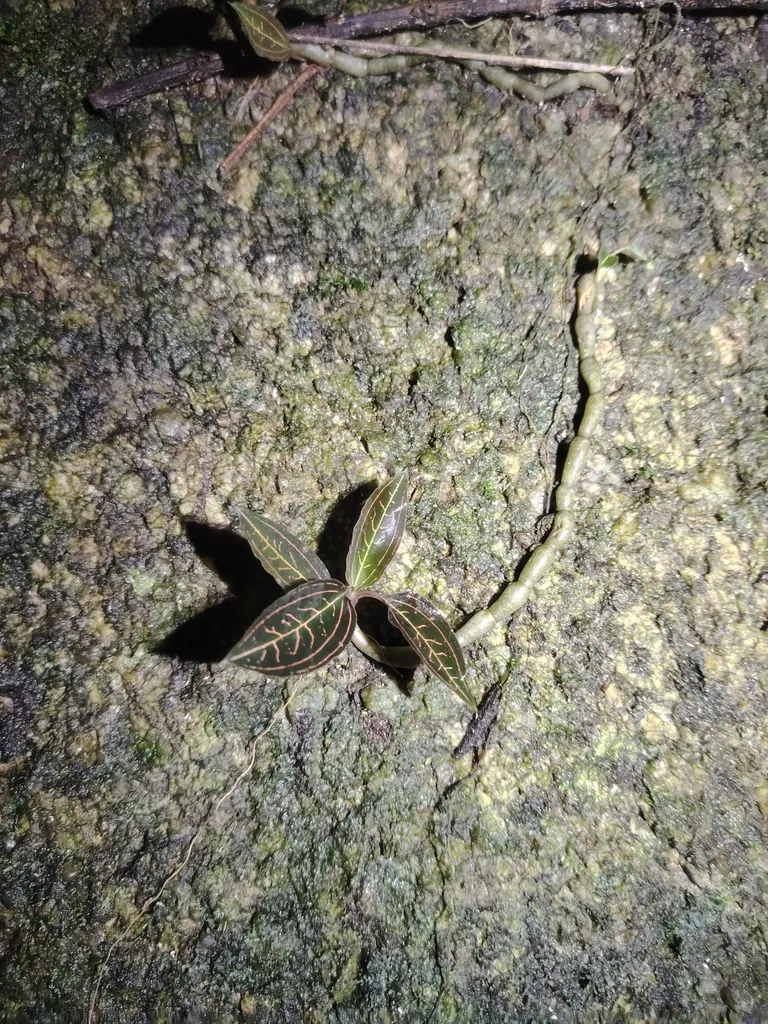
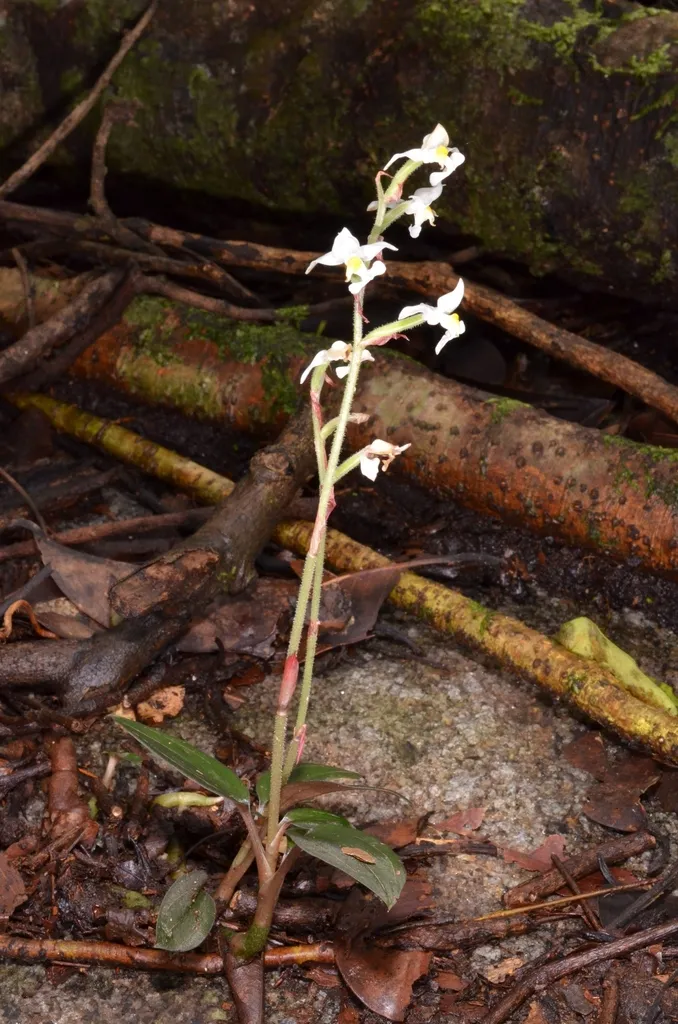
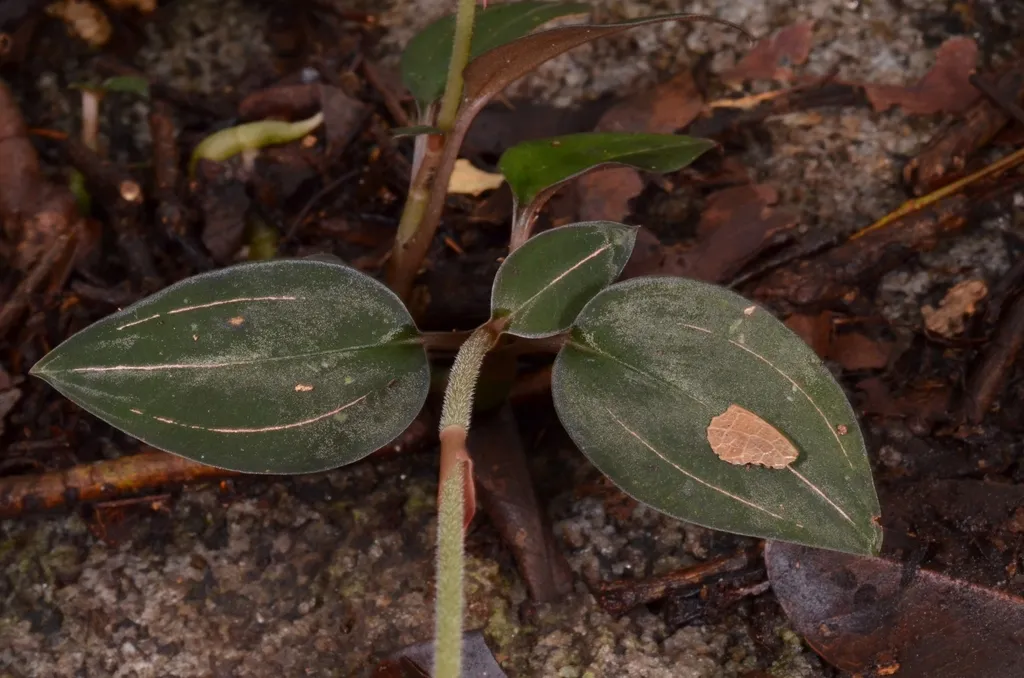
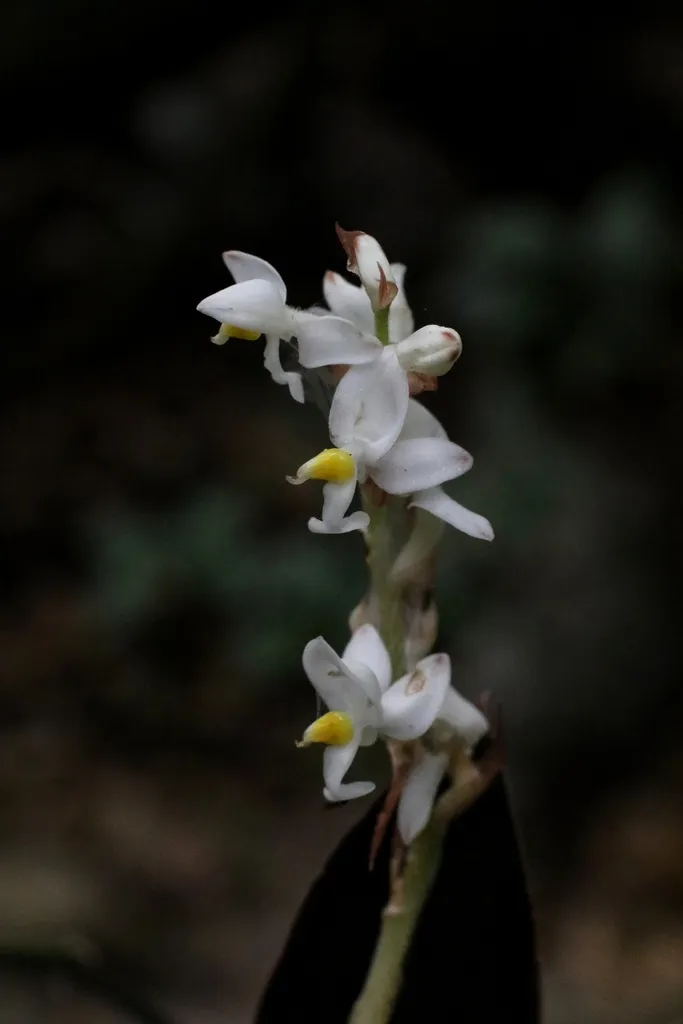
L. discolor is a terrestrial orchid with a creeping rhizome and velvety, dark purple-brown leaves, 4-7cm long with red or gold veins; flowers to 2cm long are borne on an 8cm stem and are white with a yellow lip
Scientific classification
- Species
- black jewel orchid (Ludisia discolor)
- Genus
- Ludisia
- Family
- Orchidaceae
- Order
- Asparagales
- Class
- Liliopsida
- Phylum
- Magnoliophyta
- Information to be completed
- Toxicity
- Conservatory Greenhouse · Houseplants
- Plant type
- 0.1-0.5 metres
- Height
- 0.1-0.5 metres
- Spread
- Information to be completed
- Foliage
- Information to be completed
- Habit
- Spring
- Season of interest
- Partial shade
- Sunlight
- Information to be completed
- Ideal temperature









black jewel orchid pictures
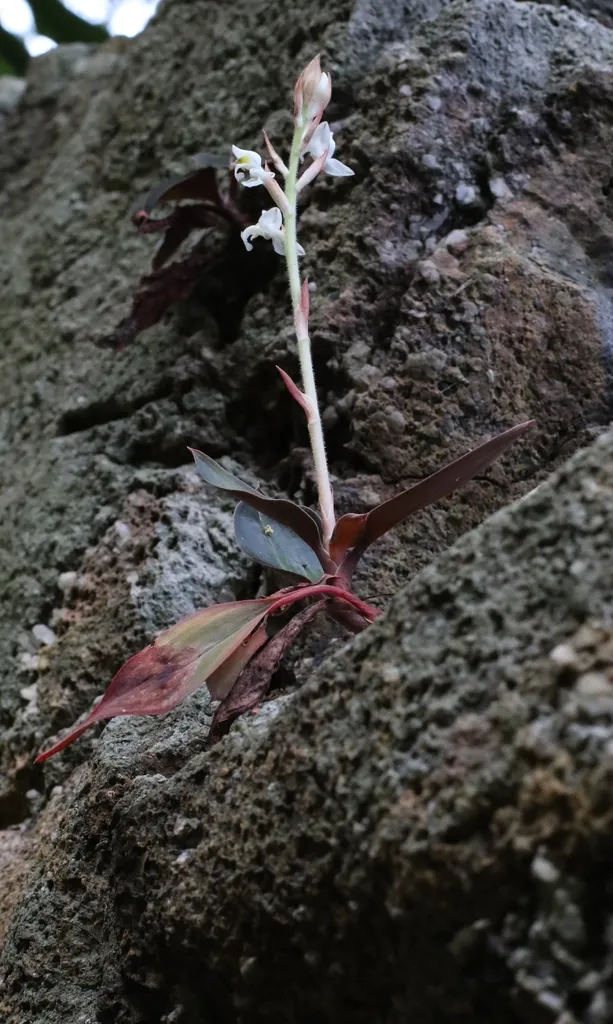
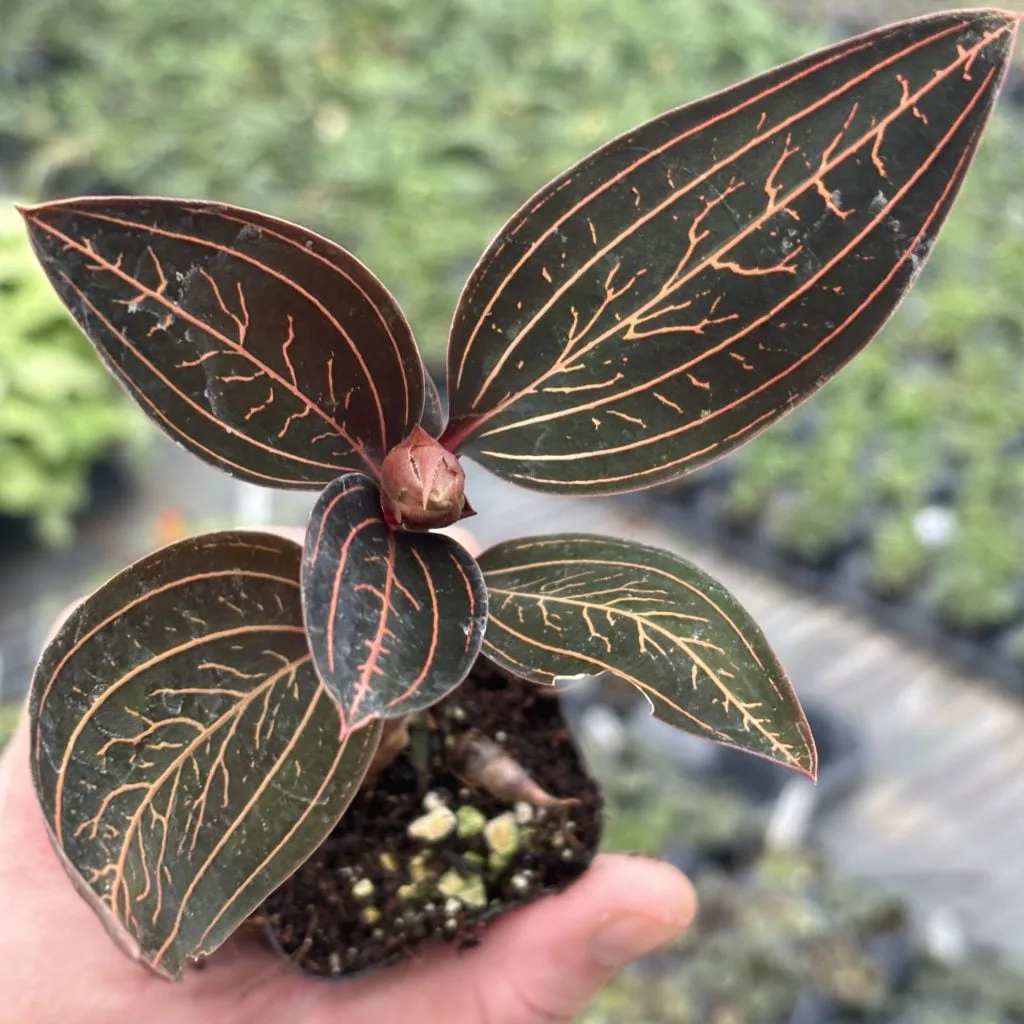
Distribution of black jewel orchid
Distribution map
- Native
- Introduced
- Cultivated
Source:WCVP v16 · Royal Botanic Gardens, Kew · CC BY 3.0 · Boundaries:WGSRPD / TDWG
black jewel orchid care guide
- Moderate regular watering, allowing brief slight drying between soakings
- Watering
- Partial shade
- Sunlight

Watering
Moderate regular watering, allowing brief slight drying between soakings
Fertilizing
 Fertilizing
Balanced perennial feed every four weeks from spring through summer
Pruning
 Pruning
Cut back flower stems when the flowers die
Propagation
 Propagation
Plant the fleshy stems that break off in sphagnum moss until roots form - approximately 6 weeks, cuttings can then be potted up into houseplant compost after about 6 months
Growing
 Growing
Grow in a shallow pot, in an airy position with good humidity. Grows best in houseplant compost or a mixture of medium to coarse bark with a small amount of sphagnum moss. Allow the compost to dry out between waterings and feed frequently with orchid fertiliser. See Orchids: indoor cultivation for further information
Common pests and diseases
Diseases
Generally disease free
Pests
Susceptible to aphids, glasshouse red spider mite and mealybugs
Explore the plant health library →




