
cleavers
Also known as: bird lime; bur weed; catch weed; claver grass; cleaver grass; cleaverwort; cling rascal; clivers; cross clever; geckdor; goose bill; goose tongue; grip grass; gull grass; hair eve; harif; haritch; herif; love man; mutton chops; pig tail; scratch weed; spring cleavers; stick-a-back; sticky bobs; sticky willy; sweethearts; turkey grass; air flower; beggar's lice; goose grass; gosling weed; kiss-me-quick
An annual producing weak, sprawling stems to 1m or more with whorls of small, narrow leaves. Tiny, white flowers are followed by small, spherical, green fruit sometimes flushed purple. Leaves, stems and seeds are covered in stiff, hooked hairs
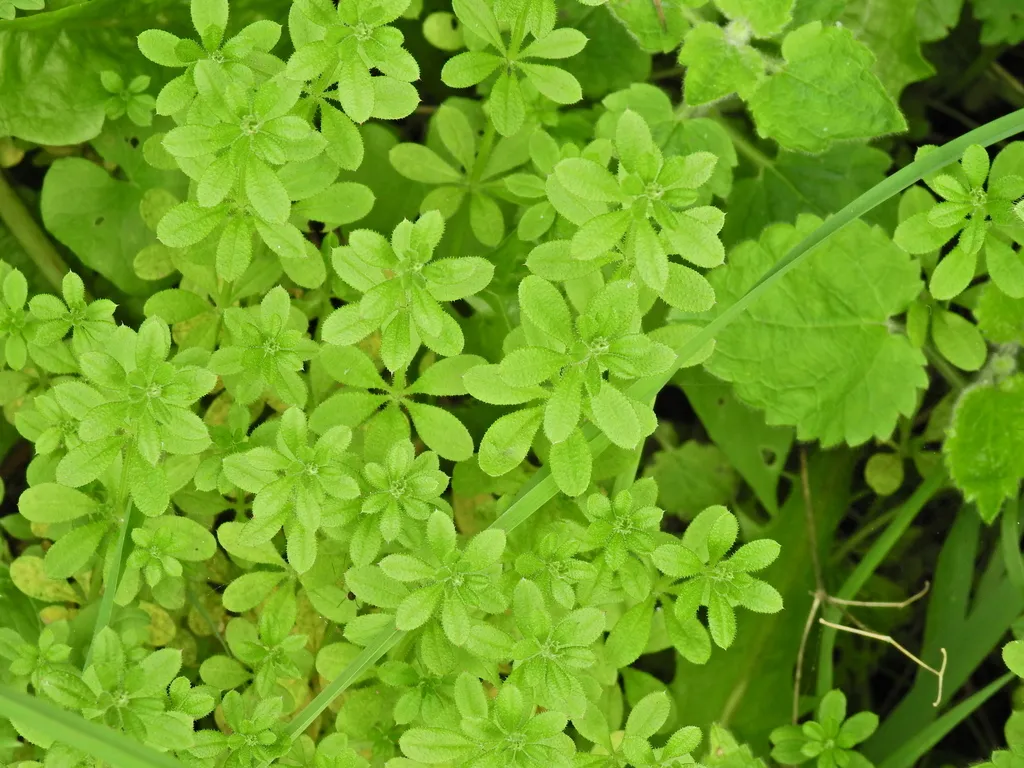
Scientific classification
- Species
- cleavers (Galium aparine)
- Genus
- Galium
- Family
- Rubiaceae
- Order
- Gentianales
- Class
- Magnoliopsida
- Phylum
- Tracheophyta
- Information to be completed
- Toxicity
- Annual Biennial
- Plant type
- 0.1-0.5 metres
- Height
- 1-1.5 metres
- Spread
- Deciduous
- Foliage
- Trailing
- Habit
- Spring · Summer · Autumn
- Season of interest
- Full sun · Partial shade
- Sunlight
- Information to be completed
- Ideal temperature









cleavers pictures
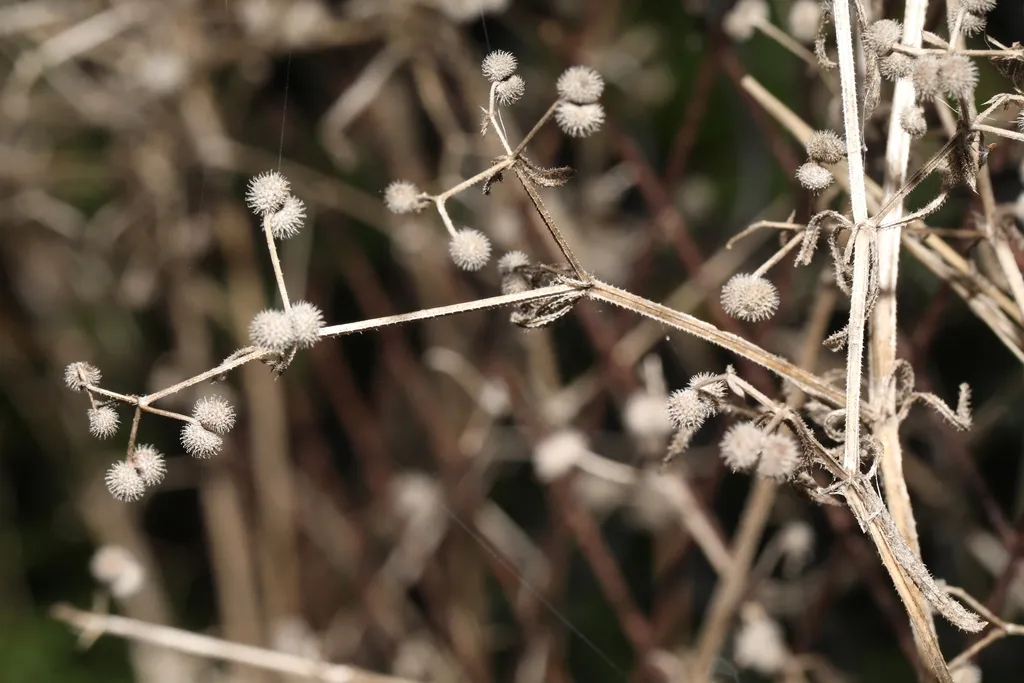
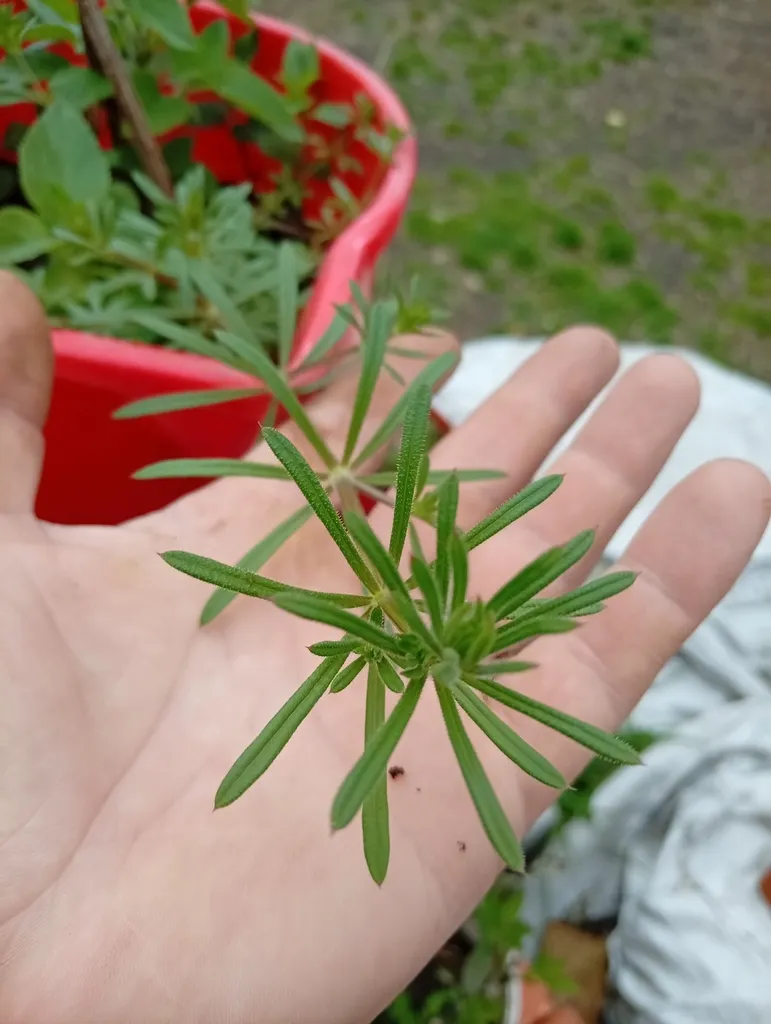
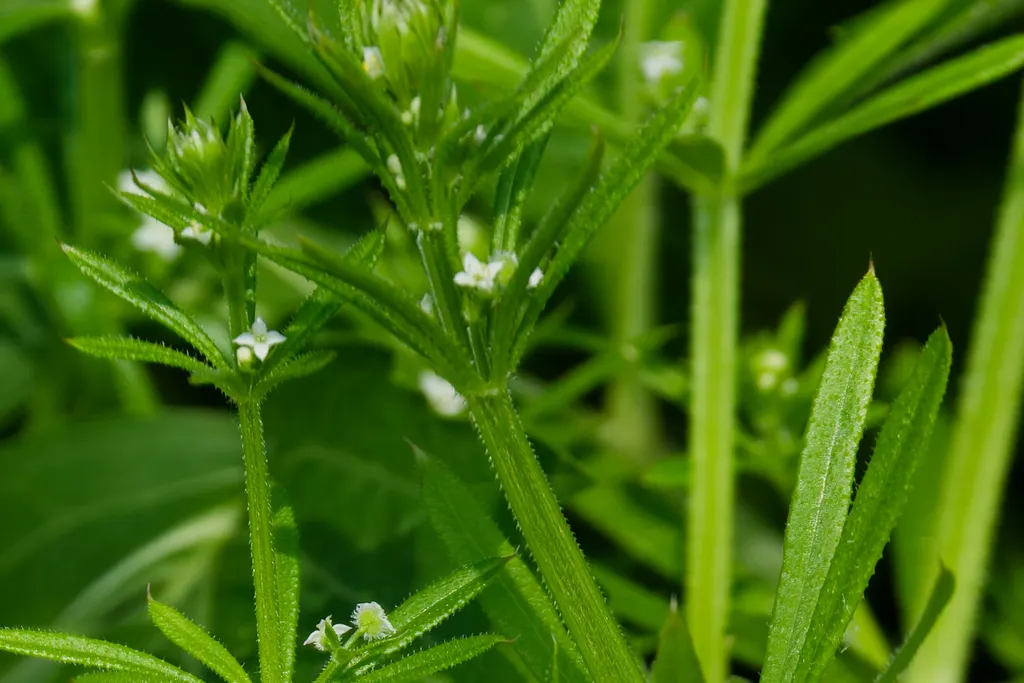
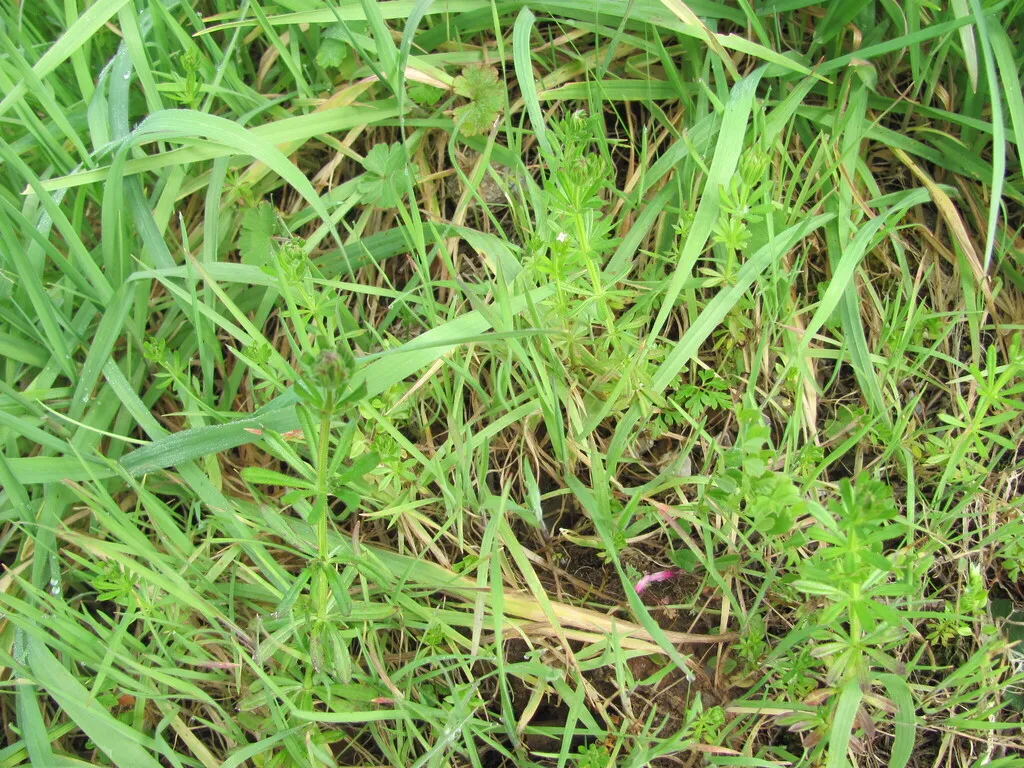
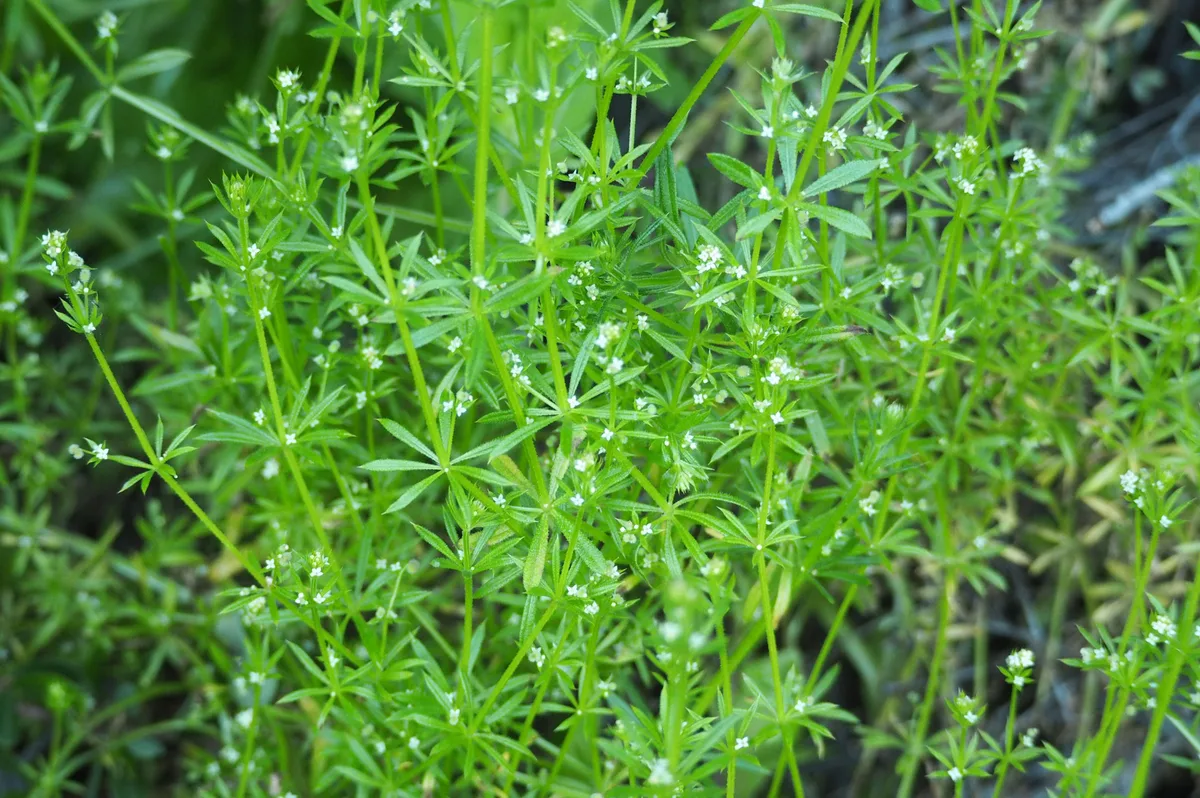
Distribution of cleavers
Distribution map
- Native
- Introduced
- Cultivated
Source:WCVP v16 · Royal Botanic Gardens, Kew · CC BY 3.0 · Boundaries:WGSRPD / TDWG
cleavers care guide
- Moderate regular watering, allowing brief slight drying between soakings
- Watering
- Full sun · Partial shade
- Sunlight

Watering
Moderate regular watering, allowing brief slight drying between soakings
Fertilizing
 Fertilizing
Balanced perennial feed every four weeks from spring through summer
Propagation
 Propagation
Spreads readily by seed and can be invasive in most soil conditions
Growing
 Growing
Grows naturally in open and cultivated ground, hedgerows and scrub and can be a weed in gardens
Common pests and diseases
Diseases
Generally disease free
Pests
Generally pest-free
Explore the plant health library →




