
aubergine
Also known as: badinjan; begoon; bringall; brinjal; brown John; brown jolly; egg plant; raging apple; mad apple
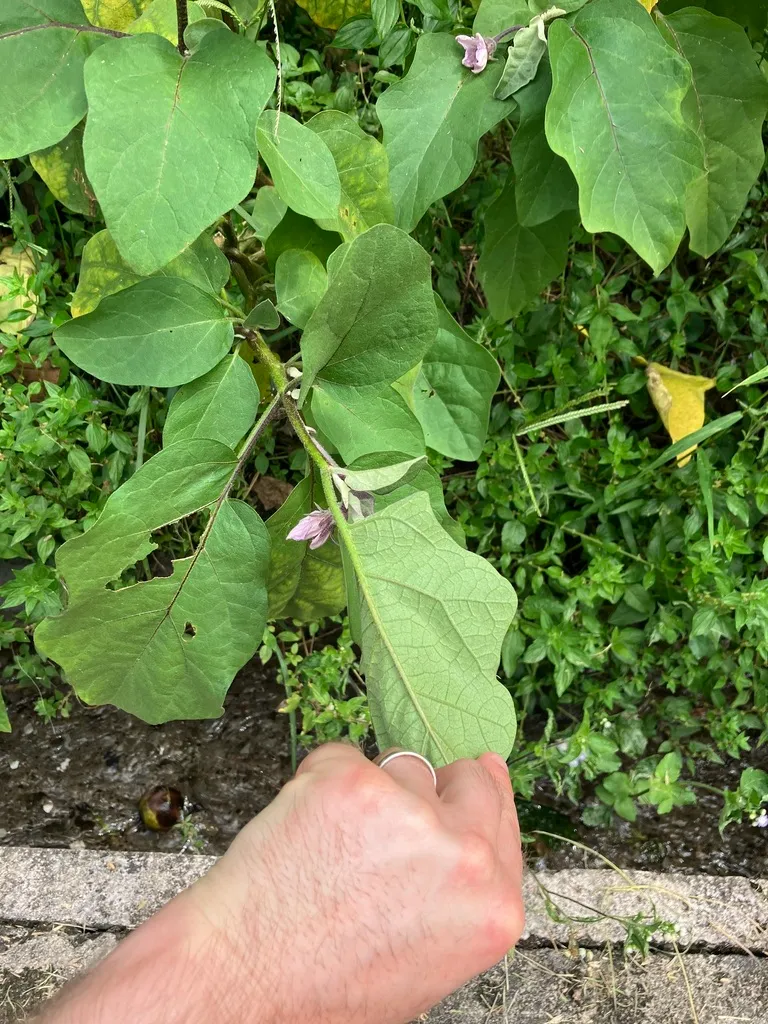
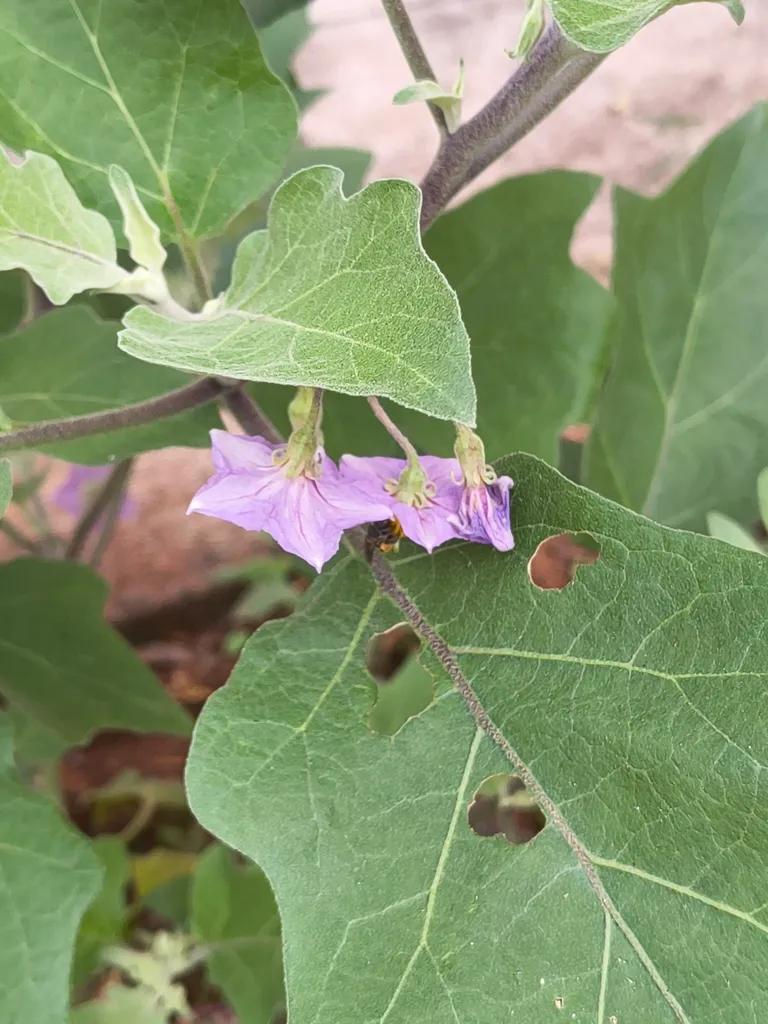
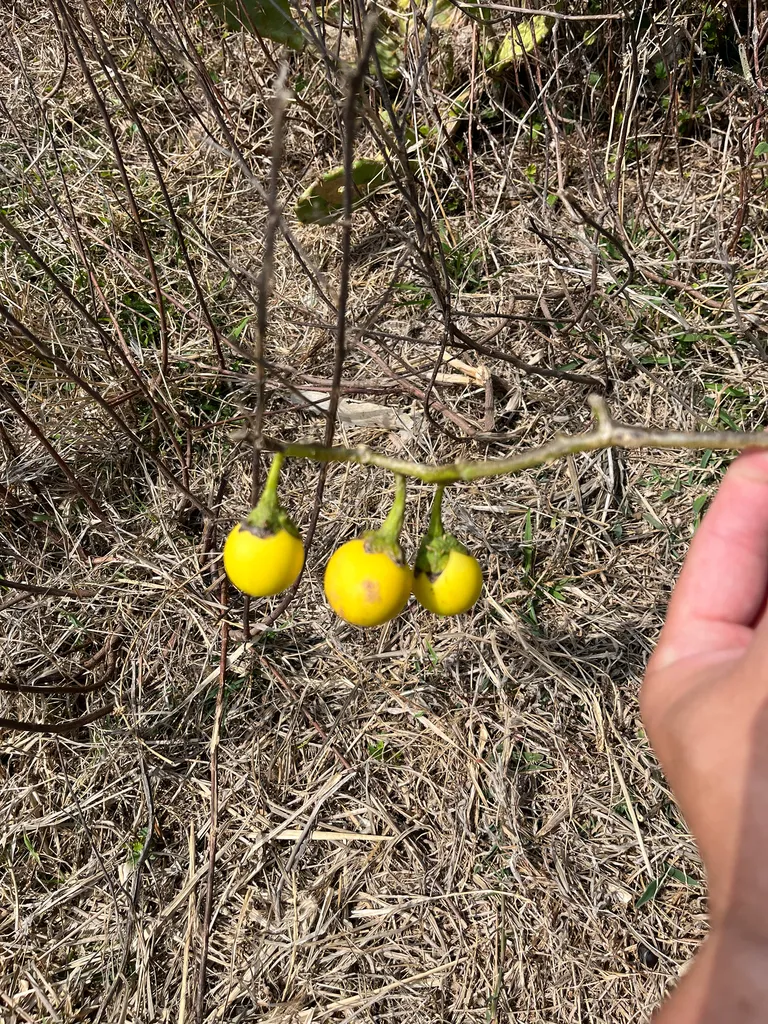
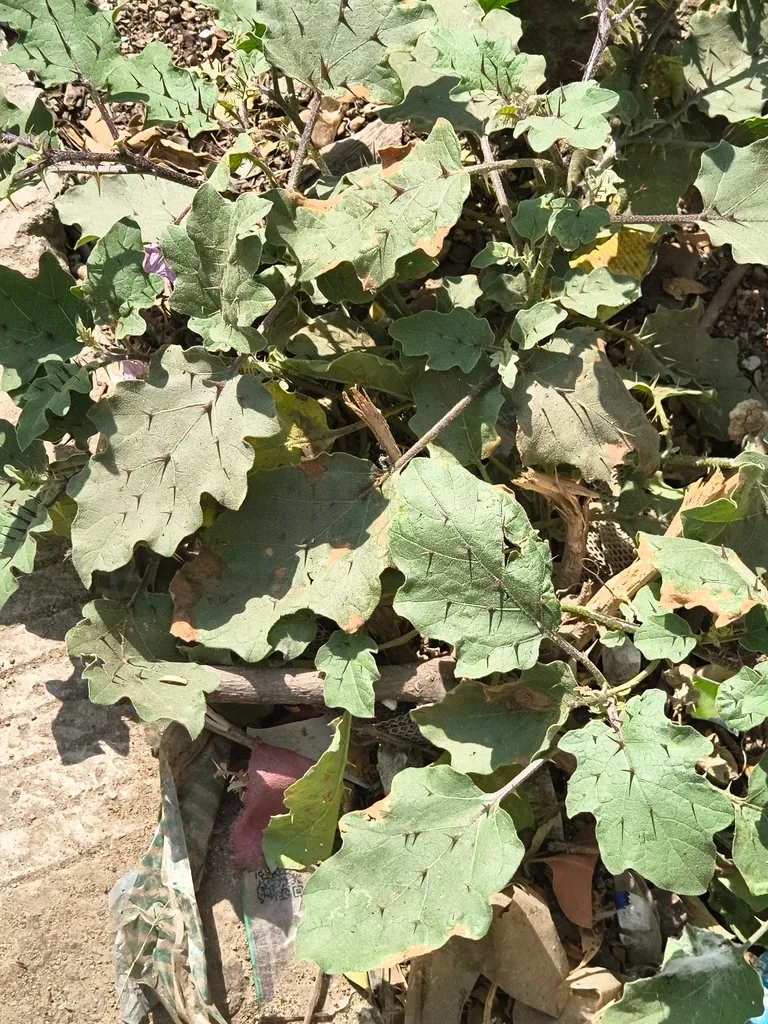
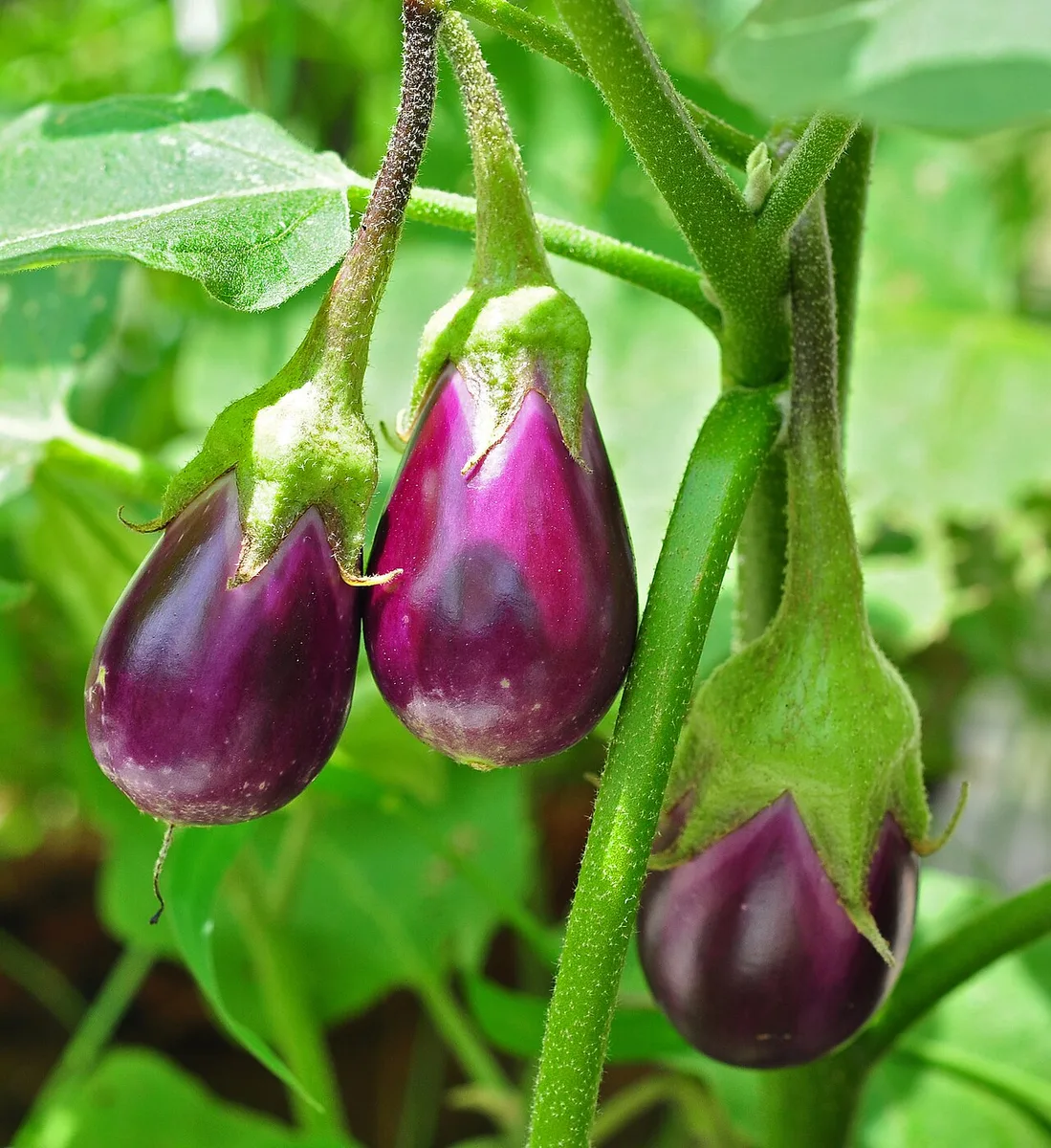
This is the wild species of aubergine from which our cultivated vegetable has been bred. In the wild it is perennial, but in the UK it is treated as an annual as it isn't hardy. It has green leaves and a slightly spiny stem. The flowers are purple and develop into small purple egg-shaped fruits. Many different varieties are available, varying in size, shape and colour
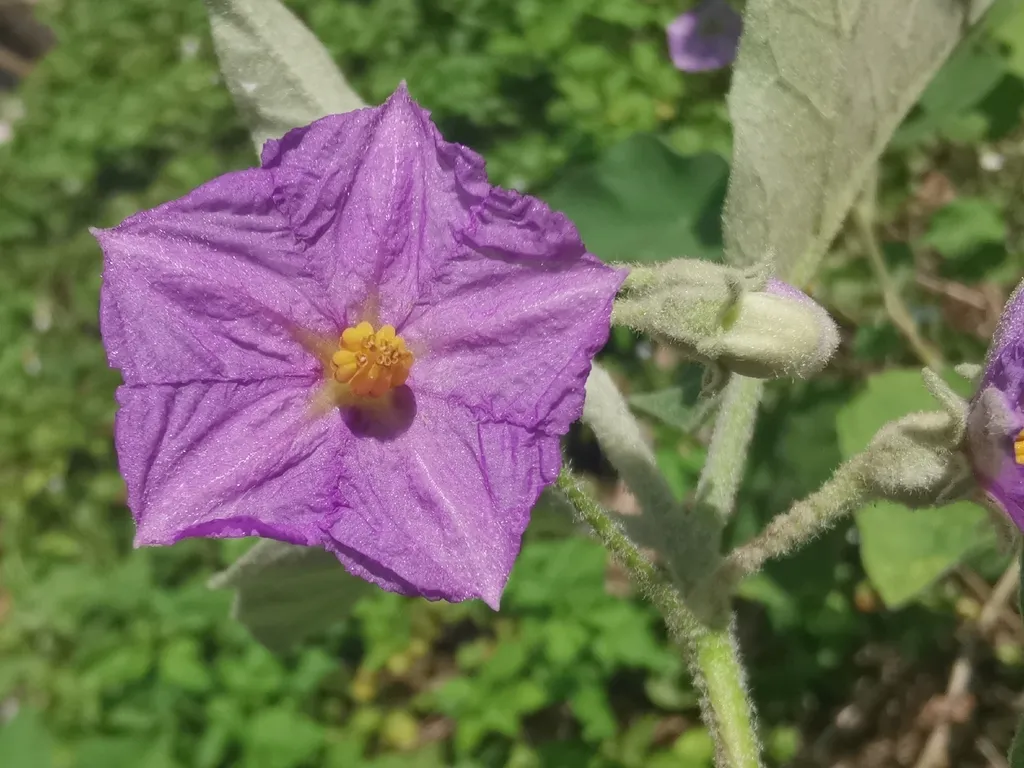
Scientific classification
- Species
- aubergine (Solanum melongena)
- Genus
- Solanum
- Family
- Solanaceae
- Order
- Solanales
- Class
- Magnoliopsida
- Phylum
- Magnoliophyta
- Information to be completed
- Toxicity
- Fruit Edible · Conservatory Greenhouse
- Plant type
- 1-1.5 metres
- Height
- 0.5-1 metres
- Spread
- Evergreen
- Foliage
- Bushy
- Habit
- Spring · Summer · Autumn
- Season of interest
- Full sun
- Sunlight
- 22 – 30 °C
- Ideal temperature









aubergine pictures
aubergine care guide
- Water deeply and regularly, keep soil consistently moist during fruiting.
- Watering
- Full sun
- Sunlight
- 22 – 30 °C
- Ideal temperature

Watering
Water deeply and regularly, keep soil consistently moist during fruiting.
Fertilizing
 Fertilizing
Apply a balanced fertilizer every 3-4 weeks during the growing season.
Pruning
 Pruning
No pruning required
Propagation
 Propagation
Propagate by seed. See sowing vegetable seeds or sowing seeds indoors for further advice
Growing
 Growing
Grow in fertile moisture-retentive soil in good light. Can grow outside in summer. For more advice see aubergine cultivation
Common pests and diseases
Diseases
May be susceptible to honey fungus (rarely)
Pests
May be susceptible to aphids, glasshouse whitefly, glasshouse red spider mite and two-spotted mite
Explore the plant health library →




