
birdseed
Also known as: chickenweed; chickweed; flower of St Macarius; grinsel; simson; groundsel
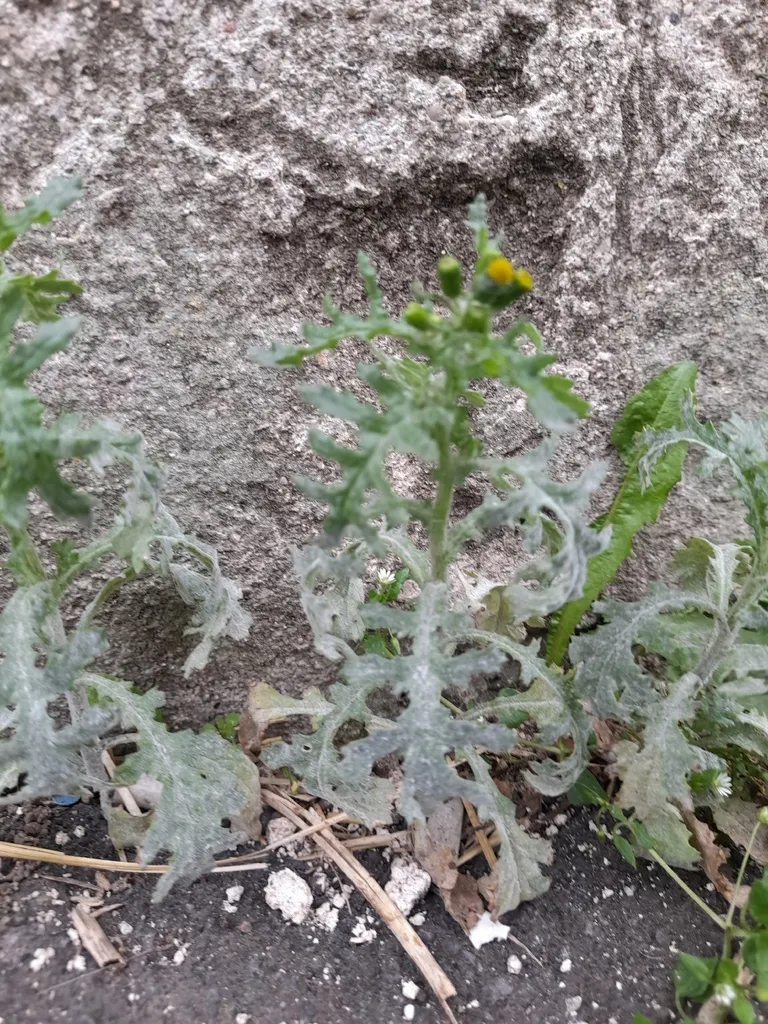
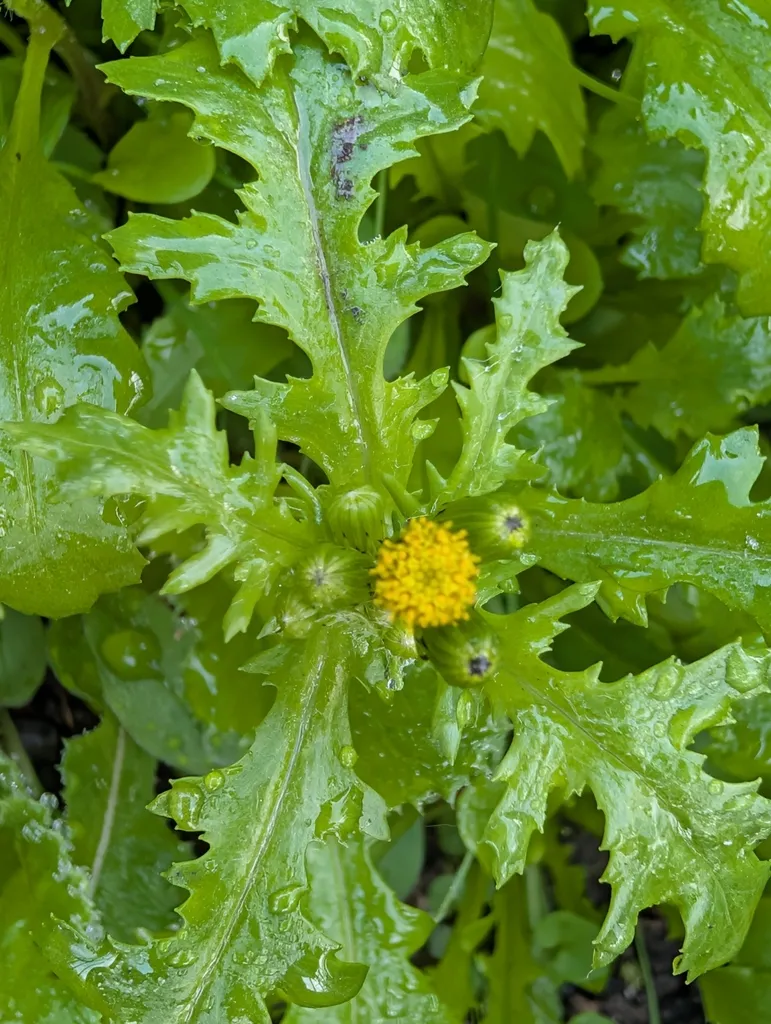
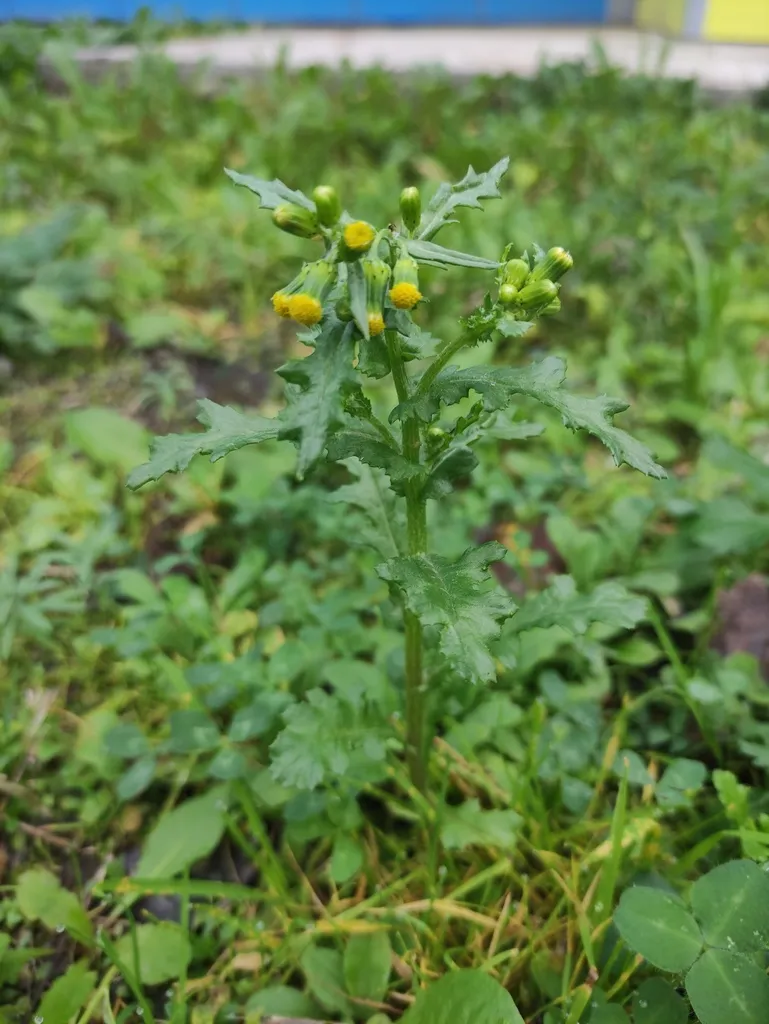
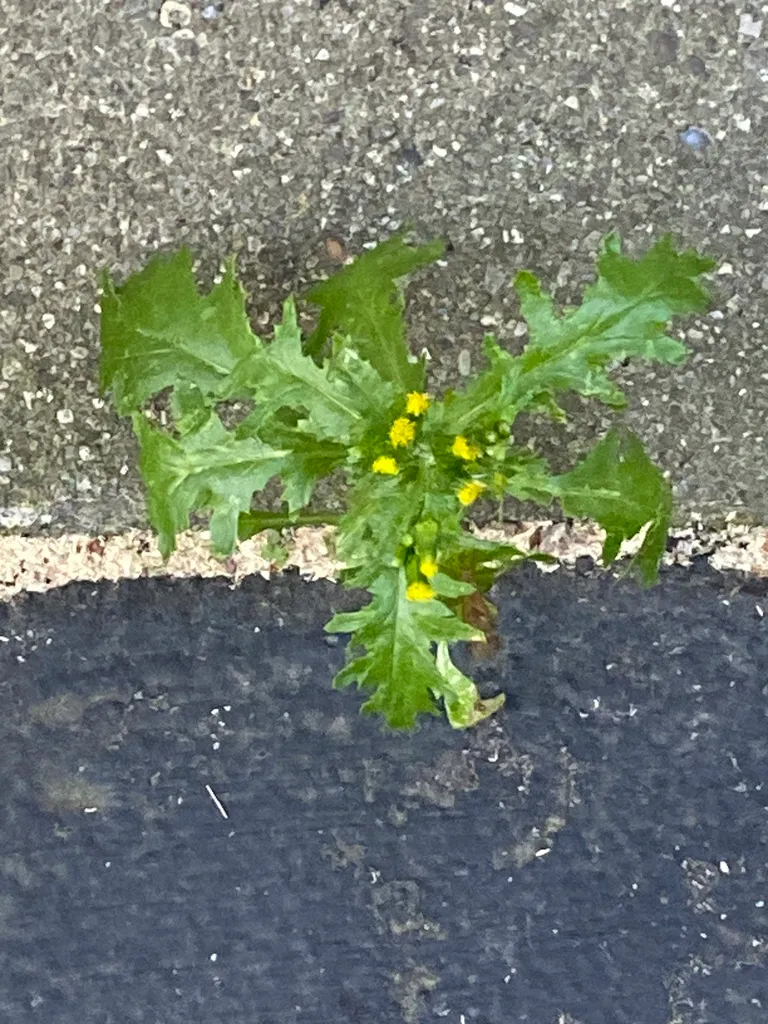
A fast-growing upright annual to 60cm high, with long, deeply lobed leaves growing directly from hollow stems. Produces yellow flowers, mostly hidden by green bracts and resembling a half-opened dandelion. Flowers go on to produce fluffy white seed heads, seeds are prolific and wind-dispersed
Scientific classification
- Species
- birdseed (Senecio vulgaris)
- Genus
- Senecio
- Family
- Asteraceae
- Order
- Asterales
- Class
- Magnoliopsida
- Phylum
- Magnoliophyta
- Information to be completed
- Toxicity
- Annual Biennial
- Plant type
- 0.5-1 metres
- Height
- 0.1-0.5 metres
- Spread
- Deciduous
- Foliage
- Columnar upright
- Habit
- Spring · Summer · Autumn · Winter
- Season of interest
- Full sun
- Sunlight
- Information to be completed
- Ideal temperature









birdseed pictures
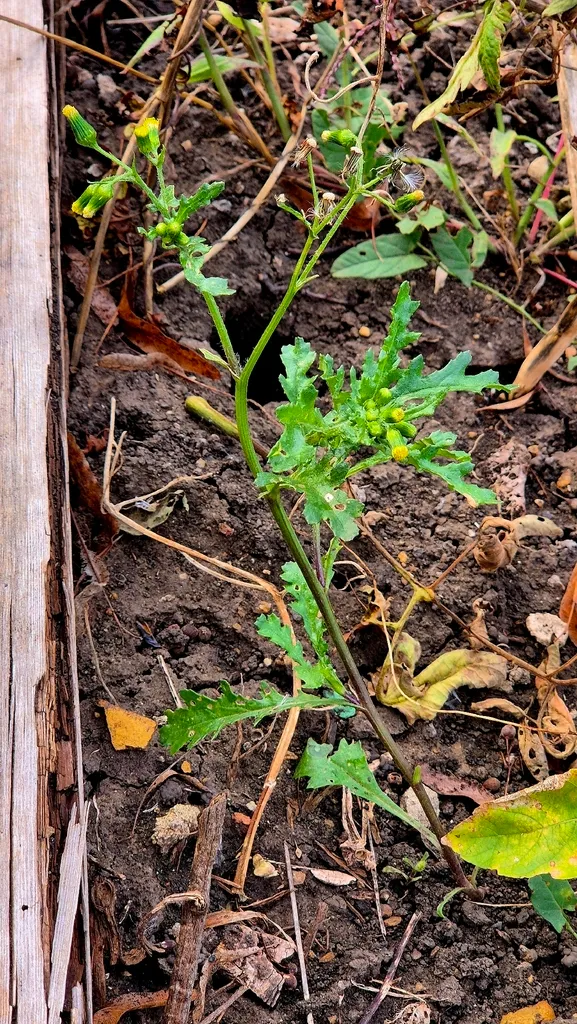
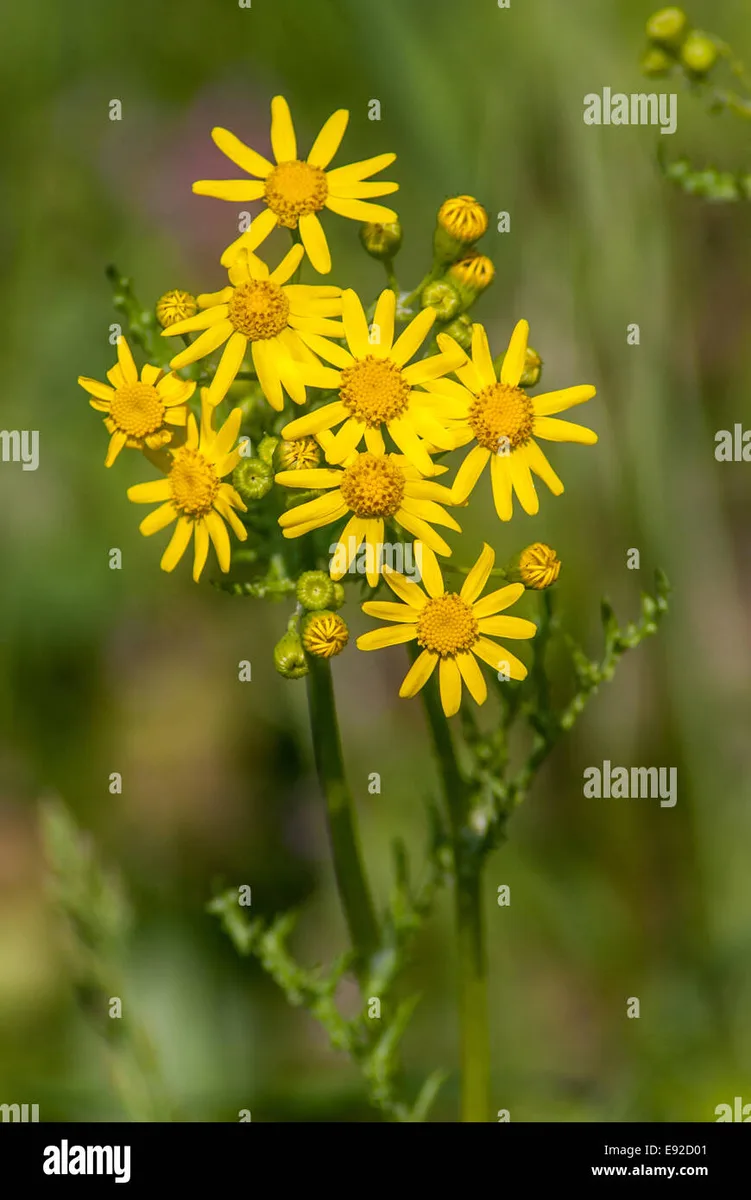
Distribution of birdseed
Distribution map
- Native
- Introduced
- Cultivated
Source:WCVP v16 · Royal Botanic Gardens, Kew · CC BY 3.0 · Boundaries:WGSRPD / TDWG
birdseed care guide
- Moderate regular watering, allowing brief slight drying between soakings
- Watering
- Full sun
- Sunlight

Watering
Moderate regular watering, allowing brief slight drying between soakings
Fertilizing
 Fertilizing
Balanced perennial feed every four weeks from spring through summer
Pruning
 Pruning
Remove before flowering to prevent spreading
Propagation
 Propagation
Propagates by seed, produced prolifically through the year. In optimum conditions, life cycle can be very short, from seed to seed in under six weeks
Growing
 Growing
Most vigorous in moist, fertile soils, but will successfully adapt to a range of growing conditions, though does not grow as well in shade. Spreads rapidly over long distances, generally considered a weed.
Common pests and diseases
Diseases
May be susceptible to a rust and honey fungus
Pests
May be susceptible to mealybugs, scale insects and glasshouse red spider mite
Explore the plant health library →




